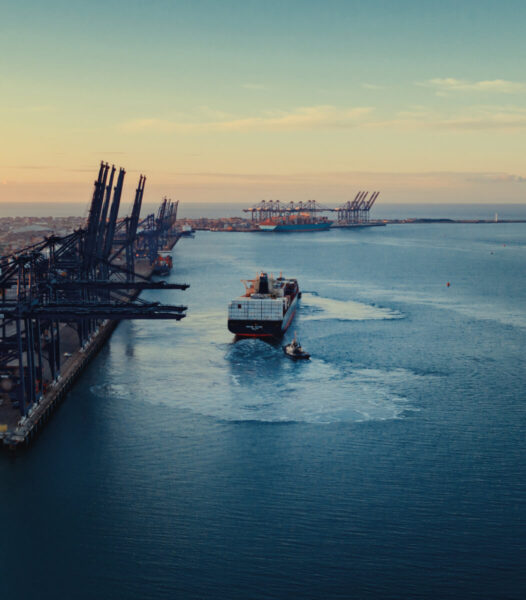
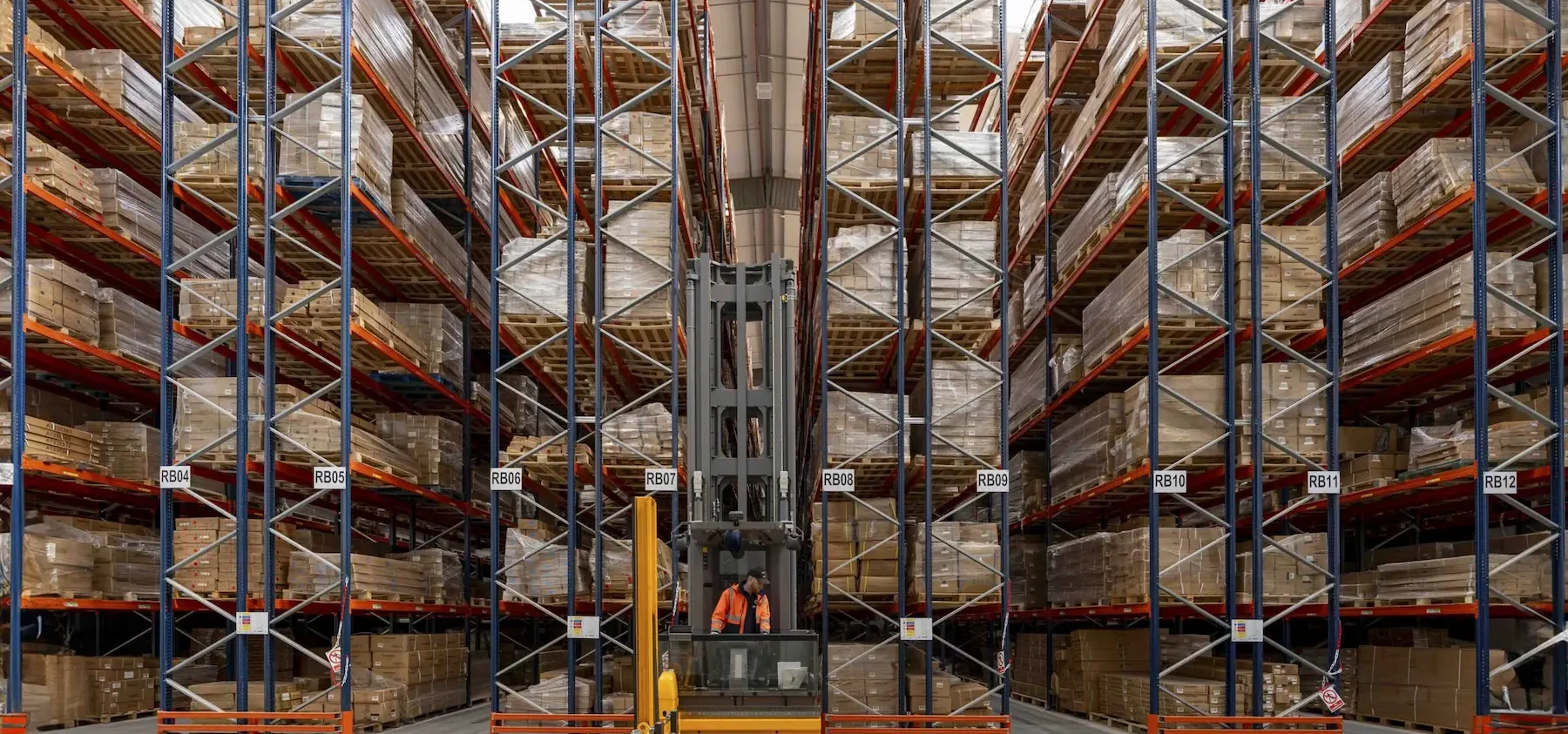
Hemisphere Freight Services port-centric dangerous goods handling warehouse in Suffolk, UK
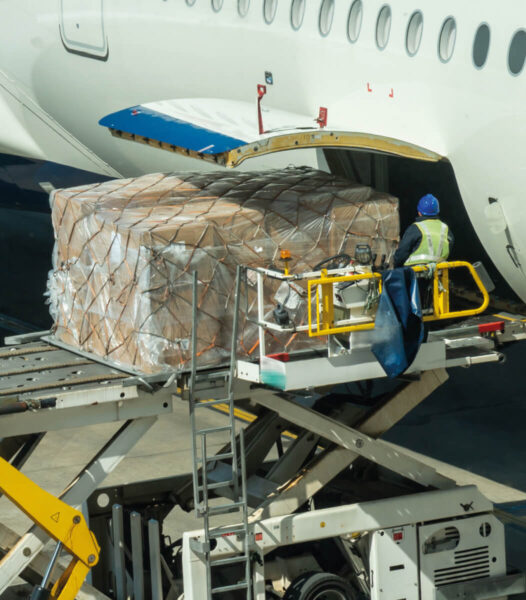
Hemisphere logistics team inspecting dangerous goods documents and manifests
Specialist infrastructure and industrial hazardous project logistics
Multimodal international freight transit for regulated industrial materials
01 / 04
Certified Multimodal Hazmat Logistics · Since the 1990s

gerous Goods Freight Forwarding: How Global Buyers Secure Flawless Compliance, Zero Port Delays, and Risk-Free International Hazmat Transport

Navigating global hazmat supply chains requires uncompromising regulatory precision. As an accredited forwarder with over three decades of specialist freight forwarding experience, Hemisphere Freight Services orchestrates complete Class 1 through Class 9 cargo movements across ocean, air, and road corridors. From safety data sheet (SDS Section 14) audits and UN-certified packaging to multimodal segregation and HMRC customs clearance, we ensure your regulated consignments reach their destinations without carrier turn-aways, punitive demurrage, or safety breaches.

0+

Years of specialist multimodal freight forwarding experience

0 Classes

Full spectrum compliance: Class 1 explosives to Class 9 lithium batteries

0

UK operating facilities covering primary air and maritime hubs

0%

Audited adherence to ISO 9001:2015 and BRCGS AA+ protocols

Trusted by global chemical manufacturers, energy developers, and industrial leaders

  • Hemisphere client corporate partner
  • Industrial cargo client
  • Global logistics client
  • Manufacturing partner
  • Toolport commercial logistics partner
  • Energy sector logistics client
  • TaylorMade international cargo
Service & Solution Matrix

Engineered Solutions for gerous Goods Freight Forwarding

From Class 1 pyrotechnics and military components to Class 9 lithium power assemblies, each consignment demands distinct routing, packaging certification, and carrier approval mechanisms.

IMDG ocean freight container transport
IMO / IMDG

Ocean DG Freight (FCL & LCL)

Rigorous vessel booking pre-approvals, stowage compatibility checks, and container segregation under the International Maritime Dangerous Goods Code. We handle ISO tank containers, standard FCL, and consolidated LCL hazmat lanes through Felixstowe and Liverpool.

IATA dangerous goods air freight handling
ICAO / IATA

Air Hazmat Cargo & Charter

Operating from London Heathrow as one of the UK's premier independent IATA air cargo agents. Comprehensive compliance for Cargo Aircraft Only (CAO), passenger aircraft allowances, Shipper's Declarations, and time-critical medical or prototype hazmat movements.

ADR certified road haulage across UK and Europe
UNECE ADR

ADR Hazardous Road Haulage

Cross-border UK and European full-load (FTL) and groupage (LTL) transport. Every vehicle is fully equipped with orange plates, spill containment systems, and drivers holding valid ADR vocational training certificates for all hazard classes.

UN packaging and custom case making
UN Tested

UN Packaging & Case Making

Certified packaging engineering based at our Westbank engineering hub in the Port of Ipswich. Supply and assembly of 4G/4GV approved boxes, steel drums, vermiculite absorbent barriers, and custom ISPM 15 wooden crates built to withstand international transit stresses.

Market Intelligence

How international procurement directors and chemical sourcing managers are modernizing their hazardous freight procurement to mitigate geopolitical, legal, and operational exposure.

Digital Dangerous Goods Declarations (e-DGD)

Procurement systems are migrating from legacy carbon-copy paperwork to paperless, API-connected e-DGD systems. By synchronizing digital Section 14 SDS data directly into carrier systems and customs platforms, enterprise buyers eliminate transcriptional discrepancies, speed up airline technical gate acceptance, and establish tamper-evident audit trails required under ESG reporting mandates.

IoT Telemetry & Real-Time Condition Sensing

Modern dangerous goods freight forwarding now integrates multi-sensor IoT transponders within ISO tank containers and hazardous dry vans. Real-time telemetry monitoring internal temperature thresholds, vapor pressure buildup, shock impacts, and unauthorized container door breaches provides procurement teams with predictive alerts, forestalling runaway thermal incidents or cargo spoilage before shipments dock.

Port-Centric Bonded Hazmat Staging

To insulate against unpredictable demurrage and detention (D&D) penalties at key entry terminals like Felixstowe and Southampton, smart importers are contracting port-centric customs bonded warehousing. Storing regulated cargo under duty and VAT suspension adjacent to the port gate allows incremental devanning, custom re-labeling, and domestic dispatch in sync with manufacturing runs.

Regulatory Landscape

Global safety enforcement across maritime, aviation, and ground transport continues to tighten. Understanding these macro shifts is critical to maintaining unhindered international distribution.

Detailed analysis of dangerous goods regulatory developments and their operational impacts
Regulatory Dimension Key Statutory Shifts Procurement & Supply Chain Impact Hemisphere Countermeasure
Lithium Battery Mandates (UN 3480 / UN 3481) IATA DGR 65th/66th additions mandate strict 30% State of Charge (SoC) verification, reinforced 3-meter stack testing, and heightened CAO restriction enforcement. Higher air freight spot charges, mandatory UN 38.3 summary certificates, and carrier-specific refusals without verified manufacturer test sheets. Heathrow-based screening, custom 4GV outer pack validation, and dedicated ocean container consolidation lanes for EV and high-density cell shipments.
IMDG Code Maritime Segregation Amended segregation tables for Class 4.1 self-reactive solids and Class 5.2 organic peroxides; stricter container packing certificate (CPC) sign-offs post-vessel fire incidents. Carriers increasingly reject cargo stowage bookings where secondary chemical hazards share container space or adjacent bay-row positions. Pre-booking vessel compatibility reviews by our in-house certified DGSAs, ensuring precise Stowage Category A-D routing before terminal gate-in.
Post-Brexit UK REACH & CDS Audits Divergence between EU CLP/REACH regulations and UK REACH; full digitization under HMRC Customs Declaration Service (CDS) with rigorous chemical commodity classification. Border inspection post holds, non-compliant safety data sheets flagged at inland border facilities, and retroactive customs duties. Direct electronic customs processing with HMRC, ensuring full UK REACH compliance, authorized representative verification, and duty suspension under customs warehousing.
Scope 3 Carbon Tracking in Hazmat Haulage Corporate Sustainability Due Diligence Directive (CSDDD) requiring full lifecycle emissions accounting, including complex hazardous chemical freight miles. Procurement departments must prove environmental stewardship even when transporting high-hazard toxic, corrosive, or flammable commodities. Accredited carbon reporting down to the shipment level, paired with our solar-powered warehouses and low-emission fleet management.
Technical Reference

Comprehensive Class 1 through Class 9 Hazard Breakdown

A precise engineering reference for procurement officers and freight managers verifying hazard classifications, primary risks, and required transport documentation.

Class 1

Explosives

Divisions 1.1 through 1.6: Mass explosion risks to extremely insensitive articles. Requires specialized routing, police escorts, port security clearances, and Net Explosive Mass (NEM/NEQ) calculations.

Class 2

Gases

Flammable (2.1), non-flammable non-toxic (2.2), and toxic gases (2.3). Includes aerosols, cryogenic liquids, and compressed cylinders requiring valve protection and pressure-relief verification.

Class 3

Flammable Liquids

Paints, solvents, adhesives, and hydrocarbons categorized by closed-cup flashpoints into Packing Groups I, II, or III. Critical compliance hinges on flashpoint declaration on DGD documents.

Class 4

Flammable Solids

Flammable solids (4.1), spontaneously combustible substances (4.2), and water-reactive dangerous when wet materials (4.3). Demands strict moisture exclusion and temperature monitoring.

Class 5

Oxidizers & Peroxides

Oxidizing substances (5.1) and organic peroxides (5.2). Highly reactive chemicals capable of intensifying fires; requires strict segregation from Class 3 combustibles and heavy organic materials.

Class 6

Toxic & Infectious

Toxic substances (6.1) capable of causing death or serious injury, and infectious substances (6.2) including medical biological specimens. Requires airtight UN-rated containment barriers.

Class 7

Radioactive Material

Industrial isotopes and radiography instrumentation. Governed by transport index (TI) calculations, radiation surface level monitoring, and specialized Type A or Type B packaging certificates.

Class 8

Corrosives

Acids, battery fluid, and alkaline solutions that inflict full-thickness destruction of intact human skin tissue or corrosive damage to metal transport vehicles. Strict segregated stowage required.

Shipping Class 9 Miscellaneous Dangerous Goods or Lithium Batteries?

Class 9 includes lithium-ion batteries (UN 3480/3481), genetically modified organisms, and environmentally hazardous substances. Talk to our certified DGSA specialists to confirm compliant shipping declarations.

Contact Us
Hemisphere operations center managing dangerous goods shipments
Enterprise Advantage

Why Global Supply Chain Leaders Rely on Hemisphere

For more than 30 years, Hemisphere Freight Services has replaced logistics fragmentation with single-source accountability. We don't hand off your hazardous consignment to unvetted subcontractors; our in-house compliance managers, customs brokers, and cargo specialists handle each critical phase directly.

  • Strategic Port-Centric Infrastructure: Warehousing and devanning sites directly beside the Port of Felixstowe, Port of Ipswich, Liverpool, and London Heathrow, eliminating costly inland transit links.
  • Triple Quality Audits: Certified ISO 9001:2015 quality processes, elite BRCGS AA+ storage standards, and top-tier IATA cargo agent ranking ensuring total chain-of-custody transparency.
  • In-House DGSA & Customs Brokerage: Complete electronic declarations submitted via CDS directly to HMRC, resolving tariff complexities and chemical quotas without delay.
  • Net Zero Sustainability Leadership: Carbon-neutral operations achieved 5 years ahead of the UK's 2030 benchmark, offering detailed Scope 3 emission audits for all hazardous freight.
Proven Execution

Complex Logistics & Regulated Freight Case Studies

Explore all case studies
Hinkley Point C project logistics execution
Hinkley Point C · Infrastructure Logistics

Heavy infrastructure transport and critical deliveries

Coordinating oversize high-voltage pylon components across complex national road corridors with precision police escorts and zero site disruptions.

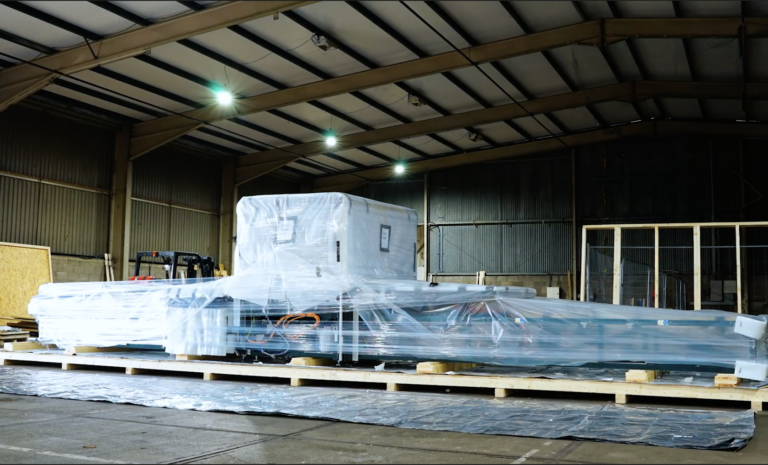
Export packing and industrial crating
Inca Digital · Technical Export Packing

High-value sensitive machinery packing & shipment

Custom-engineered timber crates with specialized barrier foil sealing and desiccant packing to protect sensitive components against harsh ocean conditions.

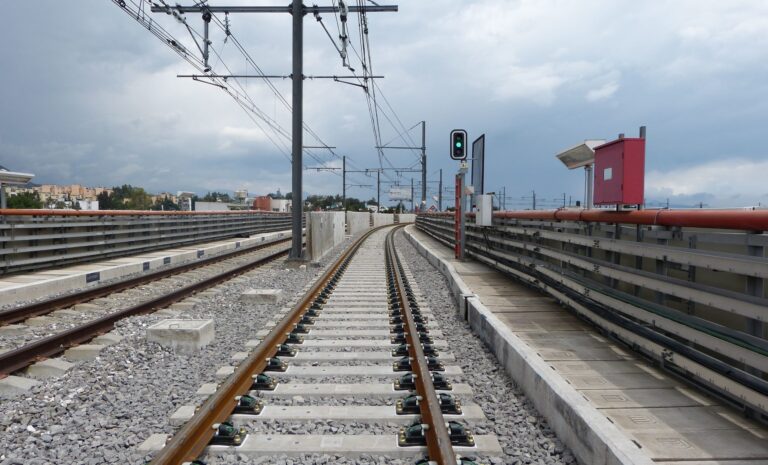
Pandrol ocean freight transit for Mexico City Metro
Pandrol · Global Ocean Freight

Multimodal infrastructure delivery under strict schedules

Managing the international ocean transit of specialized rail assemblies for Mexico City Metro, ensuring synchronized factory-to-port scheduling.

Expert Procurement Q&A

Frequently Asked Questions: gerous Goods Freight Forwarding

Detailed compliance, regulatory, and documentation answers to the exact questions global sourcing and procurement teams query most frequently.

What essential documentation is mandatory before booking gerous goods freight forwarding?

Every dangerous goods consignment requires an up-to-date, 16-section Safety Data Sheet (SDS) compliant with GHS regulations, along with an official Dangerous Goods Declaration (DGD). For maritime shipping, a Multimodal Dangerous Goods Form (MDGF) is mandatory; for air transport, an IATA Shipper's Declaration for Dangerous Goods signed by certified personnel is required. In addition, UN packaging test certificates, transport emergency cards (TREMCARDs for ADR road), and commercial invoices stating correct UN numbers, Proper Shipping Names (PSN), Class/Division, and Packing Groups must be validated before carrier release.

How does Hemisphere navigate strict airline and maritime carrier dangerous goods embargos?

Hemisphere leverages 30+ years of direct carrier relationships and tier-1 status at key gateways such as London Heathrow and Port of Felixstowe. We maintain direct pre-approval channels with major ocean vessel operators and commercial cargo airlines, validating cargo compatibility, segregation restrictions, net explosive quantities (NEQ), and state/operator variations prior to terminal gate-in, eliminating costly rejected lodgements.

What are the compliance differences between Packing Groups I, II, and III?

Packing Groups define the degree of danger inherent to hazardous substances. Packing Group I represents high danger, Group II represents medium danger, and Group III indicates minor danger. UN packaging must be engineered, drop-tested, and hydrostatically verified to correspond with these ratings (coded X for PG I-III, Y for PG II-III, and Z for PG III only). Our certified packing specialists ensure outer receptacles, inner liners, and absorbent barriers strictly adhere to these criteria.

Can Hemisphere handle standalone Class 9 Lithium-ion batteries (UN 3480) for ocean and air forwarding?

Yes. Our team specializes in Section IA, IB, and Section II lithium battery logistics. Under current IATA DGR and IMDG requirements, UN 3480 cells and battery packs must comply with the UN Manual of Tests and Criteria 38.3, state of charge (SoC) restrictions under 30%, dedicated Cargo Aircraft Only (CAO) documentation, and temperature-monitored seafreight reefer or dry container segregation.

How are customs clearance and duty payments managed for hazardous shipments entering the UK?

Our in-house customs brokerage team directly clears dangerous goods through HMRC systems (CDS), ensuring correct tariff classification, environmental levies, and licensing requirements (e.g., dual-use chemicals, REACH regulations, and export controls) are fulfilled. For high-value, slow-moving, or bonded chemical stocks, clients can utilize our secure customs-bonded facilities to defer duty and import VAT until release.

Who holds legal responsibility for the accuracy of a Shipper's Declaration for Dangerous Goods?

Under international statutory law (ICAO/IATA, IMO IMDG, and ADR), the legal shipper of record bears primary legal liability for accurate chemical identification, proper classification, packaging integrity, and signed hazard declarations. However, Hemisphere's accredited Dangerous Goods Safety Advisors (DGSAs) act as your frontline risk filter, auditing every line item, packaging mark, and hazard placard before cargo tender to prevent catastrophic carrier fines or criminal liability.

Can multiple hazardous products with different UN numbers be consolidated into a single container?

Consolidation is permissible provided the substances comply fully with the IMDG Code Segregation Table (Chapter 7.2) or ADR mixed-loading rules. Incompatible chemicals—such as Class 3 flammables and Class 5.1 strong oxidizers, or Class 8 acids and cyanides—must never be co-loaded due to violent exothermic or toxic gas reaction hazards. Our automated compliance systems verify compatibility matrices before assigning container space.

Secure Compliant, Reliable gerous Goods Freight Forwarding Today

Connect immediately with our certified Dangerous Goods Safety Advisors and senior freight directors. We will analyze your Safety Data Sheets, engineer custom packaging, and secure guaranteed multimodal capacity for your critical hazardous supply chain.