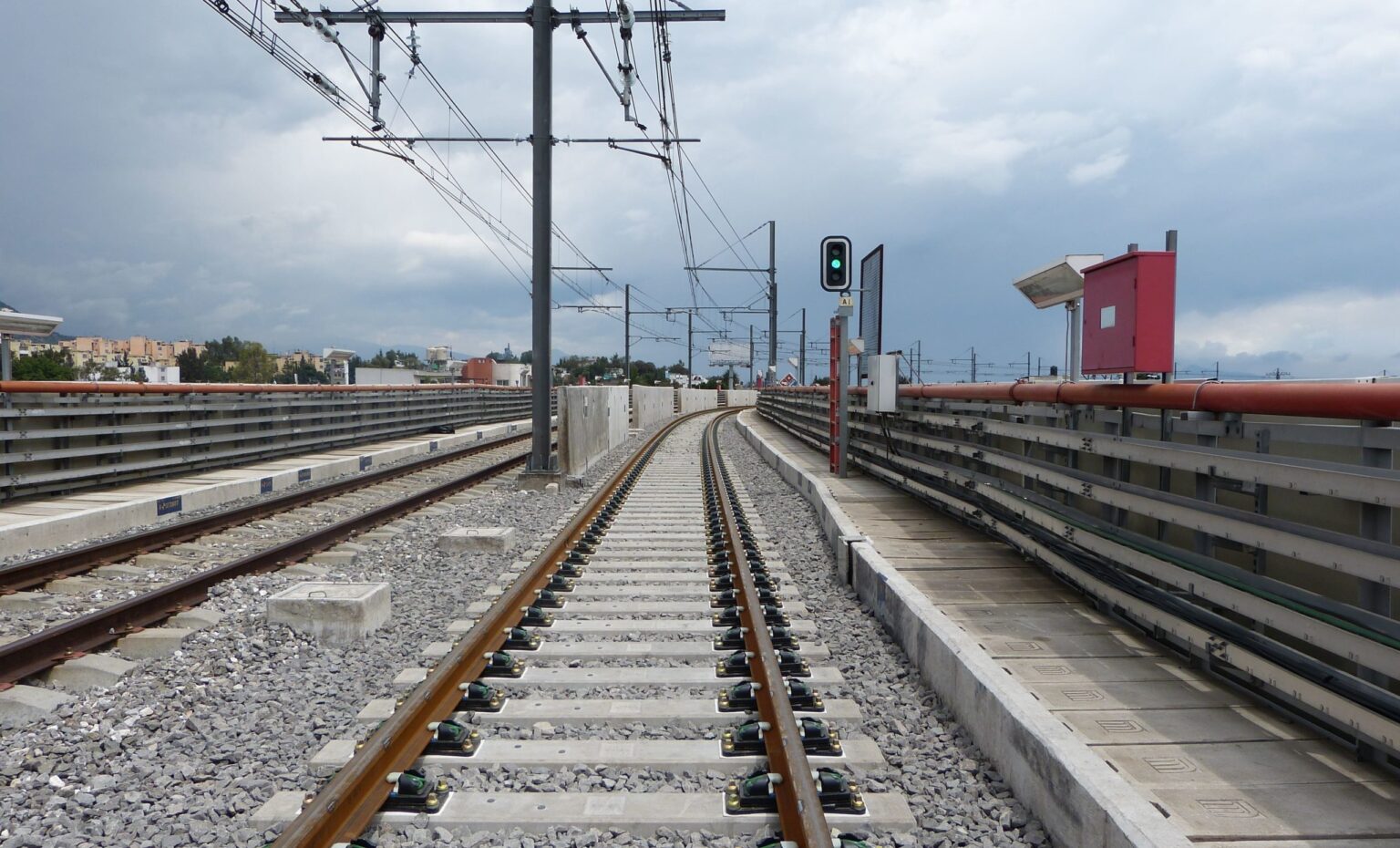
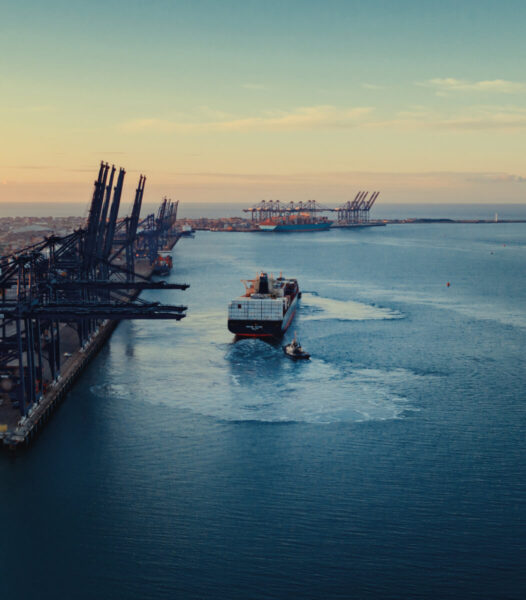
Container vessel operations handled by Hemisphere Freight Services
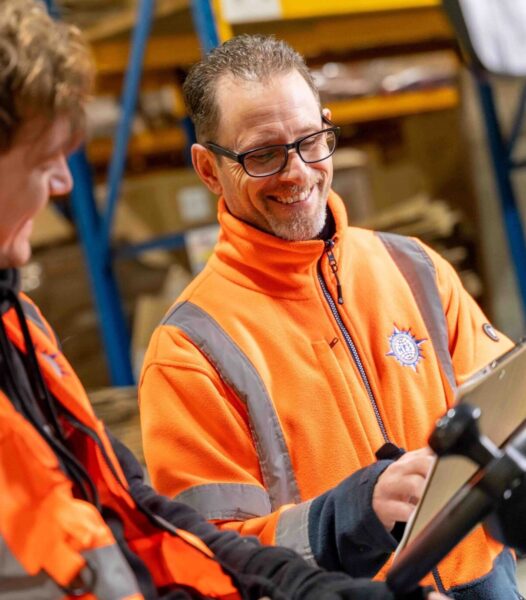
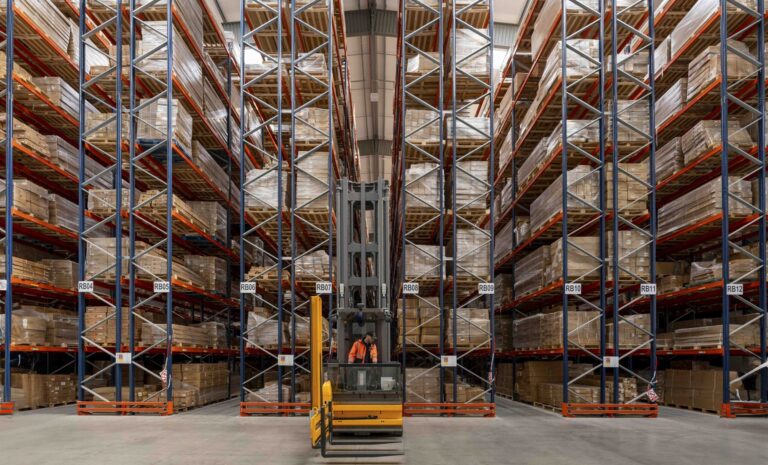
Port-centric ocean freight bonded warehouse near Port of Felixstowe
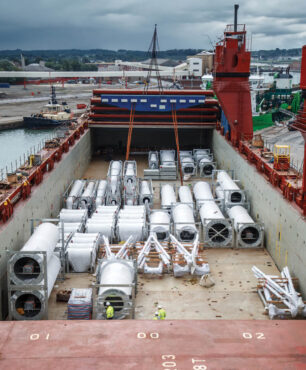
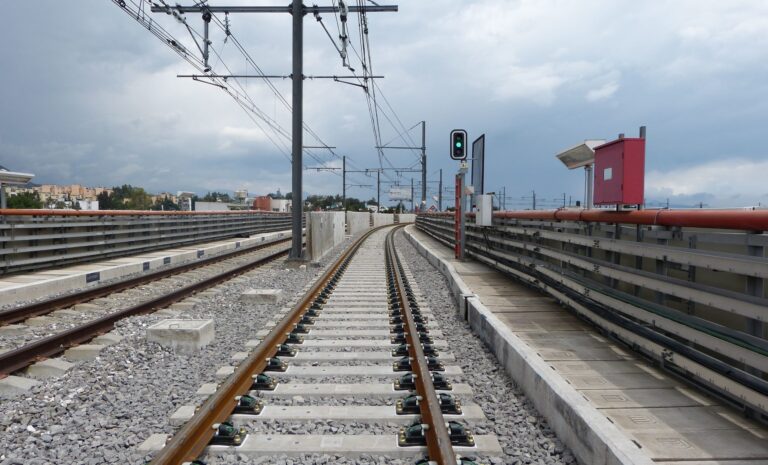
Heavy rail equipment ocean transport chartered by Hemisphere Freight
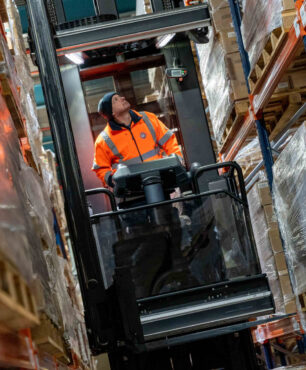
Ocean cargo devanning and inland transit operations
01 / 04
Enterprise Sea Logistics & Strategic Maritime Freight

Ocean Freight Forwarding: How Can Global Buyers Optimize Maritime Costs, Mitigate Port Chokepoints, and Secure Reliable Container Capacity?

Navigating modern maritime shipping demands far more than booking carrier container slots. As international procurement directors, supply chain leaders, and global logistics buyers contend with Red Sea transit bypasses, escalating FuelEU emissions levies, fluctuating spot rates, and severe terminal congestion, selecting the right ocean freight forwarding partner determines enterprise profitability.

With over three decades of port-centric heritage anchored beside the UK’s primary maritime gate at Felixstowe and the Port of Ipswich, Hemisphere Freight Services delivers verified information gain, multi-carrier contract flexibility, and seamless door-to-door execution. We combine global shipping volume contracts with in-house customs declarations, port-centric devanning, and bonded warehousing to eliminate redundant demurrage charges, compress inland transit legs, and future-proof international ocean logistics against geopolitical volatility.

0+

Years optimizing global maritime and intermodal shipping

0

Strategic UK port, airport, and inland logistics hubs

0+

Consecutive years of logistics partnership with major retailers

0 yrs

Carbon neutrality achieved ahead of national targets

Trusted by global industrial manufacturers, retailers, and high-volume importers

  • Hemisphere ocean shipping partner
  • Global logistics client
  • International supply chain partner
  • Procurement shipping client
  • Toolport commercial partnership
  • Industrial equipment partner
  • TaylorMade cargo shipping
Strategic Capabilities

Recommended Ocean Freight Forwarding Services for Global Importers

From spot container bookings to dedicated maritime contract management, we engineer high-resilience ocean freight solutions matched to your exact volume density, cargo sensitivity, and schedule velocity.

Full Container Load Ocean Freight shipping
FCL Services

Full Container Load (FCL) Solutions

High-volume contract capacity utilizing 20ft, 40ft GP, and 40ft High Cube containers. Features guaranteed carrier space allocation, multi-shipping line index matching, and direct liner bookings across transpacific, transatlantic, and Far East-Westbound shipping lanes.

Get a Quote
Less than Container Load LCL consolidation warehouse
LCL Consolidation

Less Than Container Load (LCL) Hubs

Dedicated buyer consolidation services designed for smaller parcel runs and split-supplier purchase orders. Goods are consolidated at regional origin container freight stations (CFS), devanned port-side in our Felixstowe/Ipswich facilities, eliminating third-party co-loader markups.

Get a Quote
Out of gauge maritime project chartering
Project Cargo

Breakbulk & Maritime Chartering

Heavy-lift, abnormal load, and out-of-gauge (OOG) ocean transport using flat racks, open tops, and heavy vessel chartering. Fully supported by marine surveyor stability calculations, cradle fabrications, and quay-side lifting operations at the Port of Ipswich.

Get a Quote
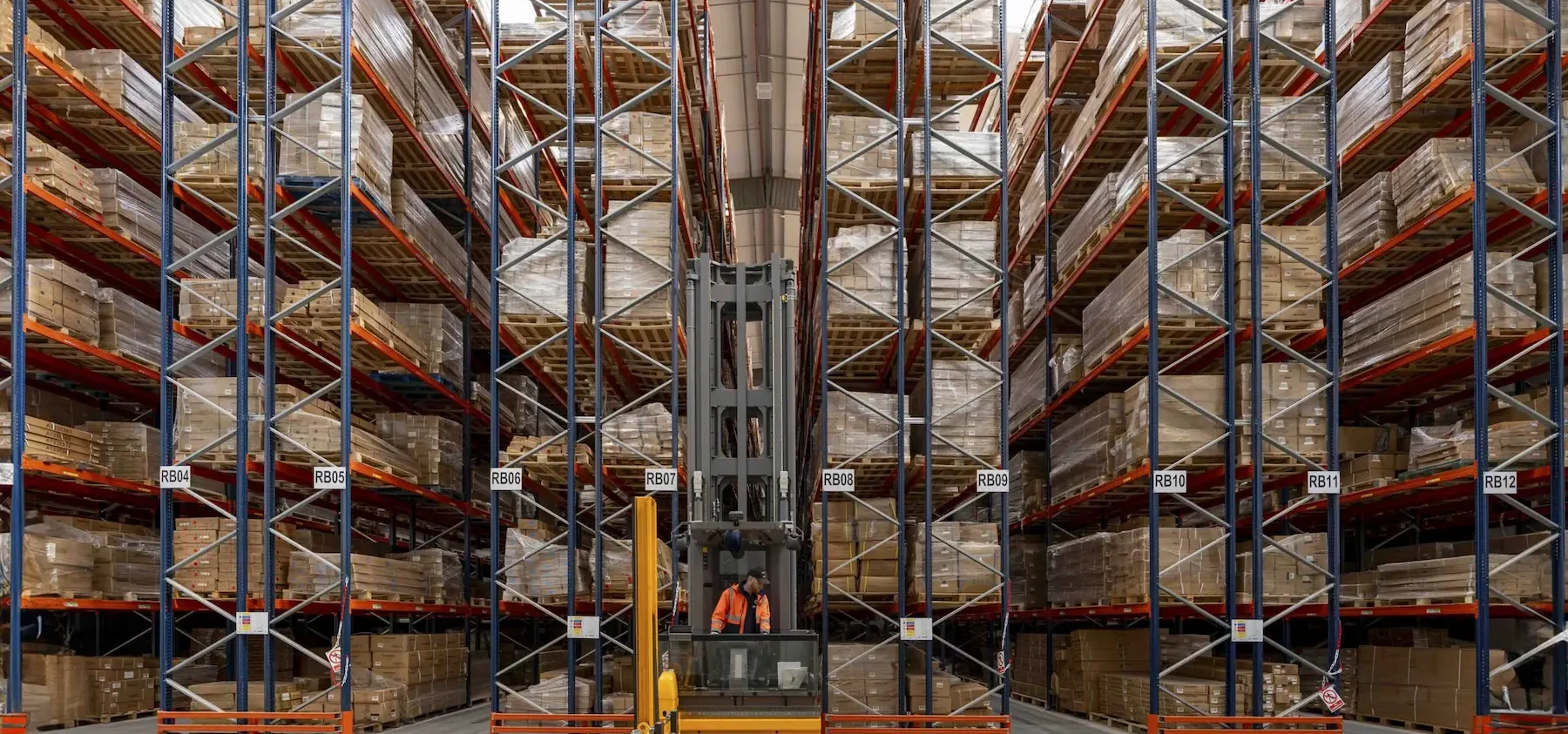
Port-centric ocean freight bonded warehousing
Port-Centric 3PL

Bonded Port Devanning & Storage

Direct port-to-warehouse drayage from Felixstowe berths to our HMRC-authorized bonded warehousing complexes. Defer import VAT and tariffs, avoid costly line demurrage and detention charges, and release cargo dynamically according to production quotas.

Get a Quote
Hemisphere ocean freight operations team coordinating vessel discharge
Enterprise Competitive Edge

Why Leading Global Brands Choose Hemisphere for Ocean Freight

Unlike non-asset digital booking intermediaries that resell third-party rates with zero physical handling capacity, Hemisphere Freight Services is an established physical operator and British logistics authority. For more than 30 years, we have controlled our own UK handling yards, bonded warehouses, haulage fleets, and customs brokerages, directly managing the cargo journey at every maritime interchange.

  • Port-Centric Infrastructure: Strategically situated right at Felixstowe, Port One, and the Port of Ipswich, removing hundreds of inland transport miles and preventing destructive terminal storage penalties.
  • Direct Liners & NVOCC Volume Leverage: Direct service contracts across all three maritime carrier alliances, guaranteeing container allocations even during blank-sailings and peak demand seasons.
  • Comprehensive Quality & Safety Compliance: Accredited with ISO 9001:2015, BRCGS AA+ Storage and Distribution, and verified carbon-neutral maritime operations five years ahead of the UK target.
Market Intelligence

Procurement executives must evolve beyond static quarterly tenders. Understand the macro developments, digital revolutions, and environmental mandates impacting your landed cost matrix.

Algorithmic Routing & AI Predictive Telemetry

Modern ocean freight forwarding has transitioned from retroactive milestone updates to AI-powered predictive transit orchestration. Leading forwarders synthesize live AIS satellite ship positions, canal transits, berth productivity indexes, and weather simulations to forecast container ETA deviations up to 14 days before vessel berthing. This intelligence empowers procurement teams to reroute safety stock and prevent manufacturing assembly downtime.

Decarbonization, ETS & FuelEU Compliance

The maritime regulatory framework is tightening. With the EU Emissions Trading System (ETS) including ocean shipping and FuelEU Maritime enacting severe financial penalties on fossil marine bunkering, ocean shipping costs will structurally correlate with carbon density. Importers now actively demand carbon-audited transport, bio-methane/methanol bunkering allocations, and solar-operated inland devanning to avoid impending cross-border carbon border taxes (CBAM).

Nearshoring & "China Plus One" Multi-Hub Procurement

Supply chain resilience strategies have permanently fragmented linear transpacific and Asia-to-Europe trade lanes. Enterprise buyers are diversifying manufacturing sourcing across Vietnam, India, Indonesia, and Mexico. This demands an agile ocean freight forwarder capable of orchestrating complex buyer consolidations across emerging regional hubs, navigating bilateral free trade agreements, and managing fragmented regional transit documentation seamlessly.

Strategic Sourcing Guide

Global Ocean Freight Procurement: Matrix of Key Commercial Considerations

Optimize your maritime purchasing contracts by evaluating cost models, demurrage exposures, and service agreements before issuing purchase orders.

Procurement Strategy Comparison for Ocean Freight Forwarding
Procurement Dimension Conventional Spot Market Strategic Long-Term Contract Hemisphere Integrated Solution Procurement Action
Container Allocation Low guarantee; severe risk of rollovers during peak season crunches. Fixed volume commitment (MQC); penalties applied if minimum thresholds missed. Guaranteed Allocation Indexed multi-carrier allotment with built-in seasonal buffer flexibility. Lock Rates
Demurrage & Detention Risk Strict standard 3–5 free quay days; immediate, compounding penalty fines. Negotiated 7–10 days carrier detention; still prone to port labor bottlenecks. Zero Demurrage Model Immediate transfer to owned port-adjacent bonded yard; unlimited staging time. Consult Team
Rate Structure & Surcharges Unbundled: volatile BAF, CAF, GRI, PSS, and destination terminal add-ons. All-in bunker formulas; can miss rapid market spot downturns. Transparent Pricing Fully transparent line-item pricing with real-time fuel index matching. Request Breakdown
Customs & Duty Integration Handled by third-party broker; frequent clearance hold-ups on port docks. Brokerage disconnected from liner transport updates, causing communication gaps. Fully In-House Brokerage Pre-cleared before vessel pilotage; linked directly into CDS and bonded storage. Review Compliance
ESG Scope 3 Accounting Estimated post-shipment estimates with unverified third-party calculators. Quarterly generic vessel fleet emissions averages without shipment validation. Audited Carbon Reporting ISO-aligned container-level carbon reporting; carbon-neutral operations. Audit Emissions
Proven Maritime Track Record

Real-World Case Studies in Ocean Freight Excellence

Explore All Logistics Cases
Pandrol Mexico City Metro ocean charter logistics
Pandrol · Ocean Freight & Engineering

Supplying Mexico City Metro With Heavy Rail Track

Coordinated the complex multi-vessel ocean movement of prefabricated rail track infrastructure for one of the planet's busiest underground rail networks, meeting non-negotiable transit timelines.

Toolport inbound ocean container handling and distribution
Toolport · Port Devanning & 3PL

Scaling Rapid Inbound Container Devanning Operations

Eliminated high demurrage surcharges and expedited UK customer deliveries for Toolport by implementing direct container haulage to port-centric bonded warehouses with immediate devanning.

Hinkley Point C project logistics and ocean movement
Hinkley Point C · Infrastructure Logistics

T-Pylon Ocean Shipping & Heavy Transport Project

Engineered comprehensive specialized maritime transport, cradle fabrication, and port handling solutions to deliver critical high-voltage transmission pylons spanning a 57-kilometer route.

Procurement Knowledge Hub

Frequently Asked Questions on Ocean Freight Forwarding

Detailed technical, operational, and commercial answers for global supply chain managers and international procurement leaders.

Get a Quote
How do modern ocean freight forwarders mitigate geopolitical bottlenecks like Suez and Panama canal transit delays?

Top-tier ocean freight forwarders like Hemisphere mitigate maritime disruptions through predictive carrier routing, diversified carrier alliance contracts (2M, Ocean Alliance, Premier Alliance), multimodal sea-air or transshipment bridges via the Cape of Good Hope, and real-time AIS vessel telemetry. Furthermore, port-centric warehousing near UK gateways allows early inland container positioning to safeguard downstream replenishment against transit variance of 10 to 14 days.

At what volume threshold is it more economical to transition from LCL consolidation to FCL shipping?

The operational tipping point typically sits between 13 and 15 CBM (cubic metres) or when cargo exceeds 7,000 kg. Beyond this threshold, LCL destination handling charges, devanning fees, and co-loading risks often exceed the fixed flat spot rate of a 20ft Full Container Load (FCL). FCL additionally eliminates secondary CFS devanning delays, packaging stress, and risks of co-contamination from non-compatible third-party goods.

How does port-centric bonded warehousing at Felixstowe or Ipswich reduce total landed landed cost?

Port-centric bonded storage drastically curtails redundant inland drayage, saving haulage surcharges and quay demurrage/detention costs. Because goods are placed under HMRC customs bond immediately upon port discharge, import duty and 20% UK VAT are fully suspended until products are released into commercial circulation or re-exported, radically improving corporate working capital and liquidity management.

Which Incoterms 2020 should international procurement teams choose for sea freight: FOB, CIF, or DDP?

For enterprise buyers seeking full supply chain governance, Free On Board (FOB) or Free Carrier (FCA) is highly recommended. Unlike CIF (Cost, Insurance, and Freight), where origin sellers conceal margin markups inside inflated destination terminal handling fees, FOB gives buyers complete authority over shipping line selection, transit schedules, demurrage contracts, and nominated port clearance brokers. DDP transfers nominal administrative burdens to the shipper but leaves buyers blind to landed logistics costs and emissions auditing.

How are maritime ESG regulations such as FuelEU Maritime and IMO CII impacting ocean freight rates?

International maritime environmental mandates penalise greenhouse gas intensity through mandatory surcharges on conventional heavy fuel oils. Leading ocean carriers pass these compliance surcharges down to shippers. Progressive procurement teams partner with forwarders like Hemisphere that offer audited Scope 3 CO2 emissions accounting, sustainable marine fuel bunkering allocations (insetting), and solar-powered inland handling to satisfy corporate ESG directives and avoid regulatory penalty spikes.

What specific documentation is required to avoid UK customs port holding delays upon vessel arrival?

Importers must furnish a validated Commercial Invoice stating precise 10-digit Commodity Codes (HS/TARIC codes), unambiguous Incoterms rules, a detailed Packing List, the original Ocean Bill of Lading (or Express Sea Waybill), and country-of-origin certificates. Incomplete or vague commodity descriptions frequently trigger HMRC customs inspection holds, accruing substantial quay demurrage penalties within 48 hours of discharge.

Take Full Control of Your Ocean Freight Supply Chain

Connect directly with our senior maritime logistics specialists to audit your ocean freight routes, evaluate container allocations, and secure transparent landed shipping quotes.