
Omnichannel 3PL
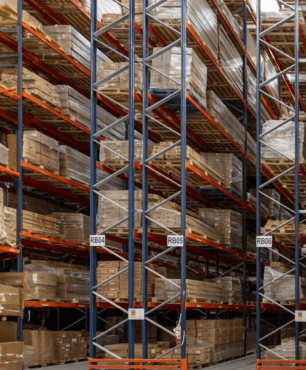
High-Velocity Pick & Pack
Algorithmic pick paths, automated wave and batch sorting, barcode verification, and bespoke presentation packing for premium retail and consumer DTC brands.
Learn more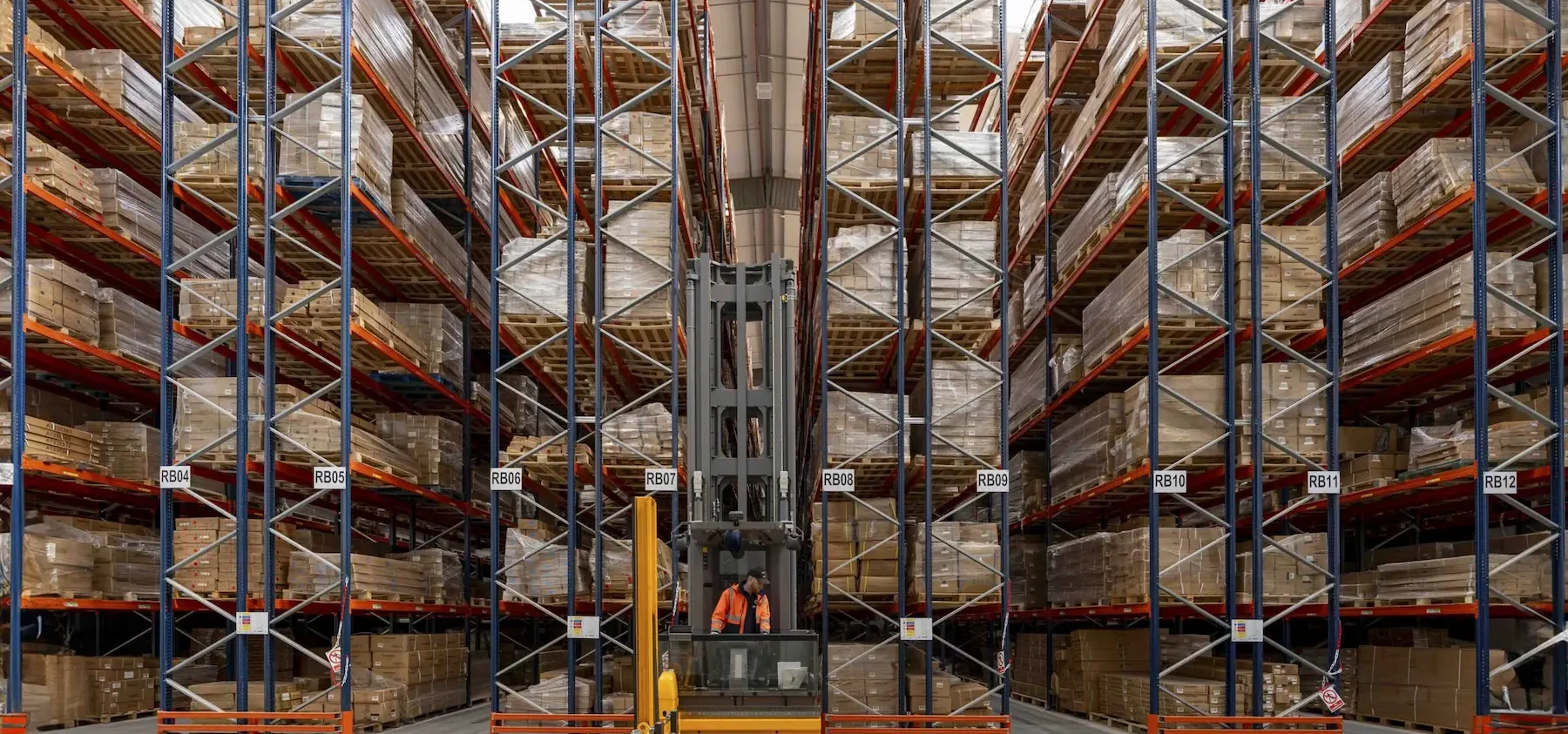


In an era defined by compressed margin thresholds, omnichannel market penetration, and algorithmic consumer delivery expectations, e-commerce fulfilment logistics has migrated from a transactional back-office utility into a frontline commercial differentiator. Today's enterprise procurement leaders and supply chain directors do not merely seek shed space; they require high-velocity port-centric infrastructure, direct-to-consumer parcel distribution, audited customs compliance, and unified B2B retail replenishment operating seamlessly under a single accountable umbrella.
Hemisphere Freight Services (HFS) delivers over three decades of vetted logistics pedigree. Anchored by our dedicated facilities across Felixstowe, Port One (Suffolk), London Heathrow, and Liverpool, we bridge the complex gap between intercontinental freight forwarding and microscopic pick, pack, and dispatch operations. By connecting ocean container de-stuffing directly to bonded warehousing and automated API carrier management, we eliminate friction, excise demurrage, and build resilient global pipelines designed for explosive multi-channel growth.
Years of end-to-end logistics engineering
Strategic UK operational hubs & port facilities
Inventory and order dispatch accuracy index
Ahead of UK 2030 net-neutrality mandates
Empowering high-growth merchants, global enterprises & omnichannel brands







Shatter the operational bottlenecks that constrain fast-moving brands. Our modular e-commerce architecture unites primary freight forwarding, customs clearance, high-density warehousing, and final-mile carrier integration.
Algorithmic pick paths, automated wave and batch sorting, barcode verification, and bespoke presentation packing for premium retail and consumer DTC brands.
Learn more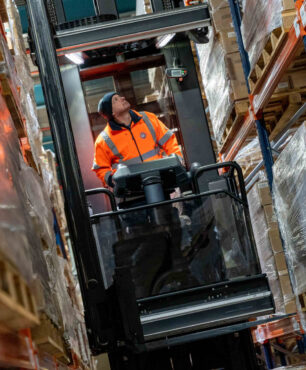
Preserve vital working capital. Suspend customs duties and import VAT indefinitely while managing multi-territory stock allocation and rapid EU/global transshipment.
Learn more
Direct CDS electronic clearance, classification auditing, tariff quota exploitation, and complete post-Brexit UK/EU boundary friction removal handled by dedicated specialists.
Learn more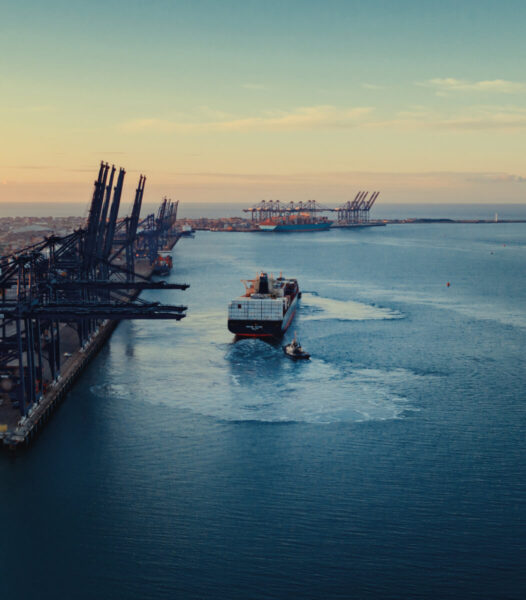
Contracted carrier allocations, FCL/LCL ocean freight, and expedited air links landing seamlessly into our port-adjacent Felixstowe and London Heathrow facilities.
Learn moreThe parameters defining 3PL and 4PL selection have radically transitioned. Enterprise buyers are abandoning fragmented vendor setups in favor of integrated forwarder-fulfilment partners capable of mitigating macro geopolitical volatility.
Modern supply chain procurement is dominated by four structural imperatives: port-centric devanning to eradicate inland logistics inflation, automated multi-carrier parcel routing to shield margin against surcharge volatility, bonded customs architecture to optimize liquid cash flow, and end-to-end API inventory orchestration.
Escalating inland road haulage costs, persistent driver availability constraints, and stringent urban clean-air zone penalties have rendered the classic inland logistics golden triangle inefficient for sea-freight-heavy e-commerce. Procurement directors are intentionally rerouting container flows to port-adjacent complexes like Hemisphere's Port One facility in Suffolk. By devanning containers within minutes of the quayside at Felixstowe, brands completely circumvent inland container demurrage, curb costly empty-container return runs, and accelerate inventory injection into live sales channels by up to 72 hours.
The artificial boundary between direct-to-consumer parcel distribution and wholesale retail fulfillment has dissolved. Modern merchants require a single partner capable of shipping 10,000 individual parcel envelopes today, while simultaneously cross-docking 40 retail store pallets compliant with stringent Amazon FBA, major department store, or grocery distributor routing guides tomorrow. Enterprise RFPs now mandate native support for Electronic Data Interchange (EDI 850, 856, 810 protocols) and bi-directional RESTful APIs that reconcile stocks instantly across wholesale and consumer channels.
Technological innovation is transforming fulfilment warehousing from passive storage space into an automated, predictive operational engine.
The convergence of predictive AI analytics and warehouse management systems (WMS) allows modern operators to transition from reactive picking to proactive inventory positioning. By analyzing upstream vessel telemetry, consumer browsing signals, and historical promotional patterns, stock is dynamically pre-slotted into micro-pick zones before peak volume surges occur.
Simultaneously, warehouse automation has advanced past rigid, capital-intensive conveyor networks. Hemisphere deploys flexible Autonomous Mobile Robots (AMRs), automated dimensioning systems, and algorithmic cartonisation scanners. These tools calculate the precise volumetric threshold of each dispatch parcel, slashing dead-air carriage charges, eliminating excessive void fill, and lowering freight expense across domestic and international parcel networks.
Pre-clearing containerised SKUs to bypass long-term racking and route directly to out-of-stock backorders within hours of vessel discharge.
Real-time algorithmic carrier assignment selecting final-mile routes based on live geographic weather, regional depot performance, and cost profiles.
Automated return validation, grade assessment, sanitisation, repackaging, and rapid restocking to mitigate consumer returns value leakage.
Procurement officers require unambiguous, measurable SLA contracts to protect operational integrity and safeguard brand reputation. Use our institutional performance benchmark matrix to evaluate your fulfilment logistics partners.
| Operational Metric | Acceptable Benchmark | Hemisphere Standard | Procurement Impact & Commercial Risk |
|---|---|---|---|
| Order Picking Accuracy | > 99.00% | > 99.85% | Sub-par accuracy inflates reverse logistics costs and damages lifetime customer loyalty. |
| Inbound Container Turnaround | 48–72 Hours | < 24 Hours | Delayed inbounding freezes capital, induces stockouts, and causes container demurrage. |
| Same-Day Dispatch Cut-Off | 13:00 GMT | Up to 16:30 GMT | Extended order cut-off times directly elevate online cart conversions across consumer storefronts. |
| Inventory Variance Rate | < 1.00% | < 0.20% | Stock drift creates phantom inventory, unfulfillable orders, and disruptive accounting audits. |
| RMA Returns Turnaround | 5–7 Business Days | 24–48 Hours | Slow inspection cycles destroy inventory value for seasonal apparel and sensitive tech goods. |
| API System Uptime | 99.50% | 99.99% | Interface drops block order ingest during Black Friday and seasonal retail marketing peaks. |
All Hemisphere performance benchmarks are audited through real-time customer WMS dashboards, providing clear operational visibility across inventory flows.

For more than three decades, Hemisphere Freight Services has engineered supply chain infrastructure that eliminates operational boundaries. Rather than handing off freight between third parties, our clients benefit from an interconnected logistics system covering air, sea, customs, port handling, and domestic distribution within one transparent organisation.
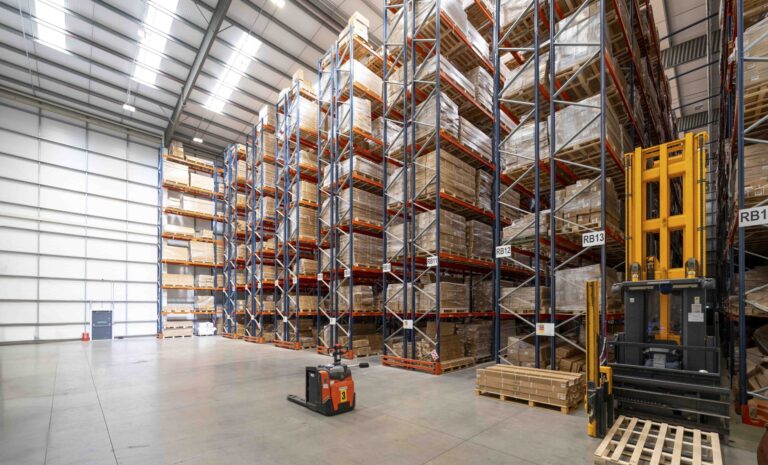
Integrated port devanning, itemised pick and pack, and custom retail packaging delivered a 35% gain in dispatch speed while maintaining brand packaging standards.
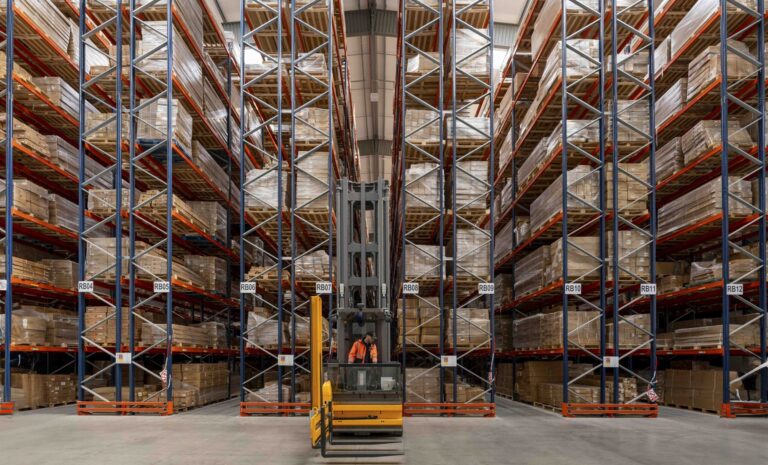
Consolidating ocean container receipts with next-day nationwide delivery networks to support high-cube retail stock replenishment across the UK.

Scheduled air freight consolidation linking Asian manufacturing hubs directly into rapid-turnaround UK pick lines, meeting tight seasonal market launches.
Modern consumers and global retail boards expect clear decarbonisation practices. Hemisphere attained certified carbon-neutral business status five years ahead of the UK's 2030 target, backing operations with verified Scope 3 tracking, high-efficiency warehouse facilities, and eco-friendly packaging programs.
Read our sustainability reportWarehouse complexes powered by on-site solar photovoltaic arrays and equipped with fully electric materials handling fleets.

Granular greenhouse gas reporting on ocean freight legs and individual parcel deliveries to help support corporate ESG filings.

Automated box dimensioning and biodegradable paper tape materials to minimise excess volume and cut plastic usage across dispatches.
Direct technical and operational answers to questions raised by supply chain directors, procurement professionals, and brands.
Port-centric fulfilment logistics positions warehousing infrastructure adjacent to primary deep-water container terminals like Felixstowe or the Port of Ipswich. This eliminates lengthy and costly inland container drayage, cuts demurrage and detention risks, enables immediate devanning upon customs clearance, and allows goods to enter live inventory hours after vessel berthing.
A customs bonded warehouse suspends the payment of import duties and statutory Value Added Tax (VAT) until items are formally declared for release into domestic free circulation. If products are re-exported to continental Europe or retained during seasonal sales troughs, capital remains preserved.
Leading e-commerce fulfilment systems integrate directly via secure RESTful APIs with ERPs like SAP and NetSuite, platforms like Shopify Plus, and marketplaces like Amazon. Dynamic inventory allocation segregates wholesale bulk pallets from active consumer pick faces while sharing unified real-time stock balances.
Essential procurement SLAs include: Order Picking Accuracy (minimum 99.85%), Same-Day Dispatch Cut-off (typically 14:00 to 16:00 GMT), Container De-stuffing and Inbounding turnaround (within 24-48 hours of gate arrival), Inventory Accuracy rate (exceeding 99.5%), and Reverse Logistics RMA processing within 48 hours.
BRCGS AA+ accreditation represents the highest possible standard for unannounced hygiene, storage, and operational audits. It verifies climate precision, pest prevention, automated batch/lot traceability, and rigorous contamination defenses essential for wellness and consumer goods.
Sustainable e-commerce fulfilment logistics incorporates roof-mounted solar photovoltaic generation, electric materials handling equipment (MHE), intelligent cartonisation algorithms, biodegradable packaging, and granular Scope 3 greenhouse gas reporting per shipment.
Connect directly with our 3PL and freight solutions engineers to review shipping routes, bonded storage options, and system integration workflows for your product lines.