
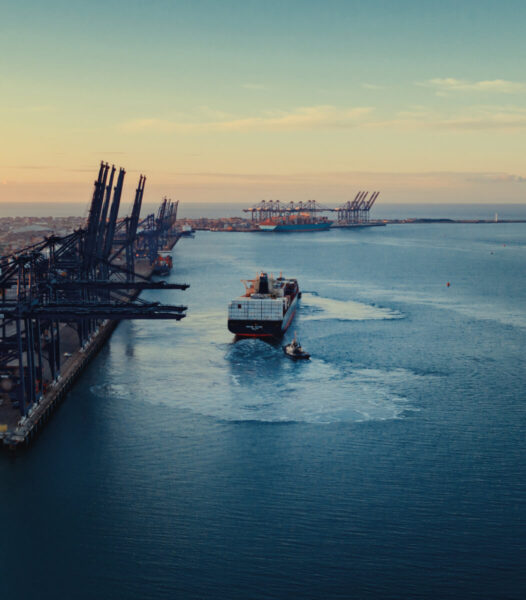
Ocean Freight Forwarding
Scalable FCL and consolidated LCL solutions with carrier contracts servicing Asia-Europe, Transatlantic, and Middle Eastern shipping routes.




Managing overseas supplier consignments through fragmented freight intermediaries creates unnecessary overheads, handoff disputes, and visibility blind spots. Hemisphere delivers an unified freight operational model under single-source accountability.
Our dedicated operations desk orchestrates complete intermodal movements across ocean, air, and road corridors. From high-frequency container flows to complex, regulated project cargo, every milestone is coordinated with certified quality standards. We provide overseas buyers and industrial suppliers direct access to strategic UK port facilities, streamlined clearance channels, and proactive milestone tracking.
With established tier-one carrier allocations and verified partner hubs across six continents, we ensure capacity stability, reduced demurrage risk, and optimised landed costs for international trade programs.
Engineered to support global B2B supply chains, cross-border retail programmes, and precision manufacturing imports.
Scalable FCL and consolidated LCL solutions with carrier contracts servicing Asia-Europe, Transatlantic, and Middle Eastern shipping routes.
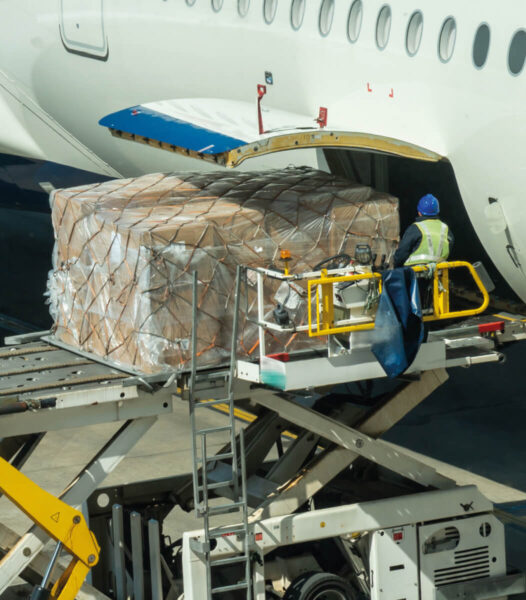
Ranked IATA agent with airside cargo stations at London Heathrow for urgent, high-value, and temperature-controlled air consignments.
Container haulage direct from major UK maritime ports, plus scheduled full (FTL) and groupage (LTL) road transport across the UK and Continental Europe.

In-house declarations, tariff classification assessments, duty deferment advice, and bonded customs procedures avoiding border transit holds.
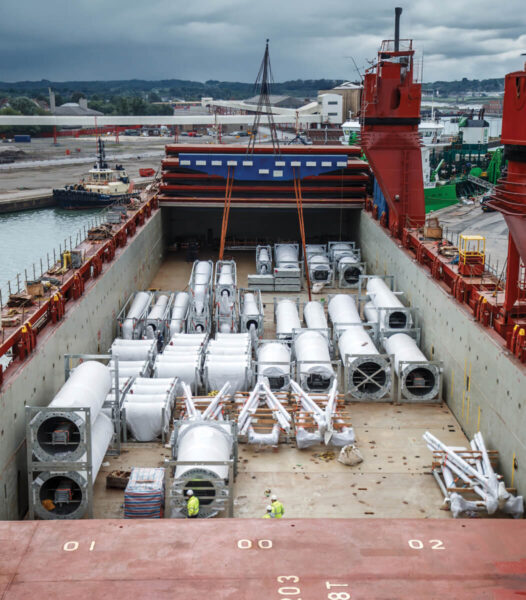
Bespoke rigging, heavy-lift handling, route surveys, and police escorts for energy, infrastructure, and heavy industrial machinery installations.

ADR, IMDG, and ICAO certified handlers providing hazard classification, specialized packaging, and compliant multimodal dangerous cargo transit.
Optimising container flows from vessel discharge through to destination unpacking requires dedicated traction capacity, demurrage mitigation, and strategic quay-adjacent facilities.
Seamless transitions between ocean vessel, port rail heads, and road skeletal chassis across all standard 20ft, 40ft, and High Cube shipping containers.
Company-managed traction fleet and audited carrier partnerships guaranteeing prompt container uplift from the Port of Felixstowe and London Gateway.
Immediate container destuffing and palletisation at Port One Logistics Park to eliminate costly shipping line container detention charges.
Direct bonded transfer capability into approved warehouse facilities for deferred tariff and VAT clearance on commercial inventories.
Every international consignment follows an audited quality pathway designed to maintain schedule precision, cargo integrity, and total regulatory adherence.
Consignment collection from supplier manufacturing premises via road or rail feeder networks into regional export consolidation terminals.
Formal submission of commercial invoices, packing lists, and export permits to origin border authorities for clear export release.
Cargo physical inspection, piece count verification, condition reporting, and secure vessel or aircraft container loading (FCL/LCL).
Scheduled deep-sea transit or prioritized air corridor transport backed by active milestone monitoring and continuous position updates.
Pre-arrival customs entry declaration into UK CDS, calculating exact duty, excise, and VAT, utilizing deferment accounts for fast release.
Controlled delivery to consignee address, or transfer to bonded warehousing for order fulfillment, cross-docking, and nationwide transport.
Authoritative guidance on global forwarding, container handling, and cross-border shipping compliance.
An international freight forwarder functions as the architectural coordinator of global cargo movements. Rather than simply moving assets, a professional forwarder negotiates transport rates across sea, air, and overland carriers, arranges complex multijurisdictional customs declarations, drafts non-negotiable shipping documentation, procures marine insurance, and oversees physical transfer between diverse carriers under recognized Incoterms rules.
The standard forwarding process comprises six distinct stages: 1) Origin export haulage from supplier facilities; 2) Border export declaration and origin handling; 3) Loading and main-leg maritime or aviation transit; 4) Inbound import customs declaration and tariff assessment; 5) Terminal devanning and destination wharf clearance; and 6) Final delivery to end-customer, distribution center, or bonded storage facilities.
Standard freight forwarding manages cyclical, containerised, or consolidated freight along established trade corridors. In contrast, project logistics manages complex, non-standard, and out-of-gauge industrial consignments—such as power generation equipment, railway assemblies, or refinery turbines. It requires tailored structural engineering surveys, dedicated heavy-lift vessels or multi-axle modular trailers, bespoke physical permits, and coordinated on-site installation teams.
Port-centric logistics positions storage and devanning facilities immediately adjacent to primary maritime gateways like Felixstowe. By moving containers directly from the quayside into nearby warehousing, commercial importers avoid expensive inland container haulage legs, eliminate liner demurrage charges, and enable stock distribution in responsive regional batches.