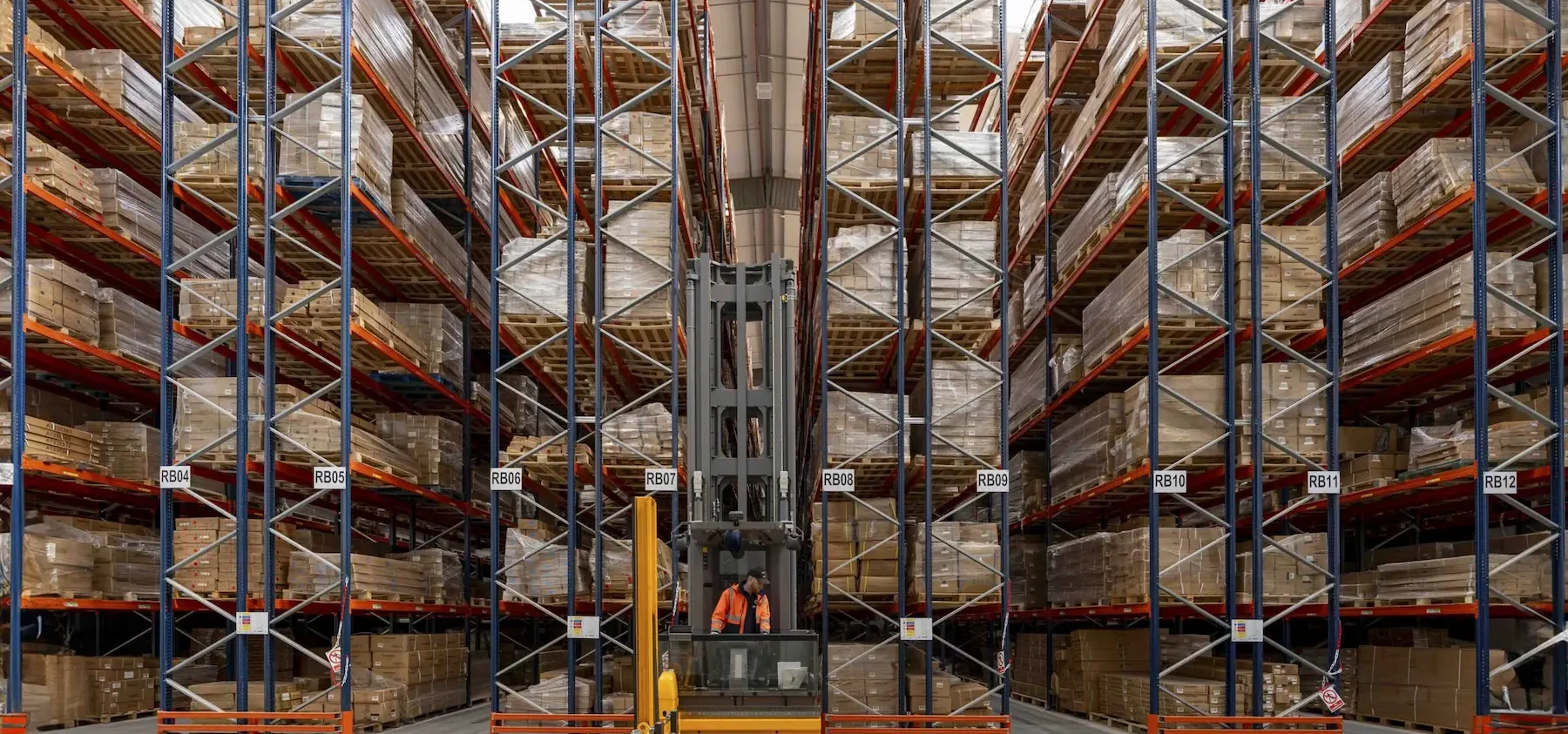
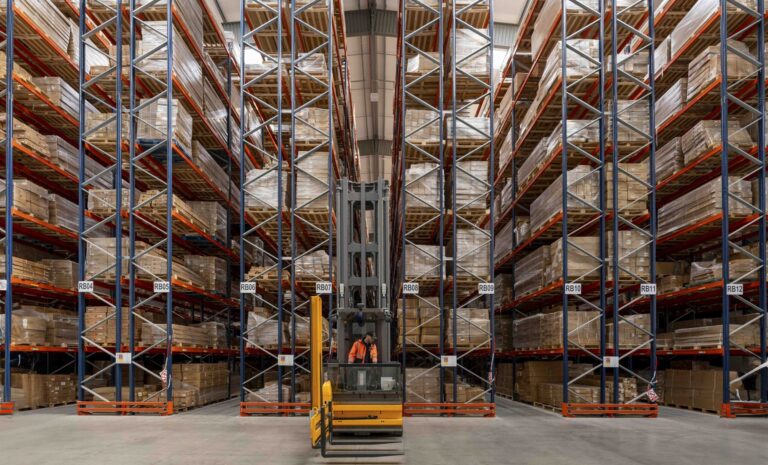
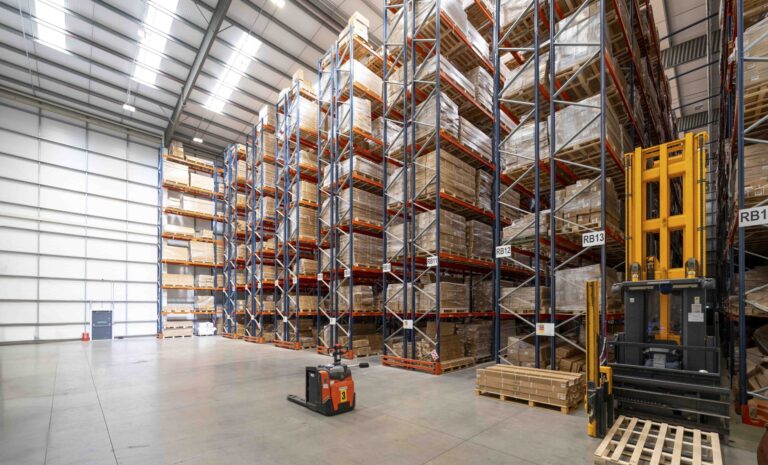
Hemisphere port-centric container freight station and warehouse in Suffolk
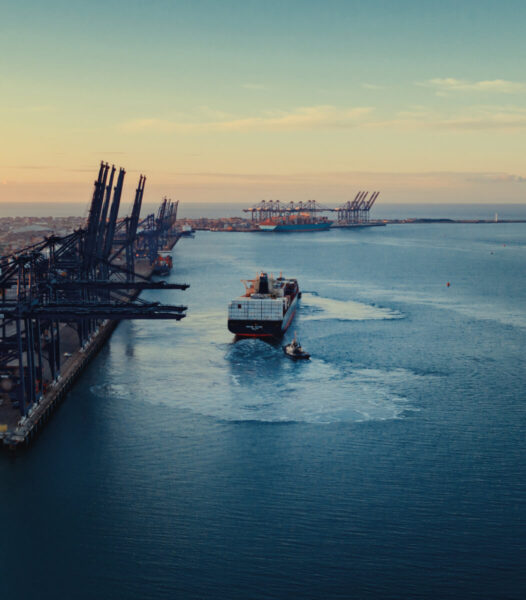
Consolidated LCL ocean freight processing and cargo inspection team
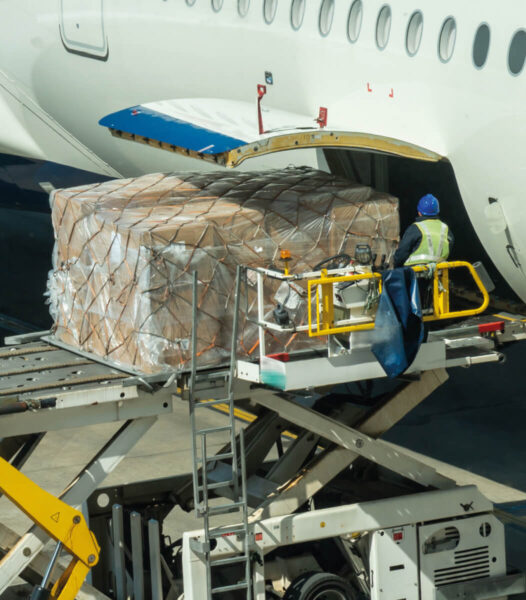
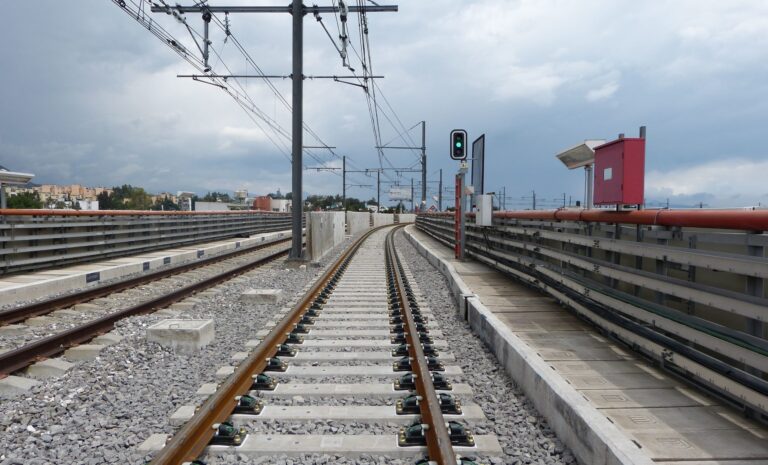
Multimodal supply chain consolidation and heavy infrastructure movements
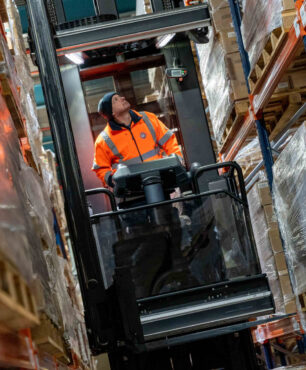
Engineered track assemblies packed and consolidated for overseas shipment
01 / 04
Enterprise Procurement & Multimodal Freight Strategy

The Complete Less than Container Load (LCL) Shipping Playbook: Strategic Consolidation, Landed-Cost Calculations, and Risk-Managed Procurement

How should global buyers strategically balance cash flow, port handling risk, and container space? Less than Container Load (LCL) ocean shipping gives procurement professionals the operational agility to move high-value inventories without committing to 20ft or 40ft full boxes. At Hemisphere Freight Services (HFS), we coordinate consolidation at key origin hubs worldwide, direct ocean transit, and fast devanning at our secure, port-centric UK facilities — giving you institutional visibility from factory pallet to customer delivery.

In high-interest, volatile freight markets, modern supply chains are moving away from bloated 'just-in-case' stockpiles and fragile 'just-in-time' schedules toward 'just-in-sequence' responsive inventory models. LCL shipping lets purchasing teams shorten order cycles, match factory production cadences across multi-supplier hubs, reduce working capital drag, and test regional retail demand without over-committing capital. By managing container freight stations (CFS), customs clearance entries, bonded warehousing, and pallet-level distribution under one company, HFS turns shared ocean freight into a dependable competitive advantage.

0+

Years perfecting container consolidation and ocean forwarding

0-48h

Average port-centric devanning and cargo sort turnaround

0

Owned UK terminals, bonded warehouses, and cross-docks

0%

In-house customs compliance and digital CDS declaration coverage

Trusted by global manufacturers, retail distributors, and procurement leaders

  • Hemisphere commercial logistics client
  • Consolidated sea freight client
  • Global enterprise logistics partner
  • Ocean cargo supply chain brand
  • Toolport industrial supply
  • Retail and manufacturing partner
  • TaylorMade sports logistics
Tailored Routing Solutions

Engineered LCL Shipping Options by Cargo Profile and Deadline

LCL freight is never one-size-fits-all. Our specialist ocean division provides distinct consolidation models designed around your transit urgency, budget boundaries, and supply chain constraints.

Direct ocean container consolidation vessel
Priority Express

Direct CFS Ocean Consolidation

Dedicated port-pair consolidation without mid-voyage hub transhipment. Maximises route speed and minimises touchpoint damage from China, India, and Southeast Asia to Felixstowe and Southampton.

Get a Quote
Buyers multi-vendor consolidation warehouse team
Inventory Control

Buyer's Multi-Vendor Consolidation

Combining purchase orders from multiple regional suppliers into a single dedicated container. Drastically reduces destination handling overheads, individual clearance costs, and administrative time.

Get a Quote
Combined sea air multimodal cargo operations
Multimodal Speed

Sea-Air Hybrid Consolidation

Combines economical sea freight on high-volume maritime routes with express air transhipment via Dubai or Singapore. Delivers up to 50% faster lead times than sea freight at roughly half the cost of pure air freight.

Get a Quote
Bonded CFS devanning and duty-suspension storage
Working Capital

Port-Centric Bonded De-consolidation

Containers move straight from the quay into our bonded facility. Shipments are stripped, inventoried, and held with customs duty and VAT suspended until your commercial sales orders are ready to ship.

Get a Quote
Financial Decision Framework

LCL vs. FCL vs. Air Freight: Finding Your Real Cost Tipping Point

Avoid common freight pricing traps. Use this landed-cost comparison matrix to evaluate cargo density, handling exposure, and transit speed trade-offs.

Deep comparison between LCL shipping, FCL full container, and standard Air Cargo forwarding
Logistics Parameter Less than Container Load (LCL) Full Container Load (FCL) Scheduled Air Cargo
Cargo Volume Target 1 to 14 CBM (Fractional container space) 15 to 68 CBM (20ft, 40ft, 40ft High Cube) 0.1 to 3 CBM (Weight-constrained parcels)
Freight Rating Basis W/M Metric (1 CBM = 1,000 kg ocean standard) Flat Container Rate per box size Volumetric Ratio (1 CBM = 167 kg chargeable)
Customs Release Exposure Shared master bill; single hold can pause whole container without CFS uncoupling Isolated container; unaffected by other commercial parties Fast airway bill release; quick customs clearance turnaround
Quay & Port Fees CFS receiving, deconsolidation, and split devanning fees apply Port terminal handling charges (THC), demurrage, and detention risks Airport airline handling and terminal fees
Carbon Footprint Profile Lowest Gram-CO2/Ton-KM at fractional volumes Optimal efficiency only if container is packed above 85% capacity Very high emissions intensity (15x–30x ocean freight)
Working Capital Impact Small regular orders free up cash flow and reduce warehouse storage costs High single-order inventory cost ties up substantial cash in transit High freight bills erase gross retail profit margins

Expert Insight: The crossover point where LCL becomes more expensive than FCL usually sits around 13 to 15 CBM, depending on the origin trade lane and destination CFS devanning rates. Talk to our pricing analysts before booking to run a full landed-cost model for your shipment.

Hemisphere logistics professionals managing bonded warehouse container operations
Enterprise Reliability

Why Global Importers Partner with Hemisphere for LCL Consolidation

For more than 30 years, Hemisphere Freight Services has built ocean logistics around owned, port-centric UK infrastructure. Unlike pure digital broker platforms that pass off your cargo to unknown third-party CFS terminals, we handle the devanning, customs entries, cross-docking, and onward road transport directly with our own trained teams.

  • Port One Deconsolidation Hub: Fast container transfers directly from Felixstowe berths into our customs-bonded complex without inland railhead delays.
  • In-House Customs Brokerage: Complete HMRC declaration entries via the Customs Declaration Service (CDS), managing tariffs, rules of origin, and duty deferment accounts.
  • BRCGS Storage & Distribution AA+ Accredited: Audited segregation controls protect food-grade, pharmaceutical, and high-value consumer products from cross-contamination.
  • Dedicated LCL Account Specialists: Direct access to experienced freight specialists who know your commercial terms, cargo specifications, and project deadlines.
Proven Results

Real Supply Chains Transformed by Strategic Consolidation

Explore All Case Studies
Toolport commercial logistics and distribution setup
Toolport · Multi-Tier Sea Freight

Eliminating Supply Shortages with Scheduled Groupage Consolidation

Designed a recurring LCL maritime consolidation plan from European manufacturing plants directly into UK port-centric storage, achieving consistent next-day UK order fulfillment.

E-commerce fulfilment packaging and palletising
Olli Ella · Retail Consolidation

Protecting Brand Margins Through Multi-Vendor LCL Cross-Docking

Replaced inconsistent, piecemeal vendor deliveries with regional consolidation hubs across East Asia, cutting destination clearance overheads by over 28%.

Industrial rail fasteners securely prepared for ocean voyage
Pandrol · Industrial Infrastructure

Heavy Rail Component Consolidation for International Delivery

Managed high-density engineering components with bespoke timber crating, weight-balanced container placement, and customs documentation for urban infrastructure rollouts.

Expert Procurement Guidance

Frequently Asked Questions on Less than Container Load Shipping

Direct answers to technical questions about freight calculations, risk mitigation, and UK devanning workflows.

Get a Quote
How is freight calculated for Less than Container Load (LCL) shipments?

LCL freight is calculated on a Weight or Measurement (W/M) basis using revenue tons (RT). For maritime cargo, 1 Cubic Metre (CBM) equals 1,000 Kilograms (1 Metric Ton). If a 3 CBM pallet weighs 1,200 kg, the chargeable volume is 3 RT because volume exceeds weight. Conversely, if a 2 CBM crate of dense steel machinery weighs 3,500 kg, the chargeable volume is 3.5 RT based on weight. Accurate measurements of outermost packaging dimensions (including pallets, skids, and overhangs) are critical to avoiding unexpected recalculations at the origin CFS.

At what volume does switching from LCL to FCL become economically viable?

The operational crossover generally lands between 13 and 15 CBM for a standard 20ft container (which provides roughly 33 CBM of internal capacity). Although pure ocean freight per CBM might look competitive up to 18 CBM, LCL shipments incur destination CFS receiving, devanning, split-handling, and individual documentation fees. Above 14 CBM, booking a dedicated 20ft container (FCL) usually delivers a lower total landed cost, faster terminal release, and zero co-loading risk.

How do you protect cargo integrity and prevent contamination during co-loading?

Cargo protection in shared containers requires strict segregation standards. Operating under ISO 9001:2015 and BRCGS Storage & Distribution AA+ certifications, Hemisphere enforces clear loading rules. We do not co-load industrial chemicals, hazardous materials, or pungent cargo alongside consumer retail goods, food packaging, or precision electronics. Furthermore, we require ISPM 15-compliant export crates, robust corner-boards, and commercial stretch-wrapping to protect against transit movements during sea voyages.

How are customs examinations and random port holds handled for consolidated LCL boxes?

Consolidated containers operate under multiple House Bills of Lading (HBL) covered by a single Master Bill of Lading (MBL). If UK Border Force flags one consignment for document inspection, the entire container can be held on the quay. Hemisphere manages this risk through our in-house customs clearance desk. We coordinate electronic submissions, bonded shunts directly to our approved CFS, and bonded de-stuffing under customs supervision — allowing non-flagged consignments to be released to customers without delay.

Why are port-centric warehouses superior for LCL deconsolidation?

Traditional inland consolidation depots require moving intact containers across crowded motorways before unloading, which increases transport costs and exposes shippers to demurrage fees. In contrast, Hemisphere’s port-centric facilities at Port One and Felixstowe sit right beside the UK's main container berths. Containers move off the quay and into devanning within 24–48 hours, clearing goods straight into storage, duty-suspended bonded holding, or next-day national road distribution.

Which Incoterms work best for international LCL procurement?

For import procurement, FCA (Free Carrier) or FOB (Free on Board) offer far more control than CIF (Cost, Insurance, and Freight). Under CIF terms, overseas suppliers select origin co-loaders who often discount upfront sea freight only to charge steep, unexpected 'China Import Service Fees' (CISF) and port handling costs to the UK consignee before releasing cargo. Controlling the freight under FCA or FOB through Hemisphere ensures transparent destination charges and reliable end-to-end schedules.

Optimise Your Ocean Logistics with Transparent LCL Shipping

Speak with our sea freight consolidation specialists. We will evaluate your shipment dimensions, compare LCL and FCL crossover economics, and provide transparent door-to-door pricing.