1. Nearshoring and Port-Centric Inventory Buffers
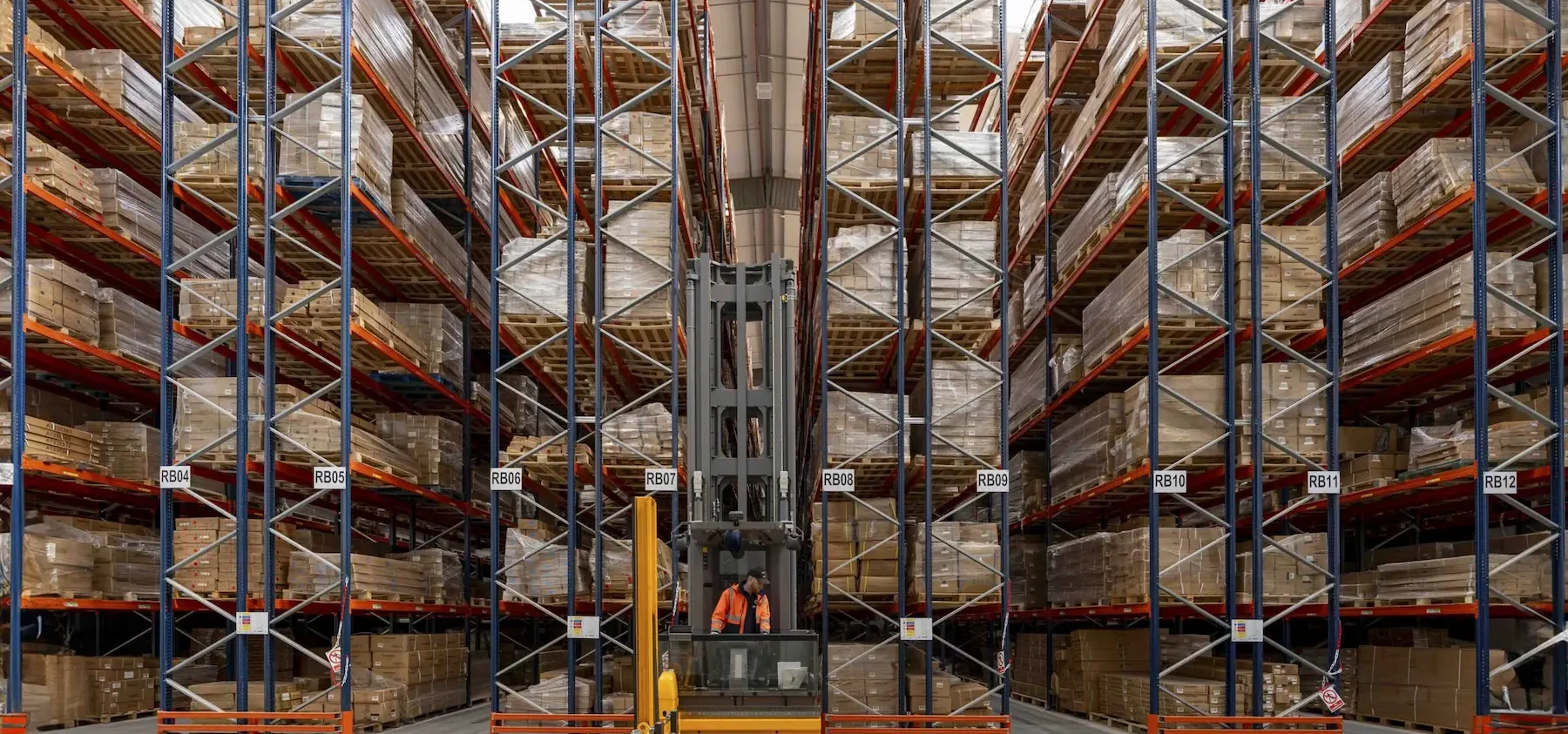
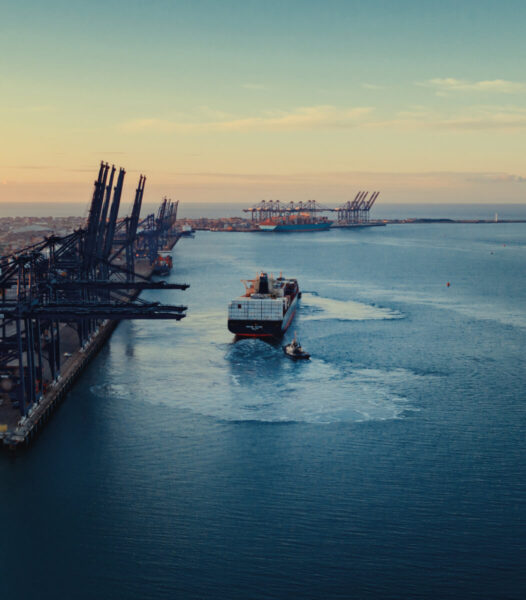
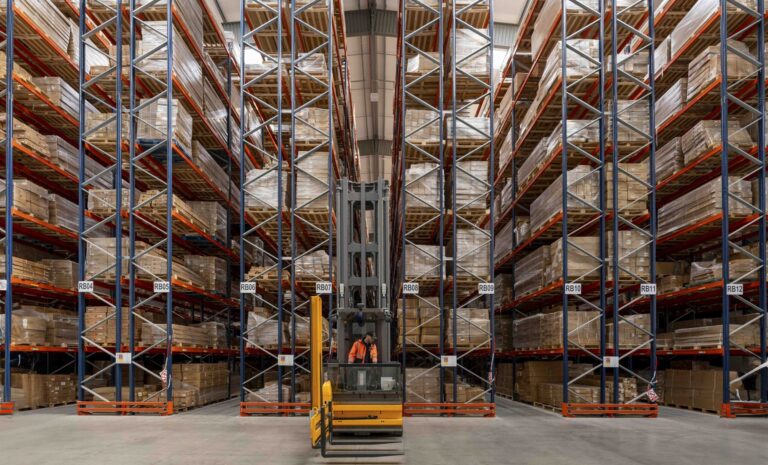
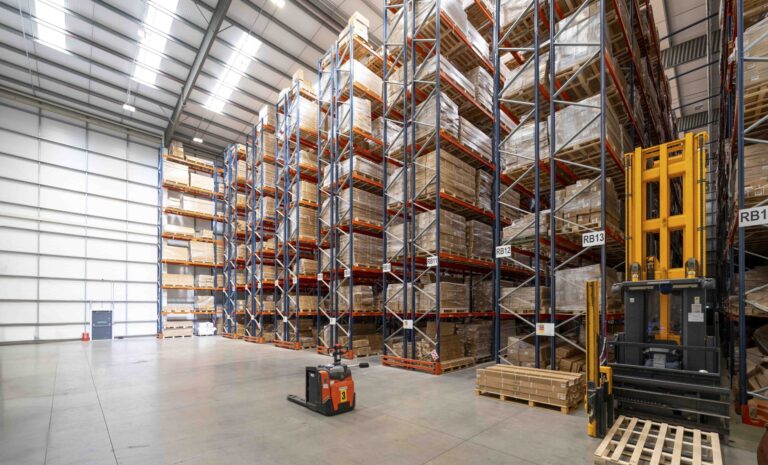
Global ocean volatility and ongoing Red Sea re-routings have forced a major procurement rethink. International food and beverage retailers are moving away from fragile Just-In-Time (JIT) replenishment toward resilient "Just-In-Case" buffer inventories stationed at major marine gateways. By locating BRCGS-certified ambient and cold-chain hubs at Port One Suffolk and Felixstowe, importers bypass central motorway congestion, mitigate port demurrage, and maintain a 2-4 week inventory cushion capable of supplying retail supermarket networks within hours.
2. Dynamic Shelf-Life Telematics & IoT Sensoring
Modern food safety standards increasingly demand more than passive data loggers retrieved after offloading. The procurement norm is rapidly shifting to real-time IoT sensors communicating continuous internal container temperatures, relative humidity, atmospheric oxygen/carbon dioxide levels, and shock telemetry directly to cloud platforms via cellular and satellite networks. This prevents spoilage by triggering automated mid-transit corrective interventions (such as adjusting airflow or redirecting ripening shipments).
3. Mandatory Scope 3 Emissions Transparency
Corporate sustainability reporting directives (CSRD) and UK climate disclosures require multinational FMCG enterprises to quantify and reduce supply chain emissions. Food brands are prioritizing freight forwarders and 3PL partners with verifiable low-carbon operations. Hemisphere meets this demand through roof-mounted solar installations across our warehousing facilities, electric handling fleets, HVO (Hydrotreated Vegetable Oil) road haulage alternatives, and shipment-level carbon reporting that helps brands hit their ESG targets.
4. Strict UK BTOM Enforcement & SPS Digital Automation
The post-Brexit border framework has stabilized around the UK's Border Target Operating Model (BTOM), introducing risk-tiered documentary and physical Sanitary and Phytosanitary (SPS) inspections for animal products, produce, and biological ingredients. Procurement strategies now require API-driven customs broker integration with Defra's IPAFFS and HMRC's CDS systems. Food forwarders must clear documentation before ocean vessels dock to prevent catastrophic supply chain delays.