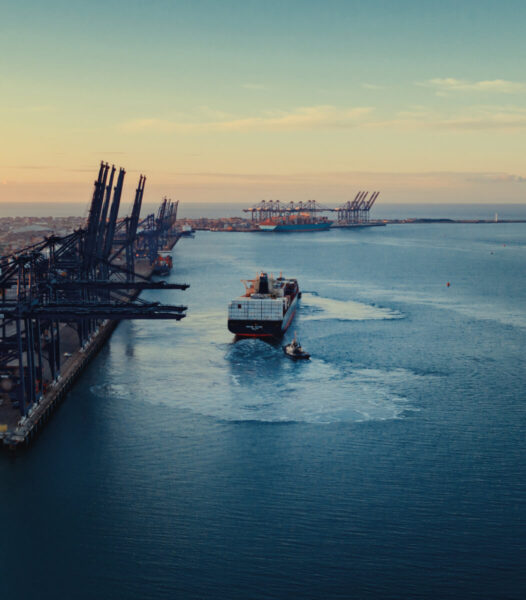
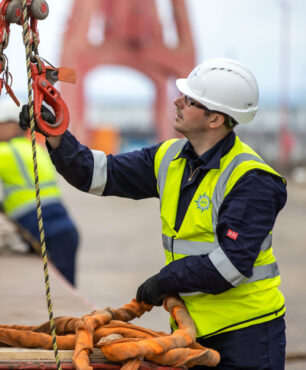
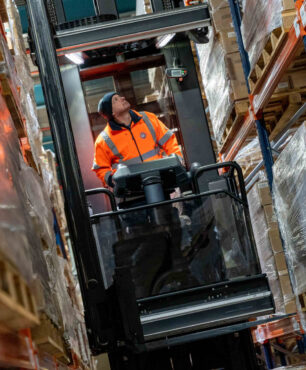
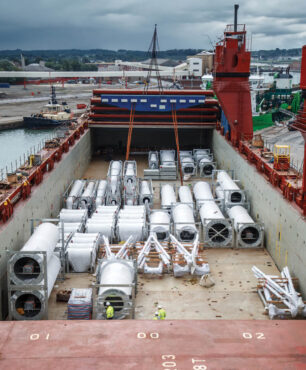
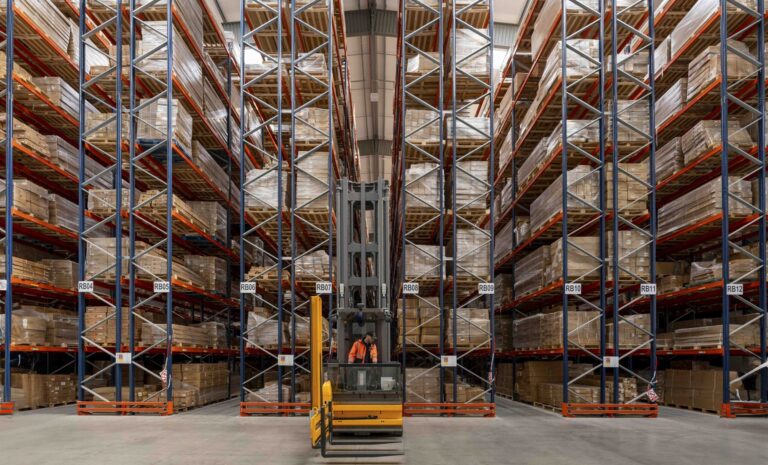
Renewable energy warehouse marshalling and logistics hub
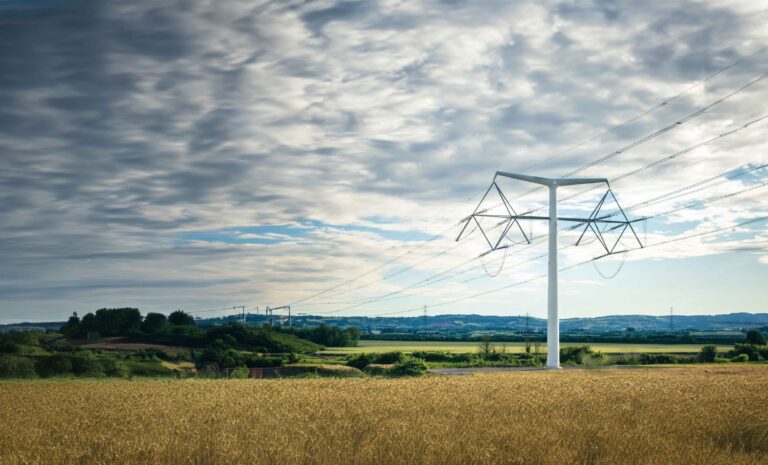
Clean energy transmission project logistics T-pylon heavy haulage
Hemisphere operations team coordinating international clean energy shipments
Multimodal project freight forwarding for green infrastructure
01 / 04
Clean Energy Supply Chain Engineering

Renewable Energy Logistics: How Do Global Buyers Safeguard Multi-Gigawatt CleanTech Supply Chains Against Transit Delays, Breakage, and Regulatory Bottlenecks?

Accelerating the global transition towards net zero requires precision freight forwarding. Utility-scale solar assets, offshore and onshore wind turbine assemblies, modular battery energy storage systems (BESS), and green hydrogen electrolysers demand complex engineering logistics. Discover how engineered transport, multimodal route planning, and dedicated customs compliance secure multi-million-dollar clean energy capital projects.

Global procurement teams navigating the rapid scale-up of renewable installations face escalating risks: delicate solar wafers damaged by micro-cracks during rough sea passages, lithium-ion battery containers delayed by stringent IMDG hazardous material regulations, and oversized nacelles or 100-metre turbine blades stalled by uncoordinated road permits. Hemisphere delivers single-source control—uniting heavy lift project cargo, ocean charters, UK port-centric bonded staging, and specialized Abnormal Indivisible Load (AIL) road haulage.

0+

Years engineering specialized heavy cargo movements

0km

Power transmission corridor delivered (Hinkley Point C T-Pylons)

0

Strategic UK port-centric facilities for clean energy storage

0%

Carbon neutral operations with verified Scope 3 auditing

Trusted by engineering contractors, infrastructure developers, and clean technology pioneers

  • Energy sector logistics client
  • Clean energy EPC partner
  • Grid infrastructure customer
  • Solar and wind energy customer
  • Commercial partner logo
  • Industrial logistics customer
  • Global logistics client
Product & Asset Recommendations

Tailored Logistics Frameworks by Renewable Sector

From microscopic photovoltaic silicon integrity to 150-tonne supergrid transformers, every clean technology vertical requires purpose-built freight equipment, precise stowage methods, and regulatory compliance protocols.

Solar PV modules container freight and vessel charter
Solar Photovoltaic

Utility-Scale Solar PV & Inverter Shipments

High-volume FCL ocean container streams engineered with anti-vibration dunnage and moisture desiccants. We safeguard TOPCon and Heterojunction (HJT) bifacial solar modules against cell micro-cracks during long ocean voyages, backed by port-side container devanning and consolidated site drops matching solar farm installation phases.

Send an Inquiry
Wind turbine blade and tower section abnormal transport
Wind Energy

Offshore & Onshore Wind Turbine Components

Turnkey heavy lift forwarding for mega-scale wind turbine blades (up to 105m+), cast nacelles, drivetrains, and multi-tier tower sections. We deploy steerable blade lifters, multi-axle modular trailers (SPMTs), roll-on/roll-off (RoRo) vessels, and crane rigging teams to maneuver difficult rural landscapes and coastal marshaling ports.

Send an Inquiry
Class 9 hazardous dangerous goods battery storage BESS
Energy Storage

Battery Energy Storage Systems (BESS) & DG Freight

Fully compliant multimodal management for containerized utility lithium iron phosphate (LFP) systems classified under Dangerous Goods Class 9 (UN 3536 / UN 3480). We handle dangerous goods packing declarations, refrigerated ventilation protocols, dedicated DG vessel stowage, and specialized hazmat road haulage.

Send an Inquiry
Grid substation high voltage transformer project logistics
Power Transmission

Substations, Transformers & Grid Interconnectors

Comprehensive engineering forwarding for heavy-gauge High Voltage Direct Current (HVDC) transformers, switchgear, cable carousels, and synchronous condensers. Our engineers coordinate static structural route bridge calculations, road authority notifications, and multi-crane tandem tandem-lift site placements.

Send an Inquiry
Market Intelligence

Procurement in 2026 and beyond is shaped by component supersizing, nearshore diversification, and rigorous trade compliance mandates.

Procurement Trajectory

1. The Shift to DDP & Integrated EPC Turnkey Logistics Contracts

Global clean energy developers and Engineering, Procurement, and Construction (EPC) contractors are moving decisively away from fragmented FOB terms. Because multi-million-pound liquidated damages (LDs) apply if a wind farm or solar project misses grid connection milestones, procurement leaders now prefer Delivered Duty Paid (DDP) or fully managed DAP models. Under this framework, an experienced freight partner oversees origin factory dispatch, charter vessels, import trade customs clearance, and just-in-time delivery straight to the civil crane pad.

Regulatory Evolution

2. Strict Traceability, Supply Chain Due Diligence & CBAM

Regulatory scrutiny around clean energy origin certification is intensifying. The European Union's Carbon Border Adjustment Mechanism (CBAM) and strict supply chain due diligence directives (CSDDD) require meticulous documentation tracing steel, silicon, and battery mineral provenance. Freight forwarders must now serve as regulatory gatekeepers—verifying accurate HS commodity code classifications, issuing green certificates of origin, and providing transparent Scope 3 carbon accounts for every transport nautical mile.

Engineering Challenges

3. The Supersizing Bottleneck of Wind Turbines & Offshore Marshaling

Next-generation 15MW to 20MW offshore turbines feature blades spanning over 115 metres and nacelle blocks weighing beyond 600 tonnes. Most commercial civilian roadways and mid-tier coastal quays cannot support these dimensions. Consequently, procurement strategies are shifting towards dedicated deep-water port marshaling hubs—such as UK east coast and Humber estuaries—where heavy ocean breakbulk vessels discharge directly onto heavy-duty SPMTs, bypassing congested inland trunk networks entirely.

Resilience & Storage

4. Port-Centric Buffering Against Geopolitical Disruption

Geopolitical tensions along the Red Sea and Suez Canal have proven that fragile maritime schedules can add 14 to 21 transit days around the Cape of Good Hope. Clean energy developers are countering these disruptions by establishing port-centric buffer stock sites. By utilizing bonded warehouses at strategic UK logistics hubs, developers can hold months of solar panels, inverters, and mounting racks without pre-paying import VAT and tariffs until each batch is called forward by installation contractors.

Strategic Procurement Matrix

Evaluating Transport Modes Across Key Renewable Assets

Compare critical transport specifications, lead times, regulatory frameworks, and risk profiles across major clean energy components.

Procurement matrix comparing renewable energy logistics specifications
Asset Category Standard Cargo Specifications Primary Freight Modes Key Regulatory / Technical Hurdle Risk Mitigation Strategy
Solar PV Modules (Crystalline/TOPCon) High pallet density, fragile glass wafers, standard 40ft High Cube containers Ocean FCL + Intermodal Road / Rail Cell micro-cracking caused by ocean swell acceleration and rough handling Tilt and 3-axis G-shock telemetry loggers, reinforced vertical crating, port-centric devanning
Onshore/Offshore Wind Turbine Blades Length 65m–115m+, extreme aerodynamic flex, out-of-gauge Charter Heavy Breakbulk + Specialized Extendable Blade Trailers / SPMTs Inland road turning radiuses, bridge clearances, mandatory police and utility escorts 3D dynamic swept path simulation, street furniture removal agreements, specialized blade lifters
Battery Energy Storage Systems (BESS) 20ft/40ft ISO modular enclosures, 25–35+ metric tonnes per unit Specialized Ocean Container Vessel + Heavy-Duty Multi-Axle Low Loaders Dangerous Goods Class 9 (UN 3536 / UN 3480), thermal runaway protocols, port DG limits DG-certified sea freight stowage away from heat sources, fire suppression monitoring, direct-to-site delivery
Supergrid Step-Up Transformers Indivisible heavy lift units weighing 120t–350t+, concentrated footprint Heavy Lift Vessel (crane rigged) + Hydraulic Multi-Axle Girder Trailers Bridge gross vehicle weight exceedances, structural ground load tolerances at destination Bridge stress calculations, highway authority approvals, customized load-spreading steel mats
Green Hydrogen Water Electrolysers High-precision skid assemblies, delicate membrane electrode units RoRo / Breakbulk / Air Freight for critical control instrumentation Pressurized gas purge certificates, extreme vibration and moisture sensitivity Nitrogen-purged shipping cases, climate-controlled export packing, bespoke timber cradles

Hemisphere manages every phase of these technical movements—from point of origin manufacturing plants across Asia, Europe, and the Americas to remote greenfield site pads across the United Kingdom and continental Europe.

Hemisphere renewable logistics project planning team
Enterprise Capabilities & E-E-A-T Authority

Three Decades of Precision Engineering & Strategic UK Gateways

For more than 30 years, Hemisphere Freight Services has operated as an independent, owner-driven logistics authority. We provide comprehensive, hands-on control across complex global supply chains. Clean energy projects cannot afford communication breakdowns between unaligned subcontractors; our in-house teams handle freight forwarding, specialized road haulage, customs clearance, and port-side warehousing under one cohesive banner.

  • Port-Centric UK Laydown Infrastructure: Operating modern facilities at Ipswich, Port One, London Heathrow, and Liverpool—minimizing haulage between container quayside and project laydown yards.
  • Full Customs Brokerage & Duty Optimization: Direct integration with HMRC CDS systems, managing tariff classification, End-Use relief, and Customs Inward Processing for renewable equipment.
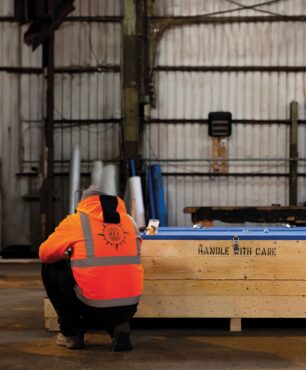
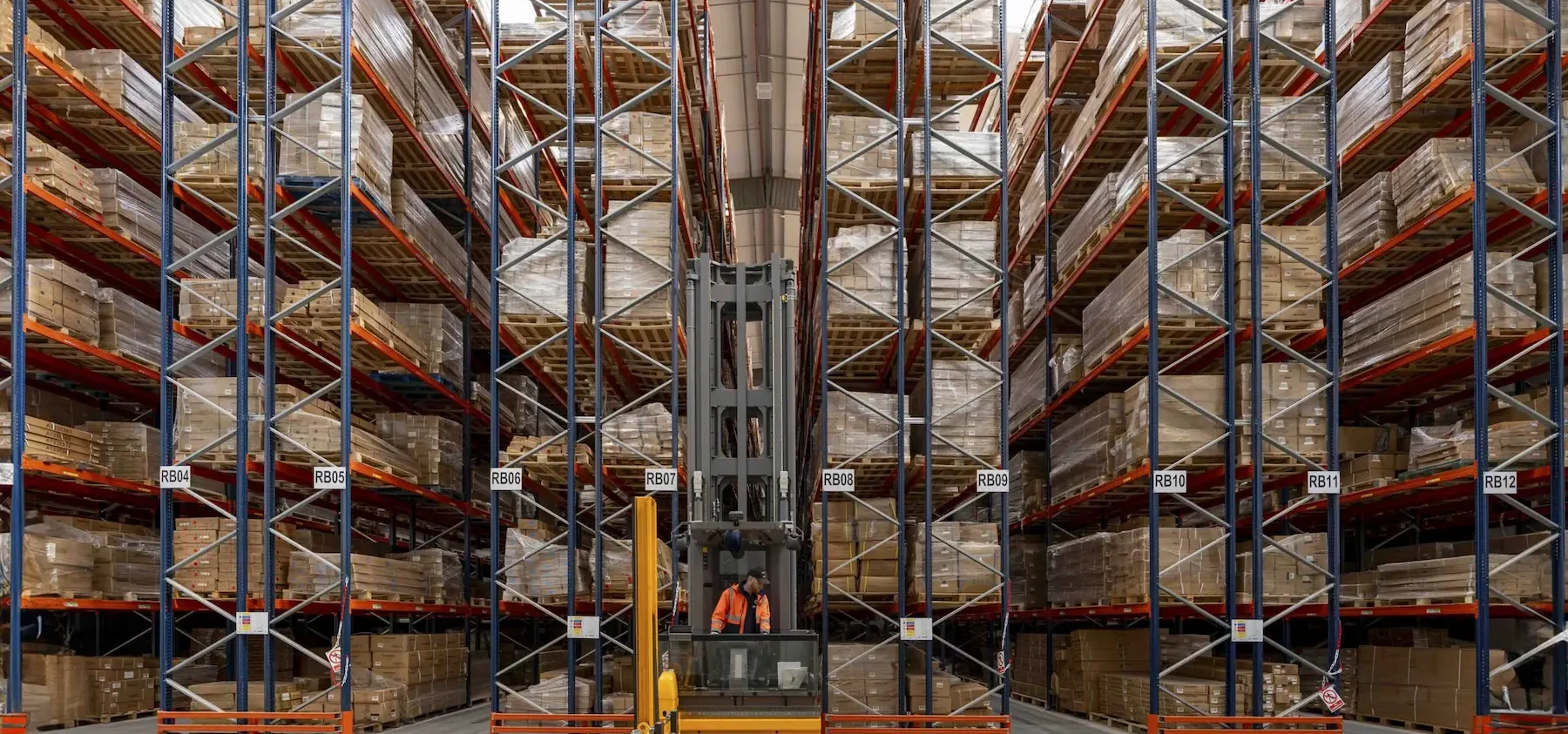
  • Specialist Export Packing & Case Making: In-house timber crate engineering at the Port of Ipswich compliant with ISPM 15 standards, protecting delicate electronics, sensors, and drive systems.
  • First-Mover Carbon Neutrality: Achieving verified carbon neutrality 5 years ahead of the UK 2030 target, offering renewable energy clients detailed Scope 3 emission audits matching their corporate ESG commitments.
Proven Experience

Critical Energy Infrastructure: Delivered with Zero Harm

Explore all case studies
Hinkley Point C T-Pylon energy logistics contract
National Grid / Hinkley Point C · Project Logistics

T-Pylon High-Voltage Transmission Corridor

Coordinated the transport logistics for the world's first operational T-pylons across a 57km energy corridor connecting low-carbon electricity from Hinkley Point C. Handled abnormal load highway clearances, port-to-pad haulage schedules, and multi-crane site tandem offloading under strict environmental constraints.

Clean energy hardware warehousing and rapid deployment
CleanTech Infrastructure · Warehousing & Marshaling

Strategic Port Laydown for Utility Deployments

Established a multi-acre port-centric laydown and staging solution for utility power assets. Delivered just-in-time sequence dispatch to contractor work fronts, eliminating costly site congestion and protecting valuable components against harsh weather conditions.

Specialist export crating for sensitive high-voltage engineering equipment
High-Voltage Engineering · Export Packing

Bespoke Protective Packaging for Grid Substation Gear

Engineered shock-mitigating, ISPM 15-compliant vapor barrier crating for sensitive switchgear and transformer control units. Designed to withstand severe maritime motion during multi-leg ocean transit without dielectric oil leakage or internal electrical dislocation.

Engineered Methodology

The 5-Phase Renewable Energy Project Execution Framework

A proven, risk-engineered process that protects budgets, preserves component integrity, and guarantees commercial operation dates.

  1. 01

    Front-End Engineering Design (FEED) Logistics

    Conducting detailed route surveys, swept path 3D simulations, bridge structural calculations, and maritime crane capacity verifications months before manufacturing begins.

  2. 02

    Multimodal Chartering & Booking

    Securing dedicated vessel deck space, heavy lift breakbulk vessels, or high-volume container space with carriers experienced in clean technology cargo handling.

  3. 03

    In-Transit Monitoring & Customs Pre-Clearance

    Real-time tracking of satellite location, G-force impact shocks, and atmospheric tilt. Completing import declarations through HMRC CDS before cargo reaches port waters.

  4. 04

    Port Marshaling & Bonded Buffering

    Vessel discharging at our port-centric hubs at Felixstowe or Ipswich. Goods are inspected, sequenced, and held under duty suspension until civil construction pads are ready.

  5. 05

    Abnormal Load Escort & Pad Delivery

    Executing highway deliveries with self-propelled modular transporters (SPMTs), low loaders, police escorts, and rigging crews directly onto foundation anchor bolts.

Expert FAQ

Frequently Asked Questions by Global Clean Energy Buyers

Clear, authoritative answers to the questions energy developers, EPC managers, and procurement leaders ask most frequently.

Send an Inquiry
What specific packaging and stowage measures prevent micro-cracks in solar PV modules during ocean transport?

Silicon solar cells are vulnerable to mechanical stresses that cause invisible micro-cracks, leading to immediate hot-spot degradation and power loss post-installation. To prevent this, Hemisphere enforces strict vertical stacking protocols in 40ft High Cube containers using heavy-duty reinforced corner posts, anti-static moisture barriers, and bottom anti-vibration dunnage pads. We avoid double-tier container pallet stacking and fit smart IoT 3-axis G-shock data loggers that record impact thresholds along every nautical and road mile.

How do you manage the Dangerous Goods compliance for Utility-Scale Battery Energy Storage Systems (BESS)?

Utility-scale lithium-ion battery enclosures are classified under Dangerous Goods Class 9 as UN 3536 (Lithium batteries installed in cargo transport units) or UN 3480. Hemisphere's certified hazmat advisors manage compliance under the IMDG (maritime) and ADR (road) regulations. We verify manufacturer State of Charge (SoC) certificates (typically below 30% for safety transit limits), coordinate thermally isolated shipboard stowage away from living quarters and machinery bulkheads, and arrange certified ADR vehicles with built-in thermal imaging monitoring.

What lead time is required to arrange permits and route clearances for abnormal wind turbine blades and transformers in the UK/Europe?

Moving Abnormal Indivisible Loads (AIL)—such as turbine blades exceeding 75 metres or transformers weighing over 150 tonnes—demands careful advance planning. In the UK, notifications must be submitted through National Highways via ESDAL (Electronic Service Delivery for Abnormal Loads). For standard oversized cargo, notification requires 5 to 10 working days; however, massive supergrid components requiring dynamic bridge structural capacity approvals, temporary removal of street signs and traffic lights, or counter-flow motorway permits require 8 to 16 weeks of lead time.

How does bonded warehousing near container ports reduce capital costs and demurrage on large renewable energy projects?

Port congestion, weather disruptions, or civil engineering delays at project sites frequently result in excessive port demurrage fees and terminal storage penalties. By moving containers immediately from quayside berths to Hemisphere's bonded facilities in Port One or Ipswich, developers halt shipping line demurrage clocks. Furthermore, holding inventory in our customs-bonded warehouses suspends UK import tariffs and 20% VAT until components are officially released for deployment, significantly conserving working capital during early construction phases.

Can Hemisphere provide verified Scope 3 carbon emission reports for our project's ESG disclosures?

Yes. As an organization that attained carbon-neutral operations five years ahead of the UK government's 2030 target, Hemisphere provides audited, granular Scope 3 greenhouse gas reporting aligned with the GLEC (Global Logistics Emissions Council) framework. We supply verifiable emissions data broken down by transport leg, carrier, and cargo mass, supporting your corporate sustainability audits, TCFD reporting, and green financing covenants.

What information must an EPC contractor or procurement manager provide to obtain a formal logistics project estimate?

To prepare an engineered logistics plan and firm quotation, we require: (1) Technical cargo datasheets with individual piece dimensions (L x W x H), tare and gross weights, and center-of-gravity schematics for abnormal shapes; (2) Origin and destination geo-coordinates, including site access road conditions; (3) Intended Incoterms (e.g., EXW, FCA, DAP, or DDP); (4) Construction installation schedules with target commercial operation dates (COD); and (5) Hazardous goods declarations (Safety Data Sheets / UN numbers) if shipping batteries, coolant systems, or pressurized gas equipment.

De-Risk Your Renewable Energy Supply Chain Today

Speak directly with our senior project cargo engineers and customs specialists. We will design a secure, cost-effective, and fully compliant transport framework tailored to your clean energy project deadlines.