0%

Choosing among the 2026 Top Ocean Freight Forwarders for Global Buyers requires more than comparing advertised rates. Transit time, port coverage, cargo visibility, documentation quality, and communication standards can shape the entire purchasing experience.

This guide examines leading providers through a practical Ocean Freight Forwarding perspective. It considers their experience with full-container loads, less-than-container shipments, multimodal transport, and common commercial cargo. It also reviews booking procedures, tracking tools, customs coordination, insurance guidance, and support during port delays. Small details matter. A missed cut-off can leave containers waiting beside a busy terminal for several days.

Our evaluation combines industry knowledge, publicly available company information, customer-facing service evidence, and realistic buyer concerns. It does not treat global scale as proof of better performance. A large network may offer stronger coverage, yet a regional specialist can sometimes provide faster responses and more careful shipment handling. Results may also vary by origin, destination, season, and cargo profile.

No ranking is permanent. Market conditions change. Rates shift quickly. Port congestion can expose weaknesses that promotional pages never mention. This guide is therefore a useful starting point, not a final purchasing decision. Buyers should verify current quotations, sailing schedules, service terms, regulatory requirements, and liability coverage directly with each forwarder. Careful checks remain essential, especially when delivery deadlines involve factories, warehouses, retailers, or customer commitments. Reliable freight planning is rarely dramatic. It is consistent, transparent, and documented.
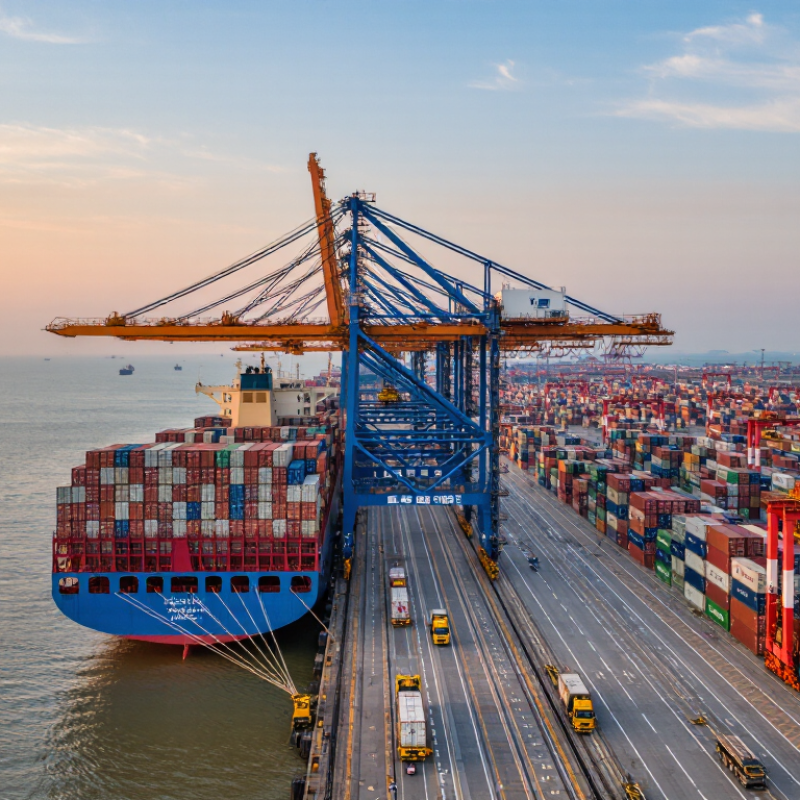
2026 Top Ocean Freight Forwarders for Global Buyers

Global Ocean Freight Scope: Over 80% of World Trade Moves by Sea

2026 Top Ocean Freight Forwarders for Global Buyers

Global Ocean Freight Scope: Over 80% of World Trade Moves by Sea

More than four-fifths of global trade moves by sea, making ocean freight central to international buying. A factory order may cross several ports before reaching a warehouse. Transit can take weeks, not days. Weather, congestion, and equipment shortages can change schedules without warning.

The strongest freight forwarders in 2026 will offer more than low quotations. They should explain routing options, container space, port handling, insurance, and customs documentation clearly. Reliable teams provide shipment milestones, container updates, and realistic arrival windows. I have found that simple communication often prevents expensive mistakes. One missing document can delay cargo for days.

Port knowledge matters. A forwarder familiar with origin terminals can identify cutoff times and seasonal bottlenecks. Buyers should compare full landed costs, not only the ocean rate. Ask about detention, demurrage, storage, and destination handling before booking. Ask again.

No ranking is perfect. Service quality can vary by route, season, and local partner. A forwarder may perform well between two ports but struggle elsewhere. Buyers should review recent delivery records, response times, claims procedures, and contingency plans. Small details reveal operational discipline: accurate booking confirmations, consistent tracking, and quick explanations when plans change. Reliability is built shipment by shipment.

2026 Ranking Criteria: TEUs, Global Offices, Routes, and Service Quality

2026 Top Ocean Freight Forwarders for Global Buyers

2026 Ranking Criteria: TEUs, Global Offices, Routes, and Service Quality

A credible 2026 ranking should begin with verified container volume, measured in TEUs. High TEU activity can reveal purchasing power and carrier access. However, volume alone does not prove reliable service. Some figures may reflect group reporting rather than direct shipment control. That limitation deserves clear disclosure.

Global office coverage is another practical measure. Local teams can inspect documents, coordinate port changes, and resolve customs questions faster. A useful review should examine staffed locations, not just website listings. One office in a major port may outperform five lightly supported branches. Office quality is difficult to measure perfectly.

Route strength should include port pairs, sailing frequency, inland links, and seasonal resilience. Buyers need more than a long destination list. They need stable schedules from production areas to final distribution points. Service quality can be tested through response times, booking accuracy, milestone updates, and claims handling. Ask for evidence from recent shipments.

Real experience often exposes the gaps. A forwarder may offer competitive rates but provide vague delay updates. Another may communicate well but lack capacity during peak seasons. Rankings should combine audited data, customer interviews, shipment records, and operational observations. Even then, results remain imperfect because trade lanes change quickly. This ranking method should be reviewed regularly, not treated as permanent.

Leading Forwarders Compared by Network Capacity and Carrier Partnerships

Global buyers should assess ocean freight forwarders by usable network capacity, not impressive port lists. A strong network connects origin factories, transshipment hubs, and destination terminals through stable weekly sailings. It should also show available container allocations during peak seasons. Ask how many carrier partnerships support each trade lane. One contract may look efficient, but several options can protect shipments when schedules change.

Capacity must be measured in practical details. Check equipment access at inland depots, average booking lead times, and alternative routes between major ports. A forwarder serving several carrier networks may secure space when one service cuts weekly departures. However, more partnerships do not always mean better control. Compare contract terms, allocation guarantees, rollover rates, and communication procedures. Small differences matter when cargo waits beside a factory loading bay.

Reliable providers explain their data clearly. Request recent performance records, including schedule reliability, port congestion responses, and claim handling times. Local teams should understand customs documents, container release procedures, and warehouse cut-off hours. Digital tracking helps, but human support remains important during missed connections. No network is perfect. Even experienced forwarders can misjudge seasonal demand or equipment shortages. Buyers should challenge optimistic promises and test the contingency plan with a realistic shipment scenario, including a delayed feeder, limited chassis, or sudden terminal closure.

Digital Freight Performance: Tracking, Booking Speed, and Data Visibility

For global buyers, ocean freight performance now depends on digital execution, not only vessel capacity. The World Bank’s 2023 Logistics Performance Index gave tracking and tracing an average score of 3.3 out of 5. Timeliness scored higher, at 3.6. This gap shows a practical problem: cargo may arrive on time, while buyers still lack reliable shipment visibility.

A capable forwarder should confirm bookings quickly and display clear milestones. These include container release, gate-in, vessel departure, transshipment, and discharge. Data should arrive with timestamps, not vague status labels. UNCTAD’s Review of Maritime Transport 2024 reported that global seaborne trade grew by 2.4% in 2023. Higher volumes make accurate exception alerts more valuable, especially when schedules change at busy ports.

A useful dashboard should also connect booking data with purchase orders, arrival estimates, and document checks. Yet digital visibility is not perfect. A green status can remain unchanged while a customs document waits in an inbox. This is where human review still matters. Buyers should test booking speed using real lanes, not demonstrations. Measure response time, update frequency, data accuracy, and escalation quality. The best system may still fail during disruption. Honest performance reporting is more useful than polished screens.

Buyer Cost Analysis: Rates, Transit Times, Surcharges, and Customs Support

In 2026, ocean freight quotes should be compared as landed-cost estimates, not headline prices. A 40-foot container may show a low base rate, yet origin handling, documentation, fuel, congestion, and destination fees can change the invoice. Ask for a line-by-line quote with validity dates. Short quote windows matter.

Transit time is rarely a single number. Port pairs, sailing frequency, transshipment, and inland delivery affect arrival dates. A quoted 28-day route can become 35 days after rolled cargo or port congestion. Build a seven to ten-day buffer into production planning. It feels wasteful, but missed delivery windows cost more. Rates also shift with seasonality and equipment availability.

Customs support deserves equal attention. An experienced forwarder should check commercial invoices, packing lists, tariff classifications, and origin details before departure. They should explain broker responsibilities and duty calculations clearly. Request examples of exception reports, not polished promises. One weakness remains common: destination charges appear after arrival. No comparison is perfect. Compare total cost, response times, document accuracy, and escalation procedures together. The cheapest quote is not always cheaper.

2026 Top Ocean Freight Forwarders for Global Buyers

Buyer Cost Analysis: indicative ocean freight cost structure, transit time, surcharges, and customs support by major global trade lane.

The figures are rounded 2026 planning benchmarks based on publicly reported market ranges. Costs are shown in USD per 40-foot equivalent unit, while transit time represents typical port-to-port sailing time. Actual quotations vary by season, equipment availability, fuel prices, routing, port congestion, and customs requirements.

FAQS

Why are TEUs used when ranking ocean freight forwarders?

TEUs show container activity, purchasing power, and possible carrier access. High volume helps. However, TEUs alone cannot prove reliable service or direct shipment control.

Does a large office network guarantee better freight service?

No. Staffed local offices matter more than listed locations. A capable port team can check documents and handle customs questions quickly. Five weak branches may perform worse than one experienced office.

What makes a shipping route genuinely useful for global buyers?

Review port pairs, sailing frequency, inland connections, and seasonal stability. A long destination list is not enough. Buyers need dependable movement from factories to distribution centers.

Which service quality measures should buyers examine?

Check booking accuracy, response times, milestone updates, and claims handling. Ask for evidence from recent shipments. Polished promises can hide slow problem solving.

What shipment milestones should a digital tracking system display?

Useful milestones include container release, gate-in, vessel departure, transshipment, and discharge. Each update should include a timestamp. “Moving” is too vague.

Why is tracking important if cargo arrives on time?

Buyers may still face uncertainty during production, inventory planning, and port changes. Reliable tracking supports earlier decisions. Arrival timing alone is not enough.

How can buyers test digital freight performance before choosing a provider?

Use a real shipping lane instead of a demonstration. Measure booking speed, update frequency, data accuracy, and escalation quality. Small tests reveal uncomfortable gaps.

Can a dashboard replace human support?

No. A green status may hide an unanswered customs document. Human review remains necessary during disruptions. Technology helps, but it is not flawless.

Should buyers treat a 2026 freight ranking as permanent?

No. Trade lanes, port conditions, and seasonal capacity change quickly. Rankings should combine verified data, interviews, shipment records, and operational observations. Even careful rankings remain imperfect.

Conclusion

In 2026, Ocean Freight Forwarding remains essential to global commerce, with more than 80% of world trade moving by sea. This guide explains how leading forwarders are evaluated through measurable factors such as annual TEU capacity, worldwide office coverage, route diversity, service reliability, and carrier partnerships. It compares providers by their ability to secure vessel space, manage international connections, and support buyers across major trading regions.

The review also examines digital freight performance, including real-time tracking, booking speed, document management, and data visibility. For purchasing teams, it offers a practical cost perspective by considering freight rates, transit times, fuel and peak-season surcharges, port-related fees, and customs assistance. Together, these criteria help global buyers identify forwarding partners that balance network strength, transparent pricing, operational efficiency, and dependable support for compliant international shipments.


Elowen

Elowen

Elowen is a dedicated marketing professional with a strong understanding of product strategy, customer needs, and the evolving digital marketplace. As a core member of the company’s communications team, Elowen regularly contributes insightful, practical, and well-researched articles to the company......