Moving oversized machinery, industrial components, or construction equipment takes more than a powerful truck. Heavy Haulage Abnormal Loads require careful planning, accurate measurements, suitable equipment, and clear communication. A few centimetres can affect bridge clearance, turning space, or loading arrangements. Small details matter.
Before transport begins, confirm the load’s weight, dimensions, lifting points, and centre of gravity with reliable records. Then discuss the move with an experienced carrier and check route conditions, access points, weather risks, and any required permissions. Requirements vary by location, load, and route, so verify them with the relevant authorities rather than relying on assumptions. A route that looks clear on a map may still have a tight junction or a weak access road.
The seven tips below cover practical steps, from choosing the right trailer to preparing the delivery site. They are intended to support sound decisions, not replace a professional route assessment or local guidance. Plans can change; that is frustrating, but a confirmed adjustment is safer than forcing an unsuitable schedule. Use the checklist as a starting point, record important decisions, and ask qualified transport professionals to review details that remain uncertain.
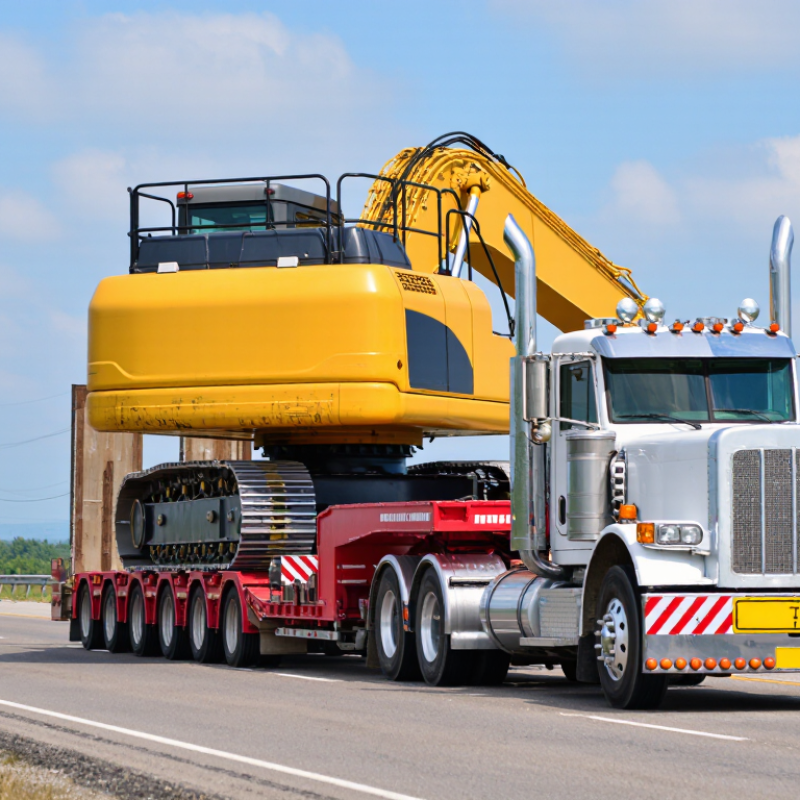
Before choosing a trailer, record the load’s full length, width, height, and verified weight. Measure protrusions, not just the main frame. A valve, lifting lug, or uneven skid can alter clearance and loading plans. Note the centre of gravity, approved lift points, and whether the item can tolerate tilting or vibration. Small details matter.
The Federal Highway Administration’s Bridge Formula guidance describes an 80,000-pound general Interstate gross-weight ceiling, while axle-group limits depend on axle count and spacing.
Gross weight alone is not enough.
Map the proposed axle configuration against the load’s weight distribution, then verify bridge, turning, overhead, and surface constraints along the route. Confirm applicable limits with the relevant transport authorities. For handling, ask the lifting team to review the load chart, rigging angles, and ground conditions before loading.
A load may look balanced on paper, yet a dense component mounted off-centre can shift pressure onto one axle. That is easy to miss. I would recheck dimensions after protective packing; packaging often changes the actual footprint.
Heavy abnormal loads need equipment matched to the cargo, not merely a trailer with enough deck space. Start with verified weight, length, width, height, and center of gravity. A low-loader may suit a tall machine, while a modular trailer can spread a heavy load across more axles. Check axle capacity, deck height, turning space, and loading method with a qualified transport planner. Small details matter.
Choose ramps, winches, and loading aids that suit the cargo’s condition and lifting points. Before loading, inspect the deck for damage, oil, or loose material. Position the cargo to balance axle loads and limit side movement. Use rated chains or straps, blocking, and edge protection suited to the cargo and restraint points. Secure it in multiple directions, following equipment ratings and applicable transport requirements.
After tensioning, inspect every connection and check again after a safe stop; vibration can loosen restraints. Photos can help crews compare the setup during later checks. Even a careful plan can miss a detail, such as a machine’s true center of gravity differing from its drawing. Pause. Reassess instead of adding random straps, and confirm any revised arrangement with a competent person before departure.
A heavy-haul route is more than a line between two points. Check the load’s total height, width, length, and axle weights against bridge clearances, posted limits, and local restrictions. FHWA’s 2023 National Bridge Inventory lists more than 42,000 bridges in poor condition. That does not automatically mean a bridge is restricted, but it is a reason to verify current postings and approved crossing details.
Small details matter.
Measure the load on the actual trailer, including ramps, tires, and removable fittings. Compare those figures with bridge and overhead clearances, then inspect the approach roads for low wires, narrow turns, steep grades, and weak shoulders. A map may show a wide road while a gate or tight junction blocks the turn. Walk or drive critical access points when practical. Then verify.
Use current road-authority information, not an old route file. FHWA’s Freight Analysis Framework projects U.S. freight tonnage will grow about 50% from 2022 to 2050, underscoring the pressure on shared corridors. That forecast is not a permit check; each bridge, road limit, and access point still needs load-specific review. I would rather flag an uncertain turn than pretend a clean map settles it. Recheck the route shortly before departure, since construction and temporary restrictions can change the plan.
Before moving an abnormal load, confirm which permits apply to the vehicle, cargo dimensions, weight, and planned route. Requirements vary by jurisdiction, so check directly with the relevant permitting authorities and allow time for review. A permit is not a route survey. Check bridge limits, overhead cables, narrow turns, roadworks, and suitable stopping areas; record any clearance measurements that need verification.
Arrange qualified escort vehicles when permits or route conditions require them. Agree on the route, radio channel, hand signals, and safe pull-off points before departure. Keep the driver, escorts, and dispatch contact aligned if traffic or weather changes the plan. Details matter. A quick briefing beside the parked vehicle can expose gaps that paperwork misses, though it should not replace formal checks.
Inspect tie-downs, lights, warning signs, tires, and communication equipment before loading and again before departure. Secure the load using methods appropriate to its shape and weight, and follow applicable safety rules. Keep the permit and emergency contacts accessible. Stop in a safe place if a strap loosens or visibility drops. Plans change. I would still recheck a route after approval; relying on an old survey can be a costly mistake.
| Tip | Planning Area | Key Actions | What to Verify |
|---|---|---|---|
| 1 | Confirm load details | Record the load’s actual weight, length, width, height, shape, center of gravity, and lifting or tie-down points. Include the trailer and tractor dimensions and axle configuration. | Use measured figures and accurate equipment specifications; permit applications and route checks depend on the complete vehicle-and-load combination. |
| 2 | Check permit requirements | Contact the relevant road or transport authorities for every jurisdiction on the route. Apply for the required oversize or overweight permits before moving the load. | Confirm permitted routes, travel dates and hours, speed conditions, required notices, and any special conditions. Requirements differ by jurisdiction. |
| 3 | Survey the route | Assess the proposed route for bridge limits, overhead clearances, narrow roads, turning space, roadworks, rail crossings, and other potential restrictions. | Check current authority information and arrange a physical survey where needed. Do not rely on standard navigation apps for heavy-load clearance decisions. |
| 4 | Arrange escorts | Determine whether pilot vehicles, certified escort personnel, or police escorts are required by the permit or local rules. Coordinate positions, communications, and meeting points. | Confirm escort numbers, qualifications, vehicle equipment, and operating instructions with the relevant authority and escort provider. |
| 5 | Select suitable transport equipment | Choose a tractor, trailer, axle configuration, and loading method appropriate to the load’s weight, dimensions, and center of gravity. Check vehicle capacity and condition. | Verify axle and gross-weight limits, tire condition, braking systems, lights, and any required engineering or equipment documentation. |
| 6 | Secure and protect the load | Use suitable restraints, blocking, and support points to prevent movement. Distribute the load appropriately and protect it from damage during handling and transit. | Ensure the securement method complies with applicable regulations and the equipment manufacturer’s instructions; inspect restraints before departure and during the journey as required. |
| 7 | Prepare the movement and safety plan | Brief the driver and escorts on the approved route, permit conditions, communications, contingency arrangements, and procedures for stopping safely. | Carry permits and required documents, check weather and road conditions, and confirm that the vehicle, load, escorts, and schedule meet all applicable safety requirements. |
Permit, escort, vehicle, and safety requirements vary by jurisdiction and by the dimensions and weight of the complete transport combination. Confirm current requirements with the relevant authorities before dispatch.
Before loading, confirm the cargo’s verified dimensions, weight, lifting points, and required support equipment. Compare these details with the route survey, including bridge clearances, tight turns, roadworks, and safe stopping areas. Ask the shipper, carrier, and receiving site to agree on contacts and arrival windows. Small details matter. Share the approved route and any required movement conditions with everyone involved, then confirm them again before departure.
At pickup, photograph the load and restraints, and record departure time and condition. Use scheduled check-ins at practical route points, not constant messages that distract the driver. A coordinator can compare progress against the delivery window and flag weather, traffic, or access delays early. Plans can drift. Build in some slack, and update the receiver when timing changes; silence creates avoidable confusion. If the vehicle must stop or reroute, pause movement until the responsible team reviews the change and confirms it is suitable. At delivery, check site access, unloading equipment, and the agreed handover process before the vehicle arrives. Record arrival, load condition, and any differences from the plan. A checklist helps, though it will not catch every surprise.
Record the load’s full length, width, height, and verified weight. Include valves, lifting lugs, and uneven skids. Packaging can change the footprint.
A dense part mounted off-centre can place extra pressure on one axle. Check the proposed axle layout against the load’s weight distribution. Gross weight alone is not enough.
General Interstate guidance sets an 80,000-pound gross-weight ceiling, while axle-group limits depend on axle count and spacing. Confirm the applicable limits with transport authorities.
Review the load chart, rigging angles, approved lift points, and ground conditions. Also check whether the item can tolerate tilting or vibration. Small details matter.
Measure the load on the actual trailer, including ramps, tires, and removable fittings. Compare its height and width with bridge and overhead clearances.
A narrow turn, low wire, steep grade, weak shoulder, or small gate may block access. A map can miss these details. Walk or drive critical points when practical.
No. A poor-condition listing does not automatically show a restriction. Check current postings and approved crossing details for the specific route.
Recheck shortly before departure. Construction and temporary restrictions can change the plan. An old route file may feel reassuring, but it may not be current.
Shipping Heavy Haulage Abnormal Loads safely begins with understanding exactly what is being moved. Measure the load, confirm its weight, and identify any special handling or lifting needs before choosing suitable vehicles and support equipment. Secure the load carefully to limit movement during transit, and check that the vehicle and securing methods are appropriate for the shipment.
Next, plan a practical route by checking clearances, road weight limits, turning space, and access at both ends of the journey. Arrange the necessary permits, escorts, and safety measures in advance, allowing time to address potential obstacles. Keep everyone involved informed, coordinate pickup and delivery schedules, and monitor the shipment as it travels. Clear communication and preparation at each stage help reduce delays, protect the load and road users, and ensure Heavy Haulage Abnormal Loads reach their destination smoothly.