China Best Customs Clearance Services for Global Buyers? The answer depends on more than a low service fee. Reliable Customs Clearance Services should combine accurate documentation, practical experience, responsive communication, and clear knowledge of China’s export procedures and the destination market.
Lars Karlsson, a former World Customs Organization capacity-building expert, once stated, “Customs is not a barrier to trade; it is a facilitator of trade.” That principle matters for global buyers. A capable service provider checks commercial invoices, packing lists, HS classifications, certificates, and shipment values before cargo leaves the factory. One small mismatch can delay a container at the port. Sometimes, the issue is only a missing unit of measurement.
Experienced customs teams also understand product differences. Electronics, machinery, textiles, food-related goods, and industrial components may require different documents or inspection arrangements. They should explain these requirements in plain English. They should not promise instant clearance. That promise sounds attractive, but it is rarely responsible.
The best partner provides shipment tracking, pre-clearance reviews, duty estimates, and regular updates. A useful contact should answer when the cargo is still in transit. Not two days later.
However, no provider is perfect. Regulations change, documents contain human errors, and customs authorities make independent decisions. Global buyers should compare licenses, client references, industry experience, insurance coverage, and written service terms. Price matters, but reliability matters more.
This guide examines how to evaluate China-based Customs Clearance Services, identify practical strengths, and avoid costly assumptions. The process can be improved, but never treated as automatic.
Understanding Customs Clearance Services in China
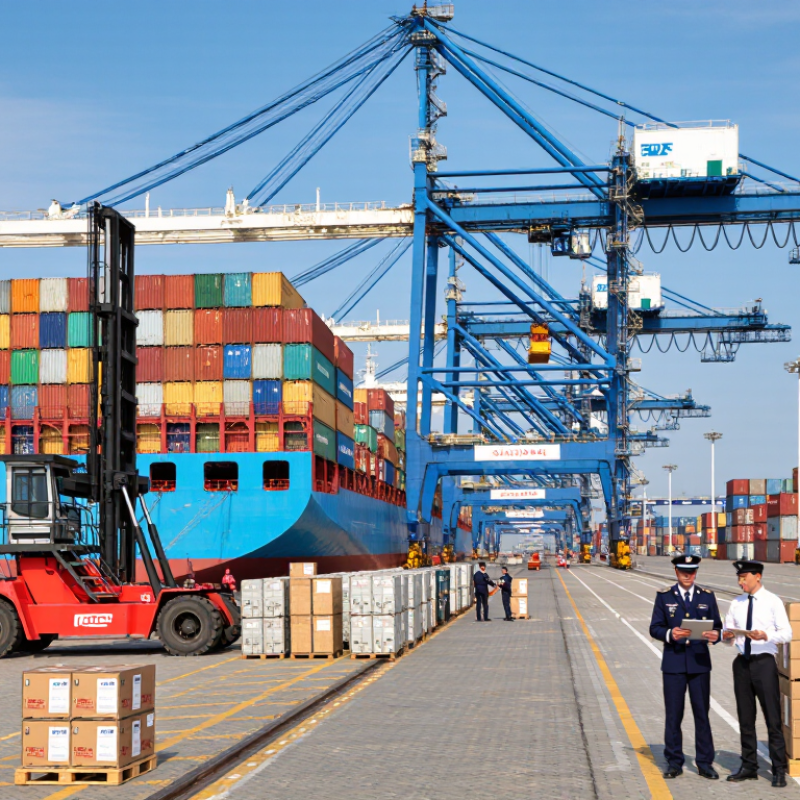
China customs clearance services connect overseas buyers with declarations, document checks, duty assessment, and cargo release. The World Bank’s Logistics Performance Index 2023 gave China a customs score of 3.0 out of 5. This indicates solid capacity, but also room for improvement. Clearance speed still depends on accurate HS classification, realistic values, and complete paperwork. A commercial invoice, packing list, bill of lading, and origin documents should match precisely. Small differences can trigger questions. Sometimes, one missing detail delays an entire shipment.
Experienced customs professionals review product descriptions before filing. They also check import licenses, valuation rules, inspection requirements, and destination procedures. The World Customs Organization’s Time Release Study approach shows why measurement matters: importers should track declaration time, inspection time, and release time separately. This creates useful evidence, rather than relying on assumptions. In practice, buyers should request a written service scope. It should explain who handles corrections, duty payments, warehouse communication, and customs inquiries. No process is perfect. Even careful teams can overlook a changing local requirement.
Tips: Prepare documents before cargo departure. Use clear product names and consistent quantities. Ask for a pre-clearance document review. Keep shipment records for future comparisons. The UNCTAD Review of Maritime Transport reports that over 80% of global trade moves by sea, so port congestion can affect otherwise correct declarations. Build a small time buffer. It is often more realistic than promising exact release dates.
| Service Area | What the Service Covers | Typical Buyer Documents | Typical Processing Time* | Main Cost Components | Common Risk or Delay | Recommended Control |
|---|---|---|---|---|---|---|
| Import Declaration Preparation | Preparation and electronic submission of import declaration data to China Customs. | Commercial invoice, packing list, transport document, sales contract, and product information. | Usually 1–2 business days after complete documents are received. | Declaration service fee, document handling, and any correction charges. | Inconsistent product descriptions, quantities, values, or package details. | Use consistent information across the invoice, packing list, bill of lading, and declaration. |
| HS Code Classification | Determination of the appropriate Harmonized System code, product description, and declaration elements. | Product name, material, function, specifications, model, composition, and technical documentation. | Often 1–5 business days for standard products; longer for complex goods. | Classification review fee and possible consultation or ruling-related costs. | Incorrect classification can affect duty, import controls, and inspection requirements. | Obtain a written classification rationale and verify the current tariff treatment before shipment. |
| Duty and Import Tax Calculation | Calculation of customs duty, import value-added tax, and other applicable import charges. | Commercial invoice, freight and insurance details, HS code, origin information, and transaction terms. | Usually completed before declaration when commercial data is available. | Customs duty, import VAT, possible consumption tax, port charges, and payment service fees. | Declared value, freight, royalties, assists, or related-party pricing may require review. | Prepare a transparent valuation file and retain contracts, invoices, and payment records. |
| Import License and Permit Review | Verification of whether the goods require an import license, quota, registration, or other approval. | Product specifications, certificates, end-use information, safety documents, and importer details. | Several days to several weeks, depending on the product and approval authority. | Application fees, testing or certification costs, storage, and possible inspection charges. | Controlled products may not be released without the required permit or registration. | Check regulatory requirements before production and before the shipment is booked. |
| Inspection and Quarantine Coordination | Coordination of customs inspection, commodity inspection, sampling, and release procedures where applicable. | Product labels, test reports, certificates of analysis, packing details, and conformity documents. | Additional time may range from 1–10 business days or more, depending on inspection results. | Inspection, sampling, laboratory testing, storage, handling, and re-packing costs. | Missing labels, non-conforming packaging, or discrepancies between goods and documents. | Review Chinese labeling and packaging requirements before dispatch. |
| Certificate of Origin Support | Collection and review of origin evidence for tariff treatment or buyer compliance requirements. | Supplier declaration, manufacturing information, commercial invoice, and applicable origin forms. | Commonly 1–5 business days after supporting information is complete. | Certificate issuance, document preparation, legalization, or courier charges where required. | Insufficient production records or failure to satisfy the applicable origin rule. | Confirm the destination country’s origin requirements before requesting the certificate. |
| Port, Bonded Warehouse, and Delivery Coordination | Coordination of arrival notice, terminal handling, bonded storage, customs release, and inland delivery. | Arrival notice, bill of lading or airway bill, delivery order, consignee details, and release instructions. | Delivery is commonly arranged within 1–3 business days after customs release. | Terminal handling, documentation, storage, demurrage, detention, trucking, and warehouse fees. | Late document submission can lead to storage, demurrage, or detention charges. | Send complete documents before vessel or aircraft arrival and monitor free-time deadlines. |
| Post-Clearance Record Management | Retention of declarations, invoices, permits, payment evidence, and release records for audit purposes. | Customs declaration, tax payment record, inspection documents, transport records, and correspondence. | Records should be organized promptly after release and kept according to applicable rules. | Archiving, audit support, record retrieval, and possible adjustment or compliance review fees. | Incomplete records can make later audits, duty adjustments, or dispute handling difficult. | Maintain a shipment file with consistent commercial, logistical, and regulatory records. |
*Processing times are indicative business-day ranges for properly documented shipments. Actual timing depends on cargo type, port workload, inspection requirements, permits, payment, and customs review.
Prepare a commercial invoice, packing list, bill of lading, and origin documents. Their product names, quantities, and values should match exactly. Small differences can create questions.
Delays may result from port congestion, inspections, changing requirements, or unclear product descriptions. Sea freight often needs extra time. Exact release dates are difficult to promise.
The correct HS classification supports proper duty assessment and reporting. An incorrect code may trigger questions, corrections, or additional review. Classification deserves careful checking.
The broker should review product descriptions, tariff codes, values, licenses, and inspection requirements. Ask for a written pre-clearance review. It can catch a missing detail early.
Request separate costs for brokerage, government charges, storage, examination, and corrections. A low quote may exclude important charges. Read every line.
Track declaration time, inspection time, and release time separately. These records show where delays occur. Memory is not enough.
Check relevant licensing details, trade-lane experience, references, and communication procedures. Ask who responds when cargo is delayed. A clear answer matters.
Pause filing and request corrected documents from the supplier. The broker should question unclear invoices instead of processing them blindly. Mistakes happen, even with careful teams.
Choosing the best Customs Clearance Services in China is essential for global buyers who want efficient, compliant, and predictable international trade. A reliable customs broker should have strong knowledge of import regulations, accurate communication, transparent pricing, and experience handling different product categories and shipping methods. Buyers should also understand the documents commonly required, such as commercial invoices, packing lists, bills of lading, certificates of origin, and product-related permits when applicable.
The customs clearance process generally includes document preparation, shipment declaration, review by customs authorities, duty and tax assessment, inspection when necessary, and final release of the goods. Service costs may include brokerage fees, duties, taxes, inspection charges, storage, and transportation-related expenses. Comparing providers based on compliance controls, processing speed, customer support, documentation accuracy, and overall service quality can help buyers reduce delays, unexpected costs, and regulatory risks while maintaining a smooth import process.