Direct supply of CE-certified refrigerated transit machinery, marine lashing systems, and synchronized multimodal door-to-door forwarding schedules.

Technical whitepaper guidance for international supply chain directors, cold storage procurement heads, and perishable export engineers.
In global supply chain ecosystems, cross-border cold chain logistics is governed by stringent international engineering directives. Transporting perishable cargo, biopharmaceuticals, and sensitive chemicals across changing climatic zones demands validated compliance with the European CE Machinery Directive (2006/42/EC), the Electromagnetic Compatibility Directive (2014/30/EU), and certified compliance with EN 12830 standards for continuous thermal data acquisition.
A certified cold chain warehousing supplier and exporter operates far beyond traditional dry-cargo parameters. Cold chain integrity hinges on controlling the heat transfer coefficient (K-value) within refrigerated semi-trailers, maintaining isothermal insulation barriers, managing automated refrigeration condensing units, and integrating telematics systems capable of real-time multi-sensor calibration.
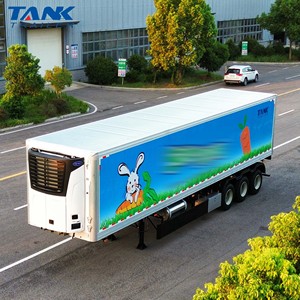
Export-grade reefer trailers and cold storage enclosures use high-pressure polyurethane composite foaming with high-density cyclopentane blowing agents, achieving certified overall heat transfer coefficients below 0.38 W/(m²·K).
CE-certified refrigeration machinery incorporates dual diesel-electric standby architectures. Systems switch seamlessly between internal combustion units and 380V/400V 3-phase shore power, maintaining constant cooling throughout intermodal transfers.
Automated temperature recorders monitor intake and return air across distinct thermal compartments. Real-time telemetry uploads air diagnostics, door-opening counts, defrost intervals, and battery charge levels directly to centralized supply chain control towers.
Procuring commercial refrigeration equipment and selecting bonded cold warehousing requires rigorous verification against thermal operating thresholds:
| Hardware / Storage Classification | Standard Operating Temperature | CE / International Compliance Standard | Insulation & Structural Architecture | Typical Industrial Application |
|---|---|---|---|---|
| Deep-Freeze Semi-Trailer (40ft Tri-Axle) | -25°C to -18°C | CE Machinery / ATP FRC Class | 100mm RPUF Sandwich Panels / Fiber-Glass Shell | Frozen Seafood, Meat Processing, Biological Plasma |
| Chilled Fresh Produce Cargo Transporter | 0°C to +4°C | CE / EN 12830 / ATP FNA Class | 80mm Composite Panels / Continuous Sub-Floor Flow | Horticulture, Fresh Dairy, Pre-packaged Delicatessen |
| Pharma Controlled Room Temp (CRT) | +15°C to +25°C | EU GDP (2013/C 343/01) / BRCGS AA+ | Aspirated Air Ducting / Redundant Evaporators | Finished Pharmaceuticals, Medical Devices, Inks |
| Multi-Temperature Zone Warehouse | -28°C / +2°C / +12°C Split | ISO 9001:2015 / CE Certified Racks | Fast-Acting Automated Doors / Air Curtains | 3PL E-Commerce Fulfilment & Retail Cross-Docking |
Key technological, regulatory, and environmental shifts reshaping global temperature-controlled warehousing and refrigerated transit procurement.
Global regulatory pressure under the Kigali Amendment and EU F-Gas Regulation (EU 2024/573) is accelerating the phase-out of R404A and R134a. Procurement teams must prioritize natural refrigerant architectures—including CO2 (R744), Propane (R290), and advanced low-GWP hydrofluoroolefins (HFOs like R452A and R454A) with Global Warming Potentials well below 150.
The standard diesel transport refrigeration unit (TRU) is being replaced by fully electric and hybrid power systems. Next-generation 3-axle trailers combine high-capacity 48V–800V lithium-iron-phosphate (LiFePO4) battery packs with kinetic energy recovery systems (KERS) mounted on trailer axles, providing continuous zero-emission cooling during long-haul transit.
High energy costs in sub-zero storage environments are driving investments in Automated Storage and Retrieval Systems (AS/RS). Modern facilities use dense oxygen-reduced environments (preventing fire risks and product oxidation) that operate without human presence, cutting building footprints by 40% and thermal losses from dock door cycles by up to 65%.
Modern cold chain operations have moved past simple setpoint alarms. Internet of Things (IoT) sensors on compressor crankcases, oil pressure lines, and defrost coils run machine learning algorithms that identify impending compressor failure or thermal boundary degradation up to 72 hours before temperatures vary.
International enterprise buyers are auditing their Scope 3 supply chain carbon emissions. Forward-thinking cold logistics hubs pair rooftop photovoltaic microgrids with large-scale industrial battery energy storage systems (BESS), running sub-zero chillers on renewable self-generation during peak utility hours.
Combining heavy active refrigerated trailers with passive PCM eutectic plate cassettes allows shippers to consolidate multiple temperature bands (-20°C, +4°C, +20°C) within a single non-partitioned vehicle, eliminating dry ice use and hazardous material surcharges in last-mile parcel distribution.
Combining three decades of international freight forwarding with company-owned, port-centric temperature-controlled facilities.
We manage physical trucking, ocean container booking, bonded warehousing, and multi-jurisdiction customs clearance under one roof. Our clients eliminate subcontractor finger-pointing when unexpected port delays occur.
Our owned logistics facilities sit adjacent to the UK's busiest deep-sea container terminal at Felixstowe, the Port of Ipswich, London Heathrow Airport, and Liverpool. Cargo unloads and enters temperature-controlled storage without intermediate road haulage delays.
Our storage operations hold the BRCGS AA+ grade for unannounced facility audits, alongside ISO 9001:2015 quality registrations. Food, beverage, nutraceutical, and pharmaceutical brands rely on our verified hygienic standards.
Imported inventory can enter our bonded temperature-controlled facilities with customs duty and import VAT fully suspended. Consignments can be cleared in smaller, on-demand batches or re-exported without incurring unnecessary domestic tax liabilities.
We achieved operational carbon neutrality five years ahead of the UK's 2030 benchmark, backed by roof solar arrays and electric materials handling equipment. We deliver granular Scope 3 carbon reporting per consignment to support your ESG audits.
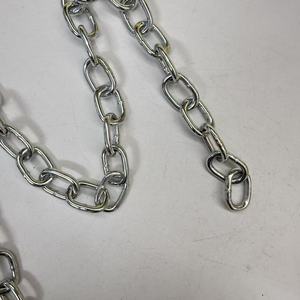
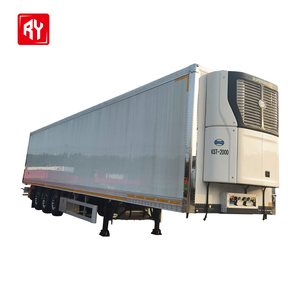
We bridge heavy mechanical machinery export and everyday freight distribution. From sourcing custom 40ft insulated reefer semi-trailers to providing specialized marine welded lashing chain, we supply every link of the temperature-controlled chain.
Direct technical and operational answers to common questions asked by supply chain managers, procurement officers, and international importers.
Consult with our international cold chain logistics engineers and equipment export specialists. We provide tailored quotations for CE-certified reefer transport, bonded cold storage, and end-to-end multimodal forwarding.
