Explore our industrial hardware, specialized reefer trailers, transport lashing assemblies, and worldwide door-to-door multimodal routes engineered for seamless global distribution.
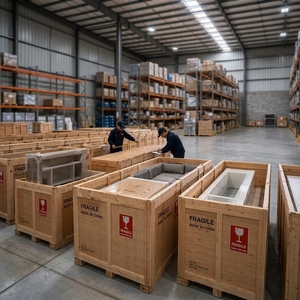
Specialized abnormal load handling integrated with national last-mile delivery partners via DHL, UPS, and FedEx hubs across Great Britain.
Comprehensive FCL and LCL ocean transport services featuring duty-paid customs brokerage, port-centric devanning, and automated billing.
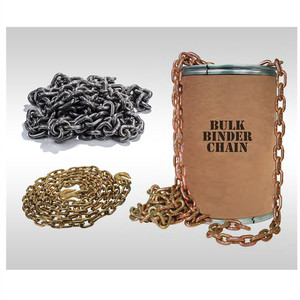
Industrial heavy-duty welded zinc-plated alloy binding chain equipped with forged twin clevis grab hooks for secure flatbed tie-down compliance.
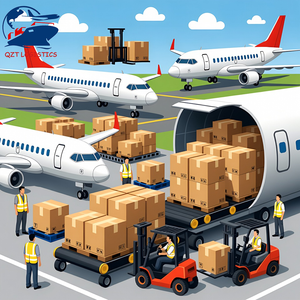
B2C and B2B dedicated line air parcel consolidation, complete with integrated VAT IOSS import clearances and rapid last-mile European delivery.
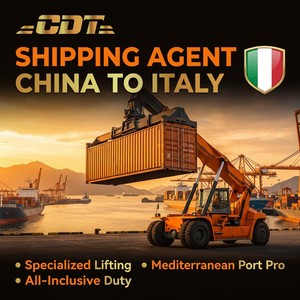
Time-definite air freight consolidation for high-value commercial pallets, including customs documentation, prepaid tariffs, and bonded transit.
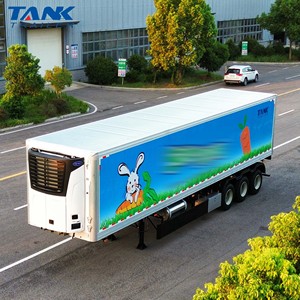
Heavy-duty insulated refrigerated trailer engineered for frozen produce, seafood, pharmaceuticals, and temperature-sensitive intermodal hauls.
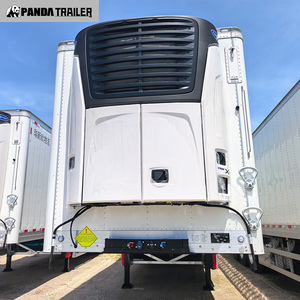
High-tensile steel cold storage logistics trailer designed for severe road conditions, exceptional thermal insulation, and bulk food safety.
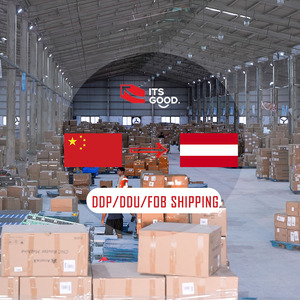
Pan-European door-to-door network handling inland container haulage, customs fiscal representation, bonded storage, and automated routing.
International freight procurement has progressed from transactional space reservations to a complex discipline of risk management, automated customs protocols, and multimodal route engineering. Sourcing manufactured goods from Chinese industrial hubs requires seamless synchronization across inland export packing facilities, deepwater terminal gates, intercontinental maritime routes, and destination port clearance infrastructures. Without structured operational governance, supply chain velocity is frequently hampered by unanticipated detention costs, tariff classification misalignments, and compliance hold-ups at borders.
Industrial enterprises and cross-border volume shippers achieve sustainable margin protection by implementing Port-Centric Logistics Frameworks. Integrating origin container stuffing with direct customs documentation clearance eliminates multiple cargo handling handovers. In particular, managing UK and European trade routes requires direct integration with systems such as HMRC's Customs Declaration Service (CDS) and the European Union's Import Control System 2 (ICS2). Working with an established logistics exporter equipped with proprietary bonded warehousing networks and an in-house customs regulatory bureau transforms international transportation from an unpredictable operating expense into a verifiable competitive advantage.
| Logistics Route Channel | Optimal Consignment Criteria | Transit Velocity (Origin China) | Documentation & Compliance Checkpoints | Procurement Cost Profile |
|---|---|---|---|---|
| Ocean Freight FCL (Full Container) | High-volume industrial freight (>15 CBM), uniform machinery, consumer goods | 28 - 38 Days (Direct Port-to-Port) | Bill of Lading, Commercial Invoice, Packing List, Certificate of Origin | Lowest cost per metric ton; optimized for planned manufacturing production runs |
| Ocean Freight LCL (Groupage / Consol) | Small-to-medium palletized batches (1 - 14 CBM), flexible replenishment cycles | 33 - 45 Days (Including CFS Devanning) | Itemized HS Code verification, individual package labels, bonded storage docs | Variable volumetric tier pricing; eliminates minimum full-box empty cargo space waste |
| Direct Air Freight Express | High-value microelectronics, pharmaceutical goods, critical plant components | 3 - 7 Days (Airport-to-Airport) | Air Waybill (AWB), IATA Dangerous Goods Declarations, Dual-Use Certification | Premium rate tier based on chargeable volumetric weight calculation ratio (1:6000) |
| Multimodal Heavy Haulage & OOG | Industrial extrusions, transformers, civil infrastructure structures, modular rolling stock | Customized Project Timeline | Specialized Route Survey Clearances, Overweight Transit Permits, Escort Accreditations | Customized project budget; structural engineering and securing hardware included |
A core consideration for supply chain directors is cargo security and stabilization during ocean transit. As maritime carriers implement slow-steaming strategies across open waters, prolonged exposure to dynamic ship motions—including roll, pitch, heave, sway, surge, and yaw—demands high-strength cargo securing hardware. Utilizing US Standard G70 Transport Chains alongside specialized blocking, bracing, and export case packing mitigates structural damage risks and maintains insurance liability compliance across all marine cargo insurance clauses.
Explore the macro-technological and legislative shifts reshaping trade routes, warehouse distribution models, and fleet operations over the coming decade.
Global trade agreements and changing tariff regimes require automated HS code classification engines. Modern procurement networks adopt AI-driven customs databases that analyze material composition against localized Free Trade Agreements (FTAs) to minimize duty exposure and ensure audit compliance.
Perishable food items, biological vaccines, and delicate agrochemicals require continuous temperature verification. Modern reefer semi-trailers integrate real-time satellite IoT sensors that stream cargo bay temperatures, door-opening alerts, and GPS coordinates directly into enterprise cloud platforms.
Shippers are transitioning away from inland central consolidation warehouses in favor of port-adjacent bonded facilities. By positioning devanning and sorting facilities directly inside marine port perimeters like Felixstowe or Ipswich, businesses avoid inland container repositioning charges and delay VAT payments until final domestic dispatch.
How structural engineering, metallurgic advances, and digital platforms are enhancing containerization, highway haulage, and warehouse distribution systems.
Contemporary heavy-duty semi-trailers incorporate specialized alloy chassis structures engineered with 20Mn2A and high-yield steel configurations. This engineering design lowers tare weight, reduces diesel fuel burn rates, and increases maximum payload capacity without sacrificing structural integrity on demanding routes.
Load binding technologies have advanced from standard tie-downs to heat-treated Grade 70 transport systems that meet stringent DOT, FMCSA, and European EN12195 securing requirements. These assemblies maintain consistent tension and resistance to metal fatigue during long-distance intermodal hauls.
Modern distribution terminals utilize automated storage and retrieval systems (ASRS), solar-powered temperature-controlled chambers, and electric heavy-handling forklifts. These facilities integrate directly with customs databases to expedite turnaround times and minimize Scope 1 and Scope 2 operational emissions.
Combining factory-direct asset manufacturing with over three decades of international freight forwarding, customs clearance, and port-centric distribution infrastructure.
Operating dedicated customs brokerage hubs and bonded warehouses adjacent to Felixstowe, Port One Suffolk, London Heathrow, and Liverpool. We devan containers directly at port gates, reducing unnecessary inland trucking costs and demurrage exposure.
Our operational management systems are validated through external quality audits. We maintain the highest BRCGS AA+ rating for unannounced storage and distribution compliance, alongside official IATA air freight forwarder accreditations.
Recognized as an early carbon-neutral business ahead of the UK's 2030 target, our warehousing is powered by rooftop solar generation arrays and low-emission fleets, supplying shippers with verified Scope 3 environmental emissions reporting.
Direct technical answers to common queries from global procurement managers, logistics engineers, and overseas trade partners.
Connect with our senior logistics engineers and trade compliance specialists to optimize landed costs, secure vessel allocations, and configure dedicated transport infrastructure.
Get a Quote