
Navigating global trade show logistics demands unmatched engineering precision, rigid adherence to temporal delivery milestones, zero-margin customs brokerage, and synchronized multi-modal logistics handling. This authoritative technical guide establishes the standard operating framework for procurement specialists, exhibition event organizers, and multinational manufacturing corporations sourcing exhibition freight management directly from Chinese industrial infrastructure.
Direct factory-to-hall distribution services and mission-critical hardware designed to support extreme-payload equipment installations, high-speed venue arrivals, and resilient industrial displays.

Unlike static retail fulfillment, exhibition forwarding requires a dynamic framework addressing strict time targets, fluctuating customs declarations, and complex on-site management.
Exhibition freight moving under temporary importation relies heavily on ATA Carnet documentation or Temporary Importation under Bond (TIB) systems. Our in-house specialists prepare, review, and validate customs carnets in China, ensuring that items like prototypes, presentation modules, and stage hardware bypass duty liabilities while strictly abiding by international customs re-export deadlines.
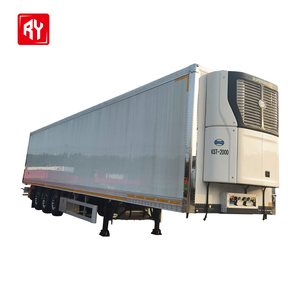
Exhibition halls enforce strict marshalling schedules. We manage vehicle wait lines, prioritize offloading windows, operate venue cranes, and provide dedicated drayage services straight to booth stands. Once unloaded, we log, warehouse, and return empty crates (EMPTIES management) right after the show concludes to ensure rapid teardown and packout.
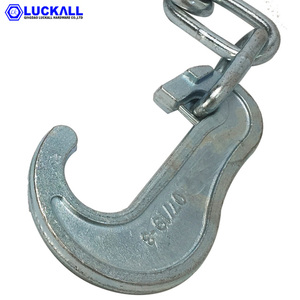
Heavy machinery displays demand certified lashing and packaging engineering. We offer bespoke export packing that adheres to ISPM-15 phytosanitary wood compliance, alongside high-strength G80 load security chains, custom steel-framed cradles, and dampening shock mounts that safeguard sensitive calibrated equipment from port of origin to the exhibit booth floor.
Procurement officers are shifting from transactional shipping purchases toward resilient, data-driven logistics partnerships. These key macro and micro dynamics shape cross-border trade show shipping architectures.
Global trade hubs are standardizing electronic carnets and centralized digital risk registers. By deploying pre-cleared electronic manifests, commercial entities avoid physical documentation delays at airport border checks. Our deep API integration with international customs channels accelerates clearance times down to single-digit hours.
With corporate ESG priorities driving shipping requirements, exhibition programs now balance carbon costs against firm arrival deadlines. Sourcing pipelines use smart routing models that combine low-emission sea lanes, electrified rail freight (such as China-Europe rail corridors), and clean-fuel road delivery to lower Scope 3 greenhouse gas footprints without risking transit schedules.
For high-value equipment, robotics displays, and sensitive components, passive tracking is no longer sufficient. Modern exhibition logistics relies on connected IoT data loggers tracking GPS location, tri-axial impacts, tilt warnings, ambient temperature shifts, and humidity levels in real time, guaranteeing verifiable structural integrity throughout the show circuit.
Combining owned physical infrastructure across primary industrial centers with audited handling credentials ensures our teams manage the entire movement cycle without relying on third-party brokers.
We eliminate disjointed handoffs between separate forwarders, overseas trucking firms, and venue service desks. Our dedicated operations desk acts as a single point of contact, orchestrating door pickups in China, international air or sea linehauls, bonded storage, customs clearance, and venue placement under one managed service level agreement.
Operating under ISO 9001:2015 certified quality controls, BRCGS AA+ storage frameworks, and accredited IATA air cargo status, our operations follow proven chain-of-custody protocols that ensure delicate technology and high-value manufacturing displays reach venue halls completely undamaged.
For exhibitors managing sequential multinational roadshows (e.g., Shanghai to Frankfurt to Chicago), we organize global routing schedules, maintain bonded staging hubs near international gateways, and renew ATA Carnet filings to eliminate recurring local import taxes.
Clear, actionable answers addressing standard operational challenges, risk mitigation strategies, and timeline schedules encountered in international exhibition logistics management.
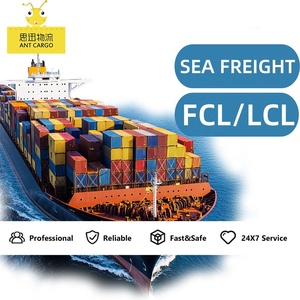
Target schedules depend heavily on the transport mode chosen and local customs processing times. For standard Ocean Freight FCL/LCL, cargo should leave China factory hubs 45 to 60 days before the hall's assigned move-in date. This window covers ocean transit (25-35 days), customs and bond inspections (3-5 days), cross-docking, and scheduled venue drayage windows. Air Freight shipments require a safer buffer of 10 to 14 days before move-in to manage pre-flight security screenings, master airway bill consolidation, customs inspection, and direct airport-to-booth transfers.
An ATA Carnet acts as an international customs document that permits duty-free and tax-free temporary importation of commercial samples, exhibition goods, and professional gear across more than 80 participating nations. By providing a financial guarantee at departure, your company eliminates standard import duties and Value Added Tax (VAT). However, every single item detailed on the carnet list must be thoroughly inspected upon entry and completely accounted for during re-exportation out of the host country. Consumable items like promotional brochures and giveaway samples must travel under separate permanent entry filings.
Our dedicated operations group uses dynamic contingency workflows to resolve unexpected delays. If customs or port congestion risks missing the designated move-in target, we coordinate immediate intervention: transitioning shipments to expedited inland haulage, requesting priority customs reviews, or, if time requires, airlifting primary display components directly from our bonded partner warehouses to guarantee timely booth presentation while ocean freight moves through standard channels.
Standard freight forwarders complete delivery at a facility loading bay or local distribution terminal, leaving the shipper to handle venue compliance on their own. Official Exhibition Drayage covers specialized venue handling: moving crates from delivery vehicles onto the exhibition floor, positioning materials inside the booth, providing crane and rigging support, storing empty containers off-site during the show, and returning crates promptly once the event concludes for repackaging and exit transit.
Yes, but cargo manifests must be clearly separated into distinct customs categories. Production machinery intended to return to origin should travel under temporary entry instruments (such as an ATA Carnet), whereas brochures, disposable giveaway gifts, and single-use booth construction components must clear under a definitive, permanent import declaration where applicable duties and local consumption taxes are paid up front.
Ensure on-time booth arrivals, eliminate border delays, and optimize your global trade show investments with fully managed, audit-backed exhibition logistics.