
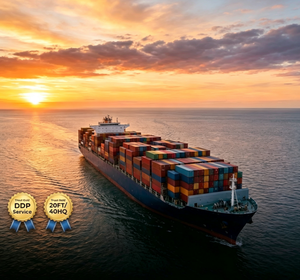
Direct integration between ISO-standard manufacturing plants, intermodal rolling stock exporters, and international multimodal delivery networks.
Decades of physical supply chain mastery delivering verifiable accountability, audited handling standards, and owned distribution nodes across Europe, the Middle East, and the Asia-Pacific basin.
Highest industry safety grade for unannounced warehouse audits. Complete quality management systems covering customs, multi-tier transit, cold storage, and dangerous goods protocol.
Direct presence at Felixstowe, London Heathrow, Port One Suffolk, Liverpool, and the Port of Ipswich. Rapid devanning, transshipment, and seamless customs release avoid demurrage penalties.
Consolidated, express, and chartered main-leg flight corridors through global hubs. Experienced handling of dangerous goods, heavy machinery spares, and high-value luxury freight.
Authorized bonded facilities enable duty and import VAT suspension until release into domestic circulation, radically optimizing corporate working capital for large-scale procurement cycles.
An exhaustive technical analysis of equipment engineering, multimodal routing, cross-border regulatory compliance, and total landed cost optimization for procurement officers.
Intermodal transport relies fundamentally on standardized, unitized loading equipment capable of transferring smoothly across heavy rail flats, ocean-going container vessels, domestic inland barges, and road haulage chassis without intermediate devanning of cargo. China's top intermodal rolling stock and container factories have transitioned beyond commodity metal fabrication to high-precision engineering governed by stringent ISO, CSC (Convention for Safe Containers), and TIR standards.
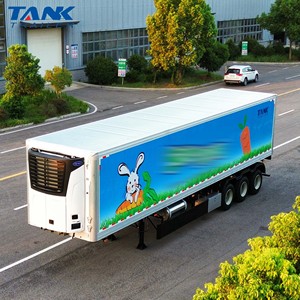
The manufacturing process of specialized intermodal assets—such as 40-foot reefer semi-trailers, curtain-siders, swap bodies, and customized ISO tanks—requires heavy atmospheric corrosion-resistant Corten steel (SPA-H), automated submerged-arc welding, and robotic polyurethane insulation foaming. For specialized food, cold-chain, and pharmaceutical lanes, modern reefer chassis incorporate dual-temperature electric-diesel hybrid refrigeration plants paired with telematics. These units transmit real-time telemetry (compressor duty cycles, core cargo temperatures, and GPS geo-fencing coordinates) directly to enterprise resource planning (ERP) architectures.
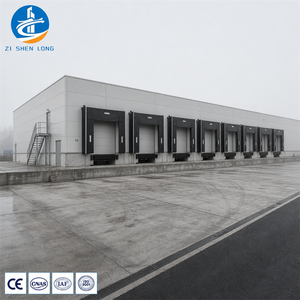
Simultaneously, modular steel prefabrication factories produce bolt-connected structural frameworks that serve as high-bay distribution centers at transport interfaces. Combining advanced engineering in physical containers with optimized inland terminal infrastructure eliminates friction at the transshipment junction, safeguarding freight integrity across thousands of kilometers of intermodal transit.
International procurement strategies frequently falter when relying entirely on a single mode of carriage. Ocean freight offers unparalleled economies of scale but remains vulnerable to port congestions, choke point blockages, and lengthy transit cycles (typically 30 to 45 days from East China ports to European base ports via standard maritime routes). Conversely, pure air freight provides rapid transit (2 to 7 days) but carries up to a ten-fold freight cost penalty and significant carbon footprint liabilities under corporate Scope 3 calculations.
Intermodal logistics resolves this operational trade-off by dynamically orchestrating multimodal solutions:
The Eurasian Sea-Rail & Land-Bridge Corridor: Utilizing standard 40GP and 45HQ containers, rail shipments departing multimodal hubs like Chongqing, Chengdu, and Xi'an cross international break-of-gauge rail hubs (such as Khorgos or Dostyk) into European hubs via Central Asia. This delivers an average door-to-door transit time of 15 to 20 days—slashing ocean transit times in half at a fraction of air transport pricing.
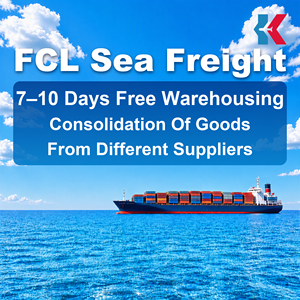
Ocean-to-Road Port-Centric Integration: Heavy containerized freight routed from major industrial export clusters (Ningbo-Zhoushan, Shenzhen, Shanghai, Qingdao) lands directly at strategic deepwater terminals like Felixstowe or Southampton. Rather than incurring costly inland rail-head demurrage or lengthy domestic road transfers, specialized hauliers provide immediate devanning, bonded consolidation, and direct-to-distribution transfers, minimizing handling shock and reducing deadhead transport mileage.
Corporate procurement of intermodal freight and equipment is undergoing systemic transformations driven by ESG mandates, supply chain digitalization, and regionalized manufacturing dynamics. Chief Supply Chain Officers (CSCOs) are no longer purchasing single-leg transport; they are contracting integrated end-to-end logistics solutions backed by the following macro trends:
Every newly built ISO intermodal container and reefer trailer integrates satellite-linked ambient sensors monitoring internal moisture, shock loads, barometric shifts, and unauthorized door breaches, enabling predictive customs entry clearance.
Enterprise buyers prioritize forwarders operating solar-powered bonded facilities, electric port-shunting fleets, and verified carbon calculation matrices, achieving corporate Scope 3 emission targets ahead of statutory 2030 deadlines.
Transition from manual bill of lading handling to automated digital manifests directly integrated into national customs processing channels (such as the UK CDS engine), eliminating border administrative bottlenecks.
Real-world evidence of complex logistics executions, multi-supplier factory consolidation, and precision infrastructure delivery.

Managed multi-supplier intermodal transport of prefabricated heavy structural pylons over a 57-kilometer route, synchronized with on-site installation schedules and stringent health and safety requirements.
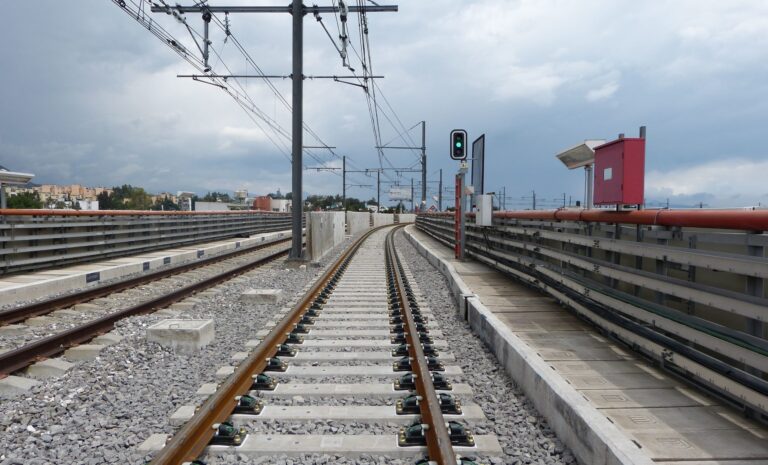
Engineered transcontinental ocean-to-rail intermodal movement of factory-assembled precision track segments, managing charter vessels, customs compliance, and synchronized yard delivery.
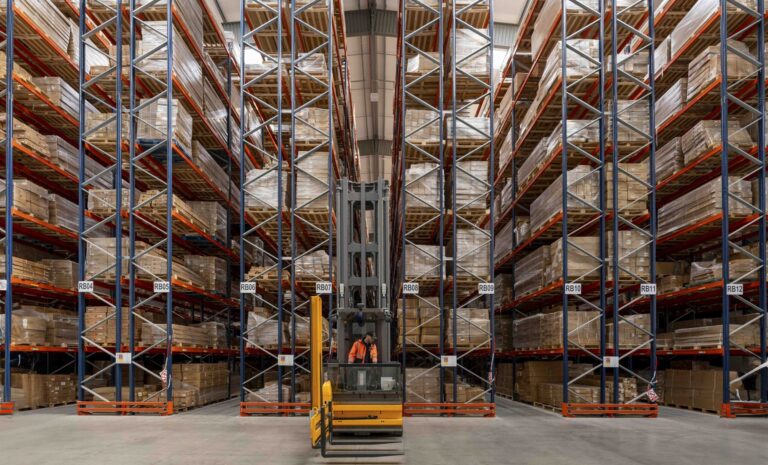
Consolidated incoming factory FCL freight through port-centric storage facilities, converting factory container runs into rapid palletized next-day commercial delivery networks.
Direct technical answers to common queries regarding multimodal contracts, Incoterms liability, asset construction standards, and customs compliance.
Connect with our senior logistics architects and freight forwarding specialists to engineer high-efficiency routes, review equipment procurement requirements, or coordinate immediate door-to-door multimodal movements.
Contact Us