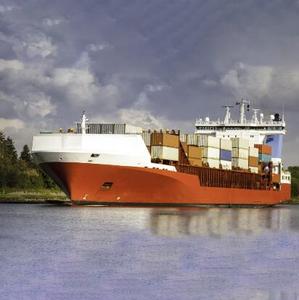
Deploying specialized abnormal equipment, heavy-gauge multi-axle modular transporters, cold-chain systems, and multi-modal breakbulk routes connecting Chinese manufacturing hubs to global infrastructure projects.
Out-of-Gauge (OOG) cargo, breakbulk operations, and heavy-lift logistics represent the critical frontier where precision structural engineering intersects with global intermodal transport. As Chinese manufacturing escalates from modular consumer assemblies to massive infrastructural assets—such as offshore wind turbine nacelles, heavy metallurgy stamping presses, data center power modularization units, and rail infrastructure assemblies—standard dry-van ISO containers no longer suffice. Moving dimensional cargo requiring Flat Racks (FR), Open Tops (OT), multi-axle Hydraulic Platform Trailers (SPMTs), and heavy-lift vessel charters demands uncompromising technical rigor, mathematical stability calculations, and end-to-end regulatory adherence.
The transportation of non-standard, heavy-lift industrial equipment requires custom stowage, lashing, and securing calculations in strict compliance with the IMO/ILO/UNECE Code of Practice for Packing of Cargo Transport Units (CTU Code). Key structural configurations include:
| Equipment / Mode | Dimensional & Payload Thresholds | Ideal Industrial Payload Applications | Critical Engineering Precaution |
|---|---|---|---|
| Flat Rack (20' / 40' FR) | Payloads up to 45,000 kg; widths exceeding 2.44m | Industrial extruders, marine engines, heavy transformers | Calculation of transverse & longitudinal acceleration forces |
| Open Top (20' / 40' OT) | Over-height payloads up to 3.8m clearance | Vertical glass panels, high-profile CNC machines | TIR-compliant tarpaulin integrity and dynamic lashing lines |
| Breakbulk & Heavy Lift | Payloads from 50 MT to over 800 MT | Refinery columns, railway stock, power generation turbines | Center of Gravity (CoG) verification, dual-crane tandem lifts |
| Multi-Axle SPMTs | 48 MT axle load distributions | Modular buildings, prefabricated bridge infrastructure | Route engineering, overhead clearances, civil bridge ratings |
Global supply chains are shifting toward integrated, single-point accountability where logistics engineering begins during product conceptualization rather than after fabrication.
Procurement directors now collaborate with marine surveyors before completing CAD manufacturing drawings. Integrating lifting lugs, stress-tested shackle points, and modular skid points during primary manufacturing avoids six-figure re-engineering costs at port terminals.
Corporate ESG imperatives mandate visibility into Scope 3 transportation emissions. Exporters are shifting out-of-gauge volumes from long-distance highway corridors to integrated barge-to-sea multimodal systems, utilizing solar-powered port hubs to meet 2030 decarbonization goals.
Procurement teams demand predictive telemetry rather than static schedules. Utilizing LiDAR scanning for overhead bridge clearance checks and dynamic 3D stowage simulations ensures zero transit disruptions across key Eurasian and transatlantic maritime trade lanes.
Decades of proprietary logistics operations, audited standards, and direct port-centric real estate ensure zero risk handover across each nodal transfer point.
Decades of field expertise orchestrating abnormal loads, mega-project infrastructure (such as Hinkley Point C pylon infrastructure and metro rail transit projects), and multi-supplier consolidations.
Direct operational terminals across key coastal gateways (Felixstowe, Port of Ipswich, London Heathrow, Liverpool), cutting unnecessary inland drayage and accelerating container devanning.
Independently audited operations accredited with ISO 9001:2015, BRCGS AA+ storage standards, IATA air cargo accreditations, and full ISPM 15 export packaging and casing facilities.
Complete regulatory governance: managing complex HS code tariff classifications, EORI registrations, duty suspensions, bonded warehousing, and seamless border clearances.
Critical operational answers for supply chain executives, industrial project managers, and global procurement specialists.
OOG cargo refers to oversized shipments that exceed the internal dimensions of standard 20ft or 40ft dry-van containers (typically exceeding 2.35m in width or 2.39m in height) but can still be mounted and secured on specialized open-top (OT) or flat-rack (FR) container equipment. Breakbulk, conversely, involves ultra-heavy or structurally immense assets that exceed flat-rack capabilities and must be lifted directly onto ship holds or weather decks as individual, uncontainerized components.
Unlike standard container shipping based on a fixed box rate, OOG pricing factors in "lost slots" (cell positions on container vessels rendered unusable due to over-width or over-length cargo), crane tandem lift requirements at terminal quays, special marine insurance premiums, and customized lashing, chocking, and shoring labor at container freight stations.
Carriers and maritime authorities require a comprehensive Technical Lifting & Stowage Plan. This encompasses CAD technical drawings showing center of gravity (CoG), gross mass certificates, certified structural lifting point specifications, lashing angle calculations, and export packaging conformity certifications (such as ISPM 15 heat treatment certificates for timber crating).
Bonded warehousing permits heavy equipment and abnormal machinery consignments to be imported with duty and VAT payments completely deferred until release into free circulation. For global distributors, this facilitates partial stock releases aligned with customer project phasing, or tariff-free re-exportation to secondary destinations, preserving working capital liquidity.