
Precision-engineered transport pathways matching hazardous classifications, complex cross-border trade tariffs, and industrial component packaging requirements.
Moving bespoke chemicals, active ingredients, and hazardous compounds under international trade agreements demands far more than basic forwarding. As a qualified custom OEM chemicals freight transport supplier, operations mandate comprehensive adherence to the International Maritime Dangerous Goods (IMDG) Code, the International Civil Aviation Organization (ICAO) Technical Instructions, and regional frameworks like ADR across Europe and the UK. Every transport consignment undergoes strict material safety data sheet (MSDS) validation to verify UN numbers, chemical packing groups (I, II, or III), and exact flashpoints before route configuration.
In containerized chemical shipping, packaging integrity remains paramount. From UN-certified composite intermediate bulk containers (IBCs) and ISO tank containers to drums secured inside full-side-open shipping units, cargo containment prevents vapor displacement, exothermic reactions, and structural degradation during ocean voyages. Port-centric warehouse hubs located adjacent to premier maritime gateways like Felixstowe and the Port of Ipswich eliminate unnecessary inland repositioning, providing bonded environmental temperature monitoring and reducing mechanical handling hazards for sensitive chemical payloads.
How global chemical procurement directors, OEM buyers, and supply chain managers are structuring their freight risk mitigations through 2026–2030.
Chemical buyers are moving away from monolithic single-source lanes toward dual-corridor multimodal systems. Combining ocean FCL buffer supplies with on-demand air cargo guarantees manufacturing continuity during maritime disruptions.
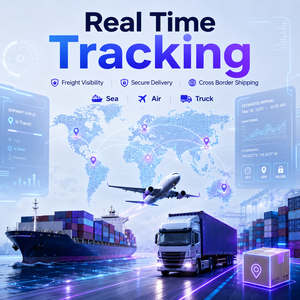
Procurement frameworks now demand live IoT telemetry inside container units. Next-generation sensors detect micro-temperature shifts, humidity variances, atmospheric pressure, and shock impacts to prevent destabilization of reactive chemical compounds.
International environmental mandates place chemical logistics under direct ESG reporting scrutiny. Importers select freight partners utilizing solar-powered warehousing, electric handling fleets, and verified carbon-offset sea corridors.
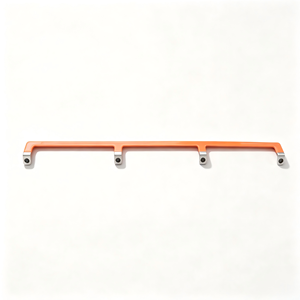
The chemical freight landscape is transitioning rapidly from traditional breakbulk and standard dry boxes into purpose-engineered intermodal units. Full side-open containers are increasingly favored for heavy industrial equipment, modular power busbars, and rigid chemical IBC totes, allowing expedited horizontal loading via specialized forklifts while eliminating cargo impact risks.
Simultaneously, the convergence of 3PL customs bonded distribution and automated inventory release protocols permits global chemical distributors to import full container loads under duty-suspension frameworks. By retaining specialty coatings, chemical solvents, or data-center hardware components in bonded port-centric facilities, buyers delay customs tariffs until delivery calls are initiated, safeguarding operating working capital and reducing demurrage exposure.
Consolidated logistics expertise verified through external accreditation, decades of operational history, and end-to-end accountability under one roof.
Established freight handling pedigree coordinating international ocean, air, and heavy haulage operations without unverified intermediary subcontracting.
Independently audited storage facilities meeting the highest available cleanliness, security, and traceability benchmarks for sensitive industrial cargo.
Direct tier-one airline allocations and dedicated security handling stationed at London Heathrow for urgent, time-critical materials and samples.
Operational facilities across Felixstowe, Port of Ipswich, Liverpool, and Port One ensure direct container devanning with minimal road transport legs.
Direct preparation of import declarations, tariff classifications, commodity codes, and preferential origin documentation under active bilateral trade agreements.
Achieved corporate carbon neutrality five years ahead of the UK 2030 mandate through solar-powered infrastructure and green transport practices.
Key regulatory, logistical, and commercial inquiries addressed by our certified freight and dangerous goods specialists.
Essential documentation includes an authenticated 16-point Material Safety Data Sheet (MSDS/SDS) compliant with GHS standards, a commercial invoice, a packing list with precise net/gross weights, a Certificate of Origin, and a Dangerous Goods Declaration (DGD) when classifying under IMDG, ADR, or IATA rules.
Delivered Duty Paid (DDP) places complete transport risk, marine insurance, export/import customs clearance, port terminal handling charges, and domestic tariff disbursements on the forwarder and supplier, ensuring predictable landed procurement costs without surprise port surcharges.
FCL is legally mandatory whenever reactive chemical classes cannot be co-loaded under IMDG segregation tables. Industrially, FCL is also recommended whenever cargo volume exceeds 13 to 15 CBM, or when the cost of specialized devanning and repackaging exceeds full container transit savings.
In our bonded storage facilities, import customs duties and VAT remain legally suspended until goods are cleared for domestic release. High-value materials can be stored in bulk and extracted in partial batches to align with sales cycles, directly protecting liquid cash flow.
Yes. Our project logistics and heavy abnormal load teams conduct route surveys, secure structural transport permits, arrange escort vehicles, and manage specialized reefer units or out-of-gauge equipment for volatile, heavy, or sensitive chemical manufacturing systems.
All containers are inspected under strict ISO protocols for structural floor integrity, odor neutralisation, and water tightness. Packaging must conform strictly with ISPM-15 treated timber, robust dunnage bracing, and moisture barrier liners to eliminate cross-contamination during transit.