
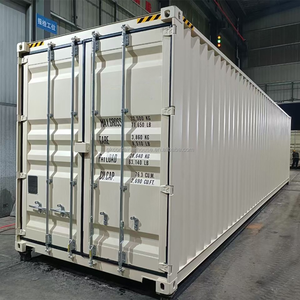
20ft & 40ft Side Open Containers
Full side-access door engineering for out-of-gauge industrial components, rapid crane loading, and heavy machinery transport.
In the contemporary procurement environment, global supply chains require far more than generic maritime freight services. The strategic convergence of OEM manufacturing, tailor-made container chassis fabrication, and dedicated Full Container Load (FCL) management provides global enterprises with predictable lead times, reduced landed costs, and insulated inventory protection. By bypassing the inherent physical handling risks, demurrage vulnerabilities, and transshipment delays characteristic of Less than Container Load (LCL) channels, modern procurement leaders are executing structured, single-manifest FCL protocols.
Operating in direct synergy with world-tier industrial hubs and multimodal gateways—including Felixstowe, London Heathrow, Liverpool, and the Port of Ipswich—enterprise-grade OEM freight suppliers engineer cargo programs built from the baseline container engineering up to final mile delivery. Whether sourcing tailored 40ft High Cube containers configured for lithium battery energy storage systems (BESS), deploying side-access dry boxes for awkward manufacturing machinery, or leveraging sovereign customs clearance under bonded logistics facilities, strategic FCL management stands as the benchmark of industrial cost-control and regulatory integrity.
Procure verified maritime container hardware and turn-key door-to-door full container solutions optimized for global transits.
Full side-access door engineering for out-of-gauge industrial components, rapid crane loading, and heavy machinery transport.
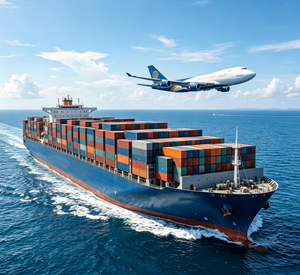
End-to-end maritime routing, northern European customs brokerage, last-mile multimodal distribution, and regulatory clearance.
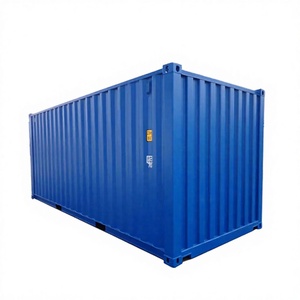
Direct factory-gate container boxes fabricated with Corten steel structures, ISO-certified lock boxes, and marine-grade plywood flooring.
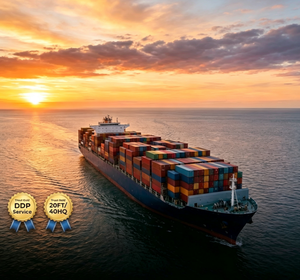
Consolidated and direct full container load services targeting Jebel Ali, inclusive of bonded warehousing, tariff filings, and transit safety.
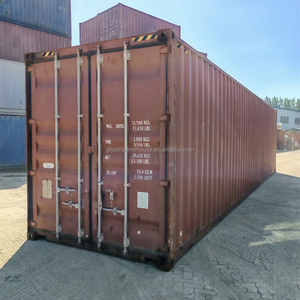
Factory-direct inventory available for volume procurement, SOC (Shipper Owned Container) applications, and intermodal logistics loops.
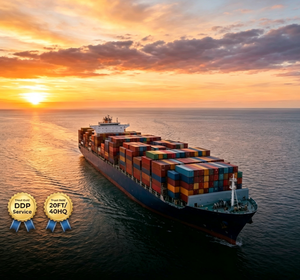
All-inclusive European inland container positioning, river-rail multi-routing, import VAT management, and industrial site delivery.
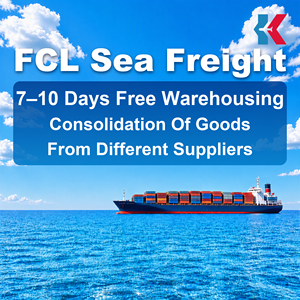
Tier-1 ocean vessel slots secured for 20GP, 40GP, and 45HQ equipment allocations with carrier contract index pricing stability.
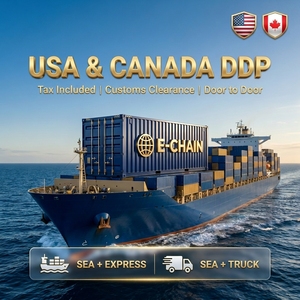
Comprehensive transpacific ocean freight, ISF 10+2 electronic filing, PierPass management, and designated nationwide 3PL drops.
Integrated freight forwarding, audited compliance, port-centric facilities, and accredited standards tested over 30+ years.
We maintain an independently audited management system operating alongside the highest unannounced audit rating (BRCGS AA+) for warehousing, safeguarding pharmaceuticals, food-grade commodities, and high-value industrial inventory.
Our strategically situated facilities at Felixstowe, Port One, the Port of Ipswich, London Heathrow, and Liverpool ensure zero redundant haulage miles, direct quay devanning, bonded storage, and instant road feeder networks.
Navigating HMRC declarations, CDS entries, tariff classification codes, origin rulings, and duty-deferment accounts. We handle documentation internally to eradicate port demurrage and customs inspection freezes.
Years of Freight Forwarding Leadership
UK & European Strategic Port Terminals
BRCGS Storage & Distribution Standard
Pioneering Verified Carbon Neutral Operations
Data-driven transformations redefining global container shipping, procurement structures, and carrier contract protocols.
Procurement teams are moving beyond basic landed freight costs to prioritize verified green corridor logistics. Corporate Scope 3 emission accounting now dictates modal shifts, slow-steaming container allotments, and bio-fuel/methanol powered ocean vessels to meet corporate ESG covenants ahead of international targets.
The standard dry shipping box has evolved into an active data node. Advanced FCL programs increasingly deploy factory-integrated IoT sensors reporting real-time interior humidity, temperature deviations, three-axis mechanical shock occurrences, and automated geofenced customs arrivals.
Procurement executives are abandoning rigid annual fixed-rate ocean contracts in favor of index-linked agreements (such as the Shanghai Containerized Freight Index or World Container Index) with capacity collars, preventing rollover cancellations during peak quarters.
Modern containerized transport is no longer confined to the standard ISO general-purpose dry box. The demands of advanced manufacturing—including battery cell integration, aerospace component transport, and sensitive medical cold chains—have forced a rapid evolution in maritime equipment metallurgy and structural design:
| Container Specification | Structural Materiality | Volumetric / Payload Limits | Strategic Logistics Application |
|---|---|---|---|
| 20GP Standard Dry | SPA-H Corten Anti-Corrosion Steel | 33.2 CBM / 28,200 KG | Dense, heavy cargo: metals, minerals, machinery, chemical drums. |
| 40HQ High Cube | Corrugated Corten Steel + Treated Hardwood | 76.4 CBM / 28,600 KG | Volumetric goods: consumer electronics, retail inventory, automotive plastics. |
| 20ft/40ft Side Open | Reinforced Corner Post Structural Frames | 31.0 / 71.2 CBM | Long industrial machinery, construction modules, rapid side-crane loading. |
| Active Thermal Reefer | Stainless Steel Lining & Polyurethane Insulation | Microprocessor Controlled (-30°C to +30°C) | High-value pharmaceuticals, biologics, perishable agricultural inventory. |
*Note: OEM bespoke containers can be manufactured with specialized interior anchor systems, flush floor-mounted lashing points, and anti-condensation interior coatings engineered to protect vulnerable finishes during deep-sea oceanic transits.
Authoritative operational answers concerning demurrage mitigation, Incoterm liability, customs controls, and equipment selection.