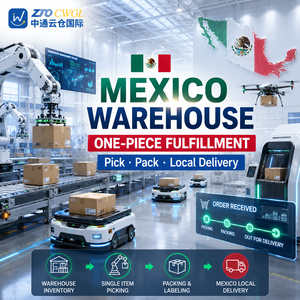
Source high-spec manufacturing, automation hardware, and comprehensive global logistics directly from audited tier-1 production hubs.
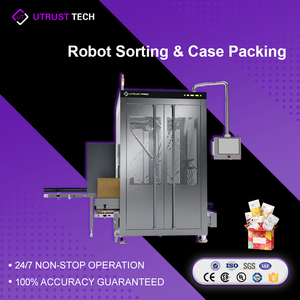
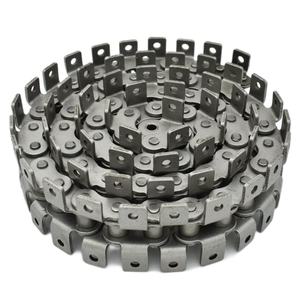


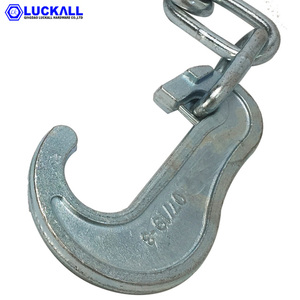
Modern global commerce demands agile manufacturing coupled seamlessly with end-to-end multimodal transport pipelines. Explore how next-generation OEM architectures mitigate terminal bottlenecks.
Global supply networks have entered a decisive transformation. The obsolete model of isolated procurement—where manufacturers operated disconnected from downstream intermodal forwarders—has introduced systemic delays, inventory hoarding, and escalating carrying costs. Integrating Custom OEM Supply Chain Solutions allows enterprise buyers to calibrate component assembly lines with agile transit vectors, guaranteeing synchronized lead times from production tooling to port-side devanning.
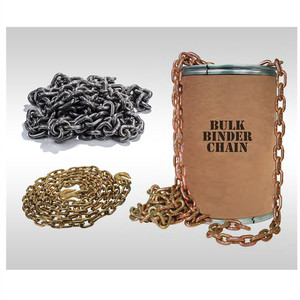
Whether deploying high-speed robotic delta manipulators for pharmaceutical cleanroom packaging, engineering high-tensile 20Mn2A alloy lashing chains for out-of-gauge intermodal stabilization, or securing certified 4-way entry Euro pallets, physical hardware performance directly determines freight velocity. Strategic sourcing managers increasingly require tier-1 suppliers who simultaneously govern quality management systems (ISO 9001:2015) alongside bonded freight infrastructure.
Procurement trends reveal a decisive shift toward multi-country forward deployment. Instead of centralized dispatch, multinational vendors utilize bonded, automated fulfillment spaces in locations such as Mexico, the UK, and continental Europe. Deploying customized dropshipping and unit-level pick-and-pack infrastructure reduces final-mile courier fees by up to 34%.
Regulatory requirements like the EU Carbon Border Adjustment Mechanism (CBAM) require empirical carbon reporting at the stock-keeping unit level. Contemporary supply lines incorporate solar-powered cross-docking facilities, high-efficiency route scheduling, and circular packing standards that help buyers achieve net-zero milestones years ahead of regulatory deadlines.
Heavy industrial logistics necessitates verified material performance. Global trade contracts specify G70 to G80 grade alloy tie-down chains, zinc-plated corrosion barriers, and ISPM 15 certified wooden dunnage to safeguard heavy project machinery during transatlantic ocean crossings and unpredictable rail transport.
Combining 30+ years of British and international freight handling with direct factory-floor fabrication oversight.
Strategically positioned operations adjacent to the UK's premier maritime and aviation corridors—including Felixstowe, Port One Suffolk, London Heathrow, and Liverpool—eliminate container dwell times and avoid unnecessary inland repositioning costs.
Certified to ISO 9001:2015 quality standards, with unannounced AA+ BRCGS Storage and Distribution accreditations. Direct IATA air agent integration guarantees secure, compliant documentation and seamless customs clearance worldwide.
Resolve production, packing, customs valuation, bonded warehousing, and multi-modal deliveries under a unified commercial framework. No fragmented subcontracting, no opaque middle-party fees, and comprehensive visibility across the entire lifecycle.
Essential guidance for global supply directors, procurement engineers, and supply chain managers.
Engage directly with our technical procurement and enterprise logistics specialists. Obtain detailed OEM engineering specifications, bonded freight routing analyses, and landed-cost optimization frameworks tailored to your operational scale.