Integrated equipment, automated robotics, multi-temperature transit, and overseas regional hubbing nodes designed to power resilient OEM/ODM inventory architectures worldwide.

Combining proprietary warehousing, high-precision industrial robotics, bonded customs clearance, and carbon-audited transport under a single responsible management structure.
Situated directly adjacent to premier maritime gateways like Felixstowe and air freight centers at London Heathrow, our facilities slash expensive drayage costs, minimize container demurrage risks, and compress dock-to-stock cycle times for high-volume OEM/ODM consignments.
Operating under ISO 9001:2015 certified quality controls and BRCGS Storage & Distribution AA+ audit certifications, our processes assure absolute lot traceability, defect containment, strict batch segregation, and flawless cold-chain management for delicate or perishables cargo.
Optimize working capital liquidity through specialized bonded inventory facilities. Defer import VAT and customs duty assessments until the exact moment manufactured finished goods or assembly components enter local commercial circulation, or avoid local duty entirely via re-export.
Modern cross-border manufacturing requires a paradigm shift away from traditional reactive warehousing toward highly integrated Vendor-Managed Inventory (VMI) and synchronized Just-In-Time (JIT II) fulfillment. High-volume overseas importers and original equipment brands face compounding volatility: container transit lead-time variability, unpredictable geopolitical route diversions, fluctuating tariff schedules, and the strict SLA demands of direct-to-consumer and B2B delivery channels.
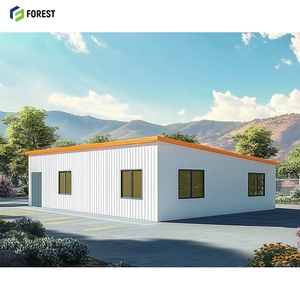
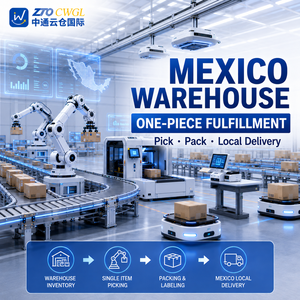
To eliminate capital inefficiencies, our OEM/ODM inventory management service bridges offshore production lines with regional consumption centers. By leveraging custom-engineered prefabricated steel distribution terminals, automated robotic picking, and regional transshipment nodes across Europe and North America (such as our Mexico Hub), brands achieve micro-level visibility. Component SKUs are ingested into port-centric depots, inspected, kitted, and staged within hours of vessel discharge, ensuring assembly lines never stall due to stockouts.
| Inventory Dimension | Fragmented 3PL Warehousing | Our Integrated OEM/ODM Management Architecture | Operational Value Realization |
|---|---|---|---|
| Dock-to-Stock Latency | 7 to 14 Business Days across multiple handovers | 12 to 24 Hours (Direct Port Gate Container Ingestion) | Up to 75% acceleration in component liquidity |
| Customs & Tariffs | Upfront VAT and duties paid immediately at border entry | Bonded Fiscal Warehousing with duty deferral or relief | Conserves 18–25% operational cash flow |
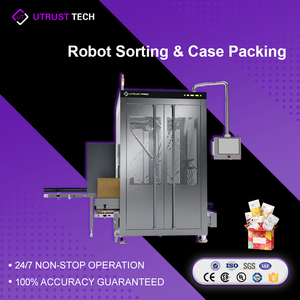
| Order Sorting & Packing | Manual labor-intensive pick lists subject to human error | Industrial Delta Parallel Robotics & Optical Scanning | 99.98% pick accuracy with multi-SKU case-pack speed |
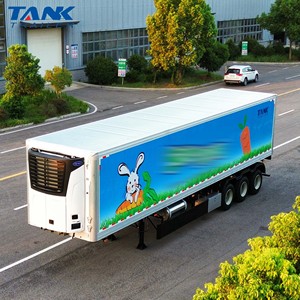
| Cold-Chain Continuity | Disjointed reefer drayage with temperature fluctuation gaps | Active 40ft Reefer Semi-Trailers with continuous telemetry | Elimination of spoilage for pharmaceuticals and perishables |
| Carbon & Scope 3 Reporting | Zero emissions accountability; estimate-only documentation | Per-Shipment Carbon Ledger & Solar-Powered Sites | 100% compliant with EU CSRD and UK ESG audit standards |
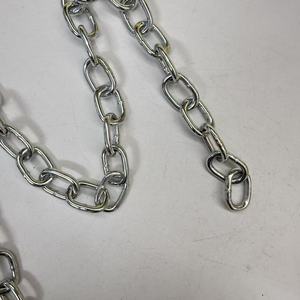
Furthermore, our infrastructure seamlessly integrates heavy-duty structural steel handling facilities, high-tensile mooring and transport link chains, and dedicated multi-modal DDP forwarder channels. Whether exporting precision machinery from Asia to the European heartland or distributing parcels via small-parcel dropshipping across North America, every movement is backed by over 30 years of end-to-end logistics provenance.
Strategic purchasing executives must navigate shifting trade policies, decarbonization mandates, and autonomous handling technologies. Here is where the global procurement landscape is heading.
Procurement directors are shifting from single-origin dependencies to dual-hub models. By leveraging consolidated direct shipping from manufacturing epicenters into regional forward facilities—such as our Mexico fulfillment hub and UK distribution parks—enterprises maintain agility while bypassing localized tariff bottlenecks.
Static safety stock calculations are being replaced by dynamic buffer-stock policies tuned to ocean corridor disruption signals. Buyers now procure modular structural warehousing units that scale footprint dynamically, accommodating fluctuating bulk consignments without long-term commercial lease exposure.
High-speed pick-pack automation is no longer optional. B2B buyers now mandate that suppliers support automated delta parallel robotics integration at staging nodes to facilitate sub-second unit sortation, custom kitting, barcode serialization, and multi-tier retail cross-docking.
Global procurement teams must now quantify the environmental cost of transit and storage. Selecting suppliers with certified carbon-neutral facilities, rooftop solar arrays, and verifiable per-container CO2 emissions analytics is becoming a mandatory prerequisite for contract qualification.
The convergence of industrial internet of things (IIoT), automated handling machinery, and unified ERP telemetry is transforming how OEM/ODM suppliers maintain buffer stock. Rather than relying on simple pallet racking, the next decade of inventory architecture utilizes autonomous drive-in bay distribution complexes combined with continuous cold-chain monitoring. Integrated sensors inside refrigerated 40ft reefer trailers transmit ambient and core product temperatures in real-time directly to cloud logistics databases, guaranteeing uninterrupted pharmaceutical and food-grade compliance under BRCGS AA+ protocols.
Simultaneously, the demand for value-added postponement packaging—configuring unfinished OEM base products into localized customer SKUs upon final order trigger—has skyrocketed. Through our customized industrial link chains, precision welding facilities, and high-speed robotic packing workcells, overseas components are finished, packaged with regional manuals, repalletized, and cleared through customs within a single unified cycle. This eliminates redundant transit legs and drastically lowers the landed cost per unit.
Essential operational, regulatory, and fiscal guidance for overseas buyers, contract manufacturers, and supply chain procurement officers.