Engineered shipping, intermodal containers, cold-chain solutions, and custom retail packaging infrastructures designed to support complex OEM/ODM supply pipelines across global distribution channels.
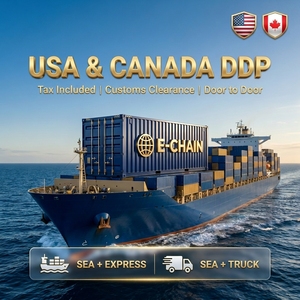


Original Equipment Manufacturers (OEM) and Original Design Manufacturers (ODM) operate under intense supply chain compression. In modern cross-border manufacturing paradigms, the conventional distinction between raw production and downstream distribution has completely evaporated. Multinational brand owners, tier-one industrial suppliers, and high-velocity consumer electronics companies increasingly demand synchronized postponement fulfillment—an engineering methodology where unbranded, semi-finished master cartons are transformed into localized, channel-ready retail inventory at port-centric logistics nodes rather than at source factories.
When engineering high-volume order fulfillment architecture, enterprise procurement managers must solve three fundamental logistical friction points: landed-cost volatility, tariff optimization via international bonded facilities, and supply chain cycle compression. By centralizing assembly customization, bespoke product packaging (such as high-tolerance thermoformed clamshells, blister packs, and branded multipacks exemplified in precision accessory kitting), and localized compliance labeling adjacent to major maritime terminals like Felixstowe and air gateways like London Heathrow, multinational enterprises effectively decouple upstream production lead-times from downstream market volatility.
To eliminate operational handoff bottlenecks between contract manufacturers in Asia and direct distribution pipelines throughout North America, the UK, Europe, the Middle East, and Australia, enterprise suppliers deploy four integrated technological pillars:
Delaying final brand serialization, manual insertion, multilingual labeling, and localized power adaptation until cargo touches regional bonded distribution hubs.
Suspending customs import tariffs and statutory VAT using Type-A customs warehouses until product allocations are commercially executed into active commerce.
Deploying dedicated FCL ocean linehauls, scheduled air consolidations via IATA hubs, and temperature-governed intermodal reefers across volatile global trade lanes.
Executing unannounced quality verification protocols certified under rigorous BRCGS AA+ and ISO 9001:2015 global industrial storage benchmarks.
Enterprise procurement executives frequently encounter severe bottlenecks when attempting to force complex OEM/ODM product configurations through traditional third-party warehousing networks. The following matrix illustrates the architectural distinctions between standard warehousing operations and an end-to-end engineered fulfillment supplier infrastructure:
| Evaluation Parameter | Standard Retail 3PL Provider | Contract Assembly House | Integrated OEM/ODM Fulfillment Specialist |
|---|---|---|---|
| Postponement Processing | Limited to basic carton pick, pack, and standard shipping label application. | Capable of high-level assembly but lacks integrated international forwarding assets. | Full Postponement Suite Secondary packaging, heat sealing, custom casing, firmware updates, and serial tracking. |
| Customs & Duty Optimization | Third-party customs broker handoff; duties paid immediately upon UK/EU entry. | No internal customs handling; customer assumes full compliance and financial liabilities. | Bonded Warehousing Duty and import VAT suspended during storage; seamless bonded re-export without UK tax friction. |
| Quality Certification | Basic commercial warehouse registration without sector-specific process auditing. | Factory ISO certifications; non-compliant packaging environments during transshipment. | BRCGS AA+ & ISO 9001:2015 Audited traceability, temperature monitoring, and high-hygiene storage protocols. |
| Port-Centric Proximity | Inland facilities requiring prolonged container drayage and higher drayage surcharge exposure. | Source location dependent; extreme lag between manufacturing exit and port consolidation. | Direct Maritime Gates Strategic hubs at Port One, Felixstowe, Ipswich, and Heathrow minimizing road dwell times. |
| Reverse Logistics & RMA | Disposal-oriented or basic product return intake without diagnostic validation. | Requires full overseas shipment back to origin factory for diagnosis and rework. | Triage & Remanufacturing Local bench testing, component-level replacement, repackaging, and channel redistribution. |
The geopolitical, regulatory, and technological topography of global supply management is accelerating at an unprecedented velocity. Corporate procurement directors must adapt their fulfillment architectures to leverage emerging structural shifts across four distinct commercial vectors:
Rather than importing finished, consumer-packaged SKUs from Far Eastern origins, multinational brands are migrating toward bulk-packed industrial components. Final retail kitting, multi-pack bundling (such as professional high-frequency accessory blister sealing), and direct-to-consumer inserts are executed inside port-adjacent distribution centers. This trend slashes ocean container space consumption by up to 38% per cubic meter and mitigates inventory obsolescence risk in local consumer territories.
Under emerging EU Corporate Sustainability Due Diligence Directives (CSDDD) and UK statutory environmental standards, procurement contracts now legally require granular emissions auditing on every freight movement. OEM/ODM fulfillment suppliers must operate verified carbon-neutral infrastructure—utilizing roof-mounted solar photovoltaic arrays, zero-emission electric material handling equipment, and computerized multimodal route emissions modeling to minimize supply chain carbon liability.
The total convergence of B2B replenishment (big-box retail EDI 850/856 compliance) and direct-to-consumer B2C drop-shipping from a unified inventory pool. Modern fulfillment architecture relies on real-time API webhooks communicating directly with tier-one contract manufacturer MES (Manufacturing Execution Systems) and global enterprise ERP systems, enabling automated inventory rebalancing across transcontinental trade corridors.
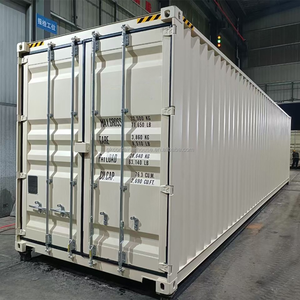
A prime manifestation of advanced OEM/ODM fulfillment engineering is high-velocity accessory kitting—demonstrated by specialized retail configurations like custom thermoformed musical accessory packaging, precision electronics brackets, and multi-piece industrial consumables. When raw components are shipped in high-density bulk packs via standard 20GP or 40HQ maritime containers, they occupy a fraction of the volumetric footprint required by finished retail packaging.
Upon arriving at a dedicated port-centric terminal, these components undergo clean-room secondary kitting: ultrasonic blister sealing, tamper-evident barcoding, custom serial number pairing with master chassis assemblies, and automated carton packing. This operational sequence allows manufacturers to switch packaging branding, language variations, or regulatory certifications (such as CE, UKCA, or FCC compliance marks) within hours of a market order, completely eliminating dead stock write-downs.
Delivering end-to-end OEM/ODM order fulfillment requires world-class physical assets, strict statutory compliance licenses, and specialized engineering personnel. Hemisphere Freight Services operates an integrated UK and global logistics ecosystem designed to eliminate intermediary friction, optimize cash flow, and guarantee multi-channel fulfillment velocity.
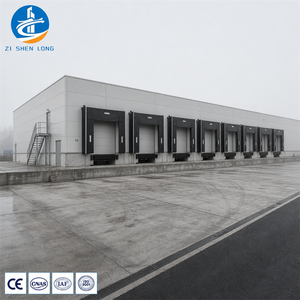
Direct proximity to Britain's container flagship at Felixstowe, specialized deep-water breakbulk quays at the Port of Ipswich, Port One modern logistics park, and industrial terminals in Liverpool. We devan ocean boxes within hours of vessel berthing, completely eliminating costly quay demurrage and extended quay-to-warehouse drayage costs.
Our dedicated customs compliance bureau manages CDS import/export entries, binding tariff classification determinations, and preferential origin validation under international Free Trade Agreements. Our Type-A bonded warehouses allow importers to hold high-value OEM/ODM inventory duty- and VAT-free until distribution release.
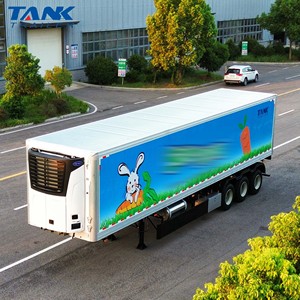
Direct carrier bookings for ocean FCL/LCL lines, top-tier independent IATA air cargo operations at London Heathrow for urgent engineering spares, heavy-haul abnormal transport trailers, and dedicated refrigerated intermodal semi-trailers for strict cold-chain perishable compliance.
Detailed operational answers addressing regulatory risk, bonded mechanics, postponement assembly, and cross-border shipping protocols.
Initiate a technical consultation with our industrial logistics engineers to analyze your landed costs, optimize customs bond utilization, and design high-velocity postponement fulfillment workflows.
Get a Quote