Standardized intermodal machinery, cold-chain transport configurations, automation robotics, and containerized handling solutions built for worldwide marine and inland terminals.
By synergizing precision metal fabrication, custom intermodal trailer manufacturing, and end-to-end UK port-centric terminal operations, we eliminate demurrage bottlenecks and optimize container turnaround.
Certified under ISO 9001:2015 quality management systems alongside unannounced BRCGS AA+ Storage and Distribution certifications. Every terminal handling protocol, container devanning cycle, and cargo preservation action complies with stringent global benchmarks.
Direct physical presence across Felixstowe, Port One Suffolk, London Heathrow, Port of Ipswich (Westbank engineering facilities), and Liverpool. Strategic terminal proximity eliminates long drayage journeys, mitigates port storage charges, and enables immediate cross-docking.
Authorized customs bonded facilities allow importers to suspend VAT and customs tariff payments indefinitely until goods are released into domestic circulation or re-exported, dramatically reducing capital blockage for high-value SKU inventory.
Ranked among the premier independent IATA cargo agents in the United Kingdom, our London Heathrow hub delivers time-critical air freight chartering, bonded consolidation, and airside ramp handling designed for high-priority assembly components.
Recognized for achieving carbon neutrality five full years ahead of the UK 2030 benchmark. Equipped with massive rooftop solar arrays, electric material handling fleets, and automated per-consignment Scope 3 GHG emission auditing tools.
Specialist engineering workshops certified for ISPM 15 timber crating, heavy-duty machinery barrier wrapping, and complex project logistics. Expert handling of out-of-gauge (OOG) infrastructure cargo such as National Grid T-pylon sections and metro rail track systems.
An analytical overview of structural terminal mechanisms, container dwell time reduction, specialized cargo devanning protocols, and multimodal integration.
In contemporary maritime commerce and intermodal supply network operations, Terminal Handling Services (THS) comprise vastly more than administrative port handling fees. At its core, terminal handling encompasses physical stevedoring, quayside gantry crane operations, inland CFS (Container Freight Station) devanning, intermediate staging, and secondary inland haulage interface. For global equipment manufacturers and commercial cargo owners, the efficiency of terminal handling dictates whether high-value capital equipment moves smoothly or incurs catastrophic dwell time demurrage.
As an integrated OEM/ODM manufacturer and logistics operator, our engineering protocols address the severe mechanical stresses imposed during cargo transshipment. By designing and manufacturing heavy-duty transport trailers, certified Grade 70 lashing hardware, and tailored intermodal containers, we ensure zero structural deflection during gantry lifting, high-speed rail transit, and heavy axle road haulage. Custom OEM terminal handling designs bridge the operational gap between factory manufacturing specifications and the brutal dynamic loads experienced in quayside transfer hubs.
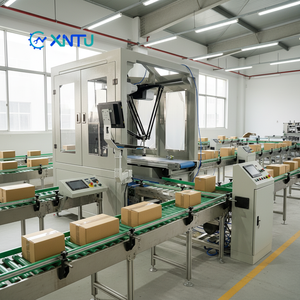
Standard port terminals are engineered for macro container moves, not for delicate, SKU-level product handling. When consolidated shipments (LCL) or specialized containerized machinery enter port terminals such as Felixstowe or Southampton, inefficient unloading risks irreversible cargo damage. Our bonded CFS devanning sites employ automated delta parallel robot arms and customized hydraulic dock levelers engineered specifically for rapid container devanning and automated palletizing.
By shifting the point of unstuffing directly to port-adjacent CFS warehouses, supply chain managers eliminate the risk of port congestion fees. Furthermore, our facilities perform immediate value-added engineering: ISPM 15 export re-crating, anti-corrosive VCI barrier bagging, multi-voltage electrical testing for imported industrial machinery, and secondary quality assurance inspections before cargo reaches its final point of distribution.
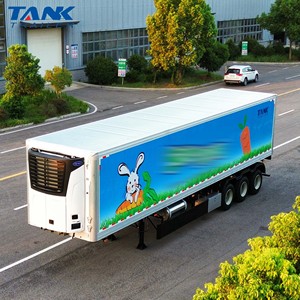
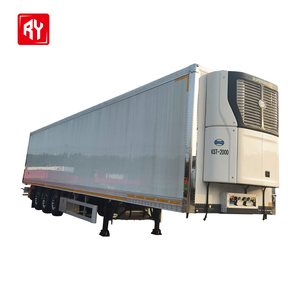
Refrigerated cargo management requires unyielding engineering precision. A single degree deviation in pulp temperature during terminal dwell time can render high-value pharmaceuticals or perishable agricultural consignments worthless. Our manufactured 40ft reefer semi-trailers and tri-axle refrigerated chassis integrate digital micro-channel evaporators, high-density extruded polyurethane thermal barrier walls, and dual-independent genset backups.
Combined with our BRCGS AA+ accredited storage protocols, cold-chain terminal handling guarantees seamless temperature data-logging from the moment the reefer plug is disconnected at the marine berth through bonded customs clearance and inland delivery. Cold air spillage is eliminated during dock cross-docking via inflatable pneumatic dock seals and automated high-speed insulated sectional doors.
Heavy engineering projects—such as the shipment of nuclear-grade T-pylon structures for Hinkley Point C or continuous welded rail assemblies for the Mexico City Metro—fall completely outside standard terminal automation. Handling these extreme out-of-gauge (OOG) and heavy-lift consignments demands custom engineering from origin factory floor to quay.
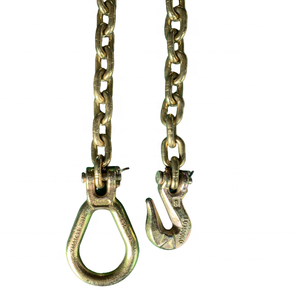
Our engineering division calculates center-of-gravity (CoG) distributions, dynamic axial load limitations, and multi-point spreader bar structural mechanics. Using certified Grade 70 transport chains, forged pear-link tensioners, and custom-fabricated low-bed multi-axle modular trailers, our project logistics specialists handle un-containerized freight up to several hundred metric tons safely over marine terminal quays, avoiding structural berth overloads and maritime regulatory non-compliance.
Key technological shifts, decarbonization mandates, and sourcing architectures transforming international terminal handling operations over the next decade.
Terminals are transitioning rapidly from diesel-powered straddle carriers to AI-navigated Automated Guided Vehicles (AGVs) and delta parallel robotic arms, decreasing CFS carton processing cycles by over 45%.
Driven by the EU Corporate Sustainability Due Diligence Directive (CSDDD) and IMO decarbonization milestones, enterprise procurement contracts will universally require granular per-container lifecycle carbon tracking.
To combat geopolitical disruptions and Red Sea transit variability, multinational brands are establishing duty-suspended buffer inventory hubs located directly inside or adjacent to freeport marine gates.
Passive freight containers are being replaced by IoT-connected smart shipping boxes providing real-time tri-axial shock monitoring, interior atmospheric pressure sensing, and tamper-evident cryptographic chain-of-custody.
A systematic procurement evaluation matrix designed for enterprise supply chain directors, freight managers, and logistics engineers when vetting terminal handling partners.
Verify that all port chassis, reefer units, and side-opening containers are constructed with high-tensile Q345B or Corten weather-resistant steel. Confirm welding conforms to AWS D1.1 standards to prevent micro-fracturing under intense container stack loading.
Ensure your terminal handling partner holds authorized bonded warehouse status with local customs authorities (such as UK HMRC). This avoids cash outflow for immediate customs duty and VAT on slow-moving inventory batches.
Prioritize facilities holding third-party accredited certifications like BRCGS AA+ for storage and distribution. Unannounced audits verify that cold-chain protocols, pest control, and physical handling cleanliness remain audit-ready 365 days a year.
Authoritative, technically grounded answers addressing complex customs regulations, cold-chain continuity, out-of-gauge transshipment, and OEM equipment fabrication.
A conventional freight forwarder merely brokers cargo space through non-owned assets, leaving customers vulnerable to port congestion and equipment shortages. As an OEM/ODM terminal handling manufacturer, we operate proprietary engineering and fabrication facilities alongside deep-water port infrastructure. We design and manufacture custom intermodal equipment—including side-opening maritime containers, heavy-duty 3-axle refrigerated semi-trailers, automated pick-and-pack delta robotic arms, and certified Grade 70 lashing hardware. This dual capability allows us to physically customize transport assets to the exact mechanical specifications of your cargo while managing end-to-end stevedoring, customs clearance, and inland distribution under one contract.
Port-centric bonded warehousing sites—such as our operations at Felixstowe and Port One Suffolk—sit directly adjacent to primary marine terminals. By transferring containers under bond immediately after vessel discharge, shippers eliminate crushing port storage penalties, container demurrage, and equipment detention charges. Furthermore, import duty and VAT are suspended under customs bonding. Capital is preserved because tariffs are only paid in proportional tranches as stock is released for domestic distribution. Goods intended for European or international re-export incur zero domestic import duty whatsoever.
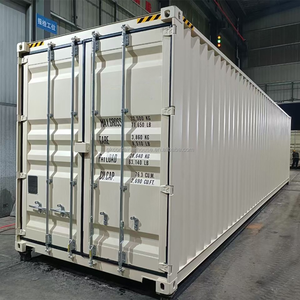
Standard dry containers only permit rear loading, creating severe bottlenecks when handling long, indivisible machinery, oversized timber crating, or large industrial steel pipes. Full-side opening containers (available in 20ft and 40ft OEM configurations) feature bi-folding or multi-hinged structural side doors that open across the entire container length. This allows heavy-capacity forklifts and overhead gantry cranes to load and unload cargo laterally in a fraction of the time, eliminating the risk of cargo damage from pushing long freight through standard end doors and drastically cutting terminal CFS dwell time.
Grade 70 (G70) transport chains are manufactured from heat-treated, high-tensile carbon alloy steel specifically engineered for heavy cargo tie-down and marine transit restraint. Under Australian AS standards and international marine transport standards, G70 chains provide approximately 20% higher working load limits (WLL) than standard Grade 43 high-test chain. Each manufactured chain link is proof-tested, embossed with traceable batch designations, and equipped with heat-treated clevis grab hooks to prevent disengagement under extreme maritime rolling and pitching forces.
Cold-chain failure typically occurs during the vulnerable dwell window between vessel discharge and terminal plug-in. Our terminal operations counteract this risk using our proprietary 3-axle refrigerated semi-trailers fitted with independent diesel gensets and real-time telematics sensors. Cargo temperatures are actively maintained within strict tolerances (ranging from -25°C to +15°C) regardless of ambient thermal conditions. Our CFS facilities hold the unannounced BRCGS AA+ Storage & Distribution standard, ensuring that rapid devanning and cross-docking take place inside temperature-monitored, sanitized loading chambers.
Yes. At our specialized Westbank engineering workshops located directly within the Port of Ipswich, we manufacture bespoke heavy-duty export crates, specialized cradles, and structural timber foundations conforming strictly to ISPM 15 heat-treatment phytosanitary regulations. For sensitive electronic machinery, aerospace sub-assemblies, or precision industrial printers, our technicians apply vacuum-sealed aluminum moisture-barrier bags, vapor corrosion inhibitors (VCI), and calibrated multi-axial shock-absorbing mountings to safeguard equipment against corrosive marine atmospheric exposure and heavy transport shock.
Under Delivered Duty Paid (DDP) terms, the seller assumes complete financial and legal liability for export formalities, maritime transit, and domestic import clearance. Required documentation includes commercial invoices itemizing precise 10-digit TARIC/commodity codes, packing lists detailing net and gross weights per package, Certificates of Origin, and valid European Economic Operators Registration and Identification (EORI) registration. Our in-house customs clearance division directly submits declarations through the EU customs portal, ensuring that import duties, reciprocal trade agreements, and VAT deferments are managed accurately before vessel arrival.
Delta parallel robots provide high-speed pick-and-place capabilities exceeding 120 cycles per minute. Integrating these robotic systems into CFS devanning cells enables automated sortation, orientation inspection, and palletizing of cartons directly from un-stuffed sea containers. Vision-guided gripping arms accommodate varied carton dimensions and fragile food packaging materials without manual intervention, dramatically lowering terminal handling labor expenses, eliminating repetitive strain workplace injuries, and shortening container turnaround from days to hours.
Connect with our senior logistics engineers to review terminal handling service agreements, evaluate custom OEM equipment specifications, or receive a comprehensive landed-cost analysis for your shipping routes.