Explore high-performance cargo equipment, temperature-controlled assets, warehouse infrastructure engineering, and rapid international transit lanes designed specifically for hazardous materials, frozen perishable goods, and out-of-gauge engineering machinery.
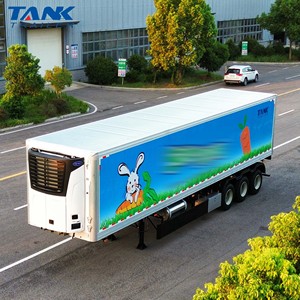
Engineered thermal insulation with multi-temp telematics ideal for Class 4.1 self-reactive hazards, Class 5.2 organic peroxides, and temperature-sensitive biological items.
Send an Inquiry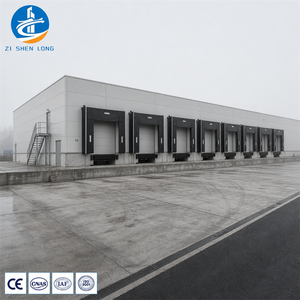
Industrial structural consultation for custom chemical, bonded, and hazardous goods storage. Features blast-wall compatibility, containment bunds, and high-clearance engineering.
Send an Inquiry
Streamlined air-express routing from China to New Zealand, UK, Spain, Italy, and the US with pre-cleared customs, duty settlement, and dedicated DG pallet processing.
Send an Inquiry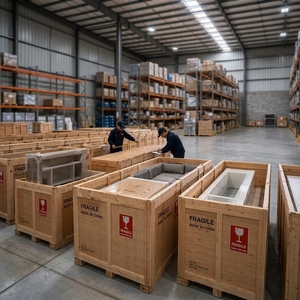
End-to-end heavy haulage handling abnormal loads, hazardous industrial assemblies, and out-of-gauge consignments with full UK permits and route surveys.
Send an Inquiry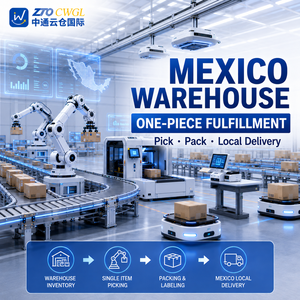
Nearshore bonded logistics hub supporting hazardous consumer tech, lithium-ion battery consumer goods, and rapid North American cross-border distribution.
Send an Inquiry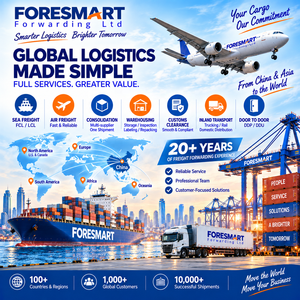
Full container load shipping optimized for chemical exporters, industrial commodities, and hazardous raw materials requiring dangerous goods manifest declaration.
Send an Inquiry
IATA-compliant expedited air freight for critical DG samples, fine chemicals, and pharmaceutical goods, managing EU customs, VAT deferral, and direct facility delivery.
Send an Inquiry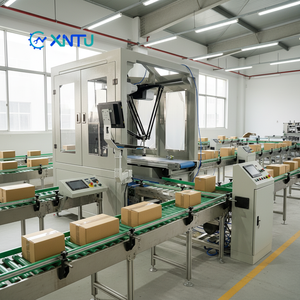
Robotic automation for hazardous and delicate product packing lines. Minimizes manual contact, ensures UN-spec carton placement, and automates high-speed sortation.
Send an InquiryHandling and transporting Dangerous Goods (DG) requires technical rigor far beyond general cargo forwarding. Regulated by the International Maritime Dangerous Goods (IMDG) Code, the International Civil Aviation Organization (ICAO) Technical Instructions, the ADR (European Agreement Concerning the International Carriage of Dangerous Goods by Road), and the 49 CFR in North America, each hazardous consignment requires precise chemical identification, certified UN packaging, segregation mapping, and meticulous documentation.
Chemical stability demands packaging rigorously tested for drop resistance, stack durability, hydrostatic pressure, and vapor sealing to prevent environmental leakage during high-sea pitching or cabin decompression.
Every shipment must feature verifiable SDS/MSDS verification, correct Proper Shipping Names (PSN), technical chemical names, hazard classes, UN numbers, packing groups, and emergency response telephone provisions.
Transport of UN3480, UN3481, UN3090, and UN3091 calls for strict adherence to Section IA/IB/II guidelines, including state-of-charge limits (≤30%), thermal runaway protection, and certified fire-retardant outer containers.
Procurement directors and chemical logistics managers are shifting their focus toward strategic nearshoring, multimodal hedging, and digital chain-of-custody tracking. With ongoing geopolitical shifts in the Red Sea and tightening Suez Canal transits, leading chemical exporters are adopting diversified rail-sea combinations across Central Asia and the UK-Europe network.
Furthermore, the consolidation of suppliers is paramount. Enterprises no longer treat customs clearance, bonded storage, and container freight as discrete operations. A fractured supply chain introduces serious liability gaps; if a commercial declaration misquotes a flash point or a packing depot fails an ISPM 15 timber crating requirement, goods face indefinite quarantine, demurrage escalation, and severe regulatory fines. The modern procurement blueprint requires single-source logistics architectures that own their bonded infrastructure, retain in-house DGSA (Dangerous Goods Safety Advisers), and integrate directly into port terminals.
The industry is rapidly adopting automated material handling systems (AMHS) such as high-speed Delta pick-and-pack robotics and automated guided vehicles (AGVs) within hazardous fulfillment centers. These systems remove human workers from volatile packing zones, ensure millimeter-level precision during palletizing, and standardize carton handling for fragile chemical vessels.
Concurrently, smart telematics with IoT-driven sensors provide real-time visibility into internal reefer temperatures, container atmospheric pressure, moisture ingress, and G-force impacts. In the transportation of self-reactive substances (Class 4.1) and organic peroxides (Class 5.2), automated real-time alerts allow vessel engineers and overland dispatchers to intervene long before a critical runaway temperature threshold is reached.
Drawing on over 30 years of end-to-end multi-modal forwarding and bonded warehousing infrastructure, we combine certified compliance, strategic port-centric hubs, and industry-leading ESG execution.
Essential guidance for international supply chain managers, procurement executives, and chemical import-export directors.
Hazardous substances fall into nine primary classes (ranging from Class 1 explosives to Class 9 miscellaneous hazards). Exporters must provide an authenticated Safety Data Sheet (SDS/MSDS) adhering to the 16-section GHS format, a Dangerous Goods Declaration (DGD), a formal container packing certificate, and certified UN packaging specifications before cargo acceptance.
FCL (Full Container Load) is strongly recommended for hazardous goods to avoid compatibility issues with other shippers' cargo under IMDG segregation rules. For smaller volumes, hazardous LCL is viable only on dedicated consolidated services where compatible chemical classes can share container space without violating regulatory separation distances.
Bonded warehousing permits full suspension of import duty and standard value-added taxes (VAT) while cargo remains in storage. Exporters and distributors can release inventory in flexible batches as domestic buyers purchase orders, or re-export finished products globally without ever paying host-country customs tariffs.
Lithium-ion cells (UN3480) and batteries shipped independently must maintain a State of Charge (SoC) not exceeding 30% of their rated design capacity when flown. All packages must pass UN 38.3 test criteria, carry specific hazard labels (Class 9A), and utilize non-conductive terminal insulation within rigid fire-containment packaging.
Non-specialist forwarders often lack in-house Dangerous Goods Safety Advisers (DGSA), leading to rejected terminal gates, carrier cancellations, costly emergency re-packing, or severe legal penalties for misdeclared cargo. Certified DG specialists ensure continuous regulatory compliance across ports, airports, and road check points.
To produce an accurate landed-cost solution, we require the 16-section SDS, UN number, Proper Shipping Name, net/gross weights, precise cargo dimensions, Incoterms agreed upon (e.g., EXW, FOB, DDP), collection/delivery addresses, and any secondary requirements such as tail-lift delivery, bonded storage, or temperature monitoring.
