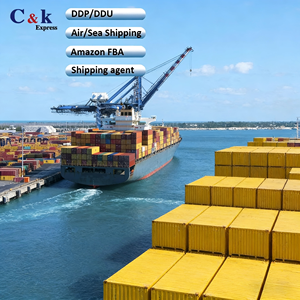
Deploying specialized warehousing assets, global forwarding lanes, and multi-tier supply chain interventions engineered for zero-delay cross docking execution.
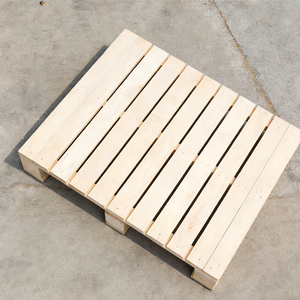
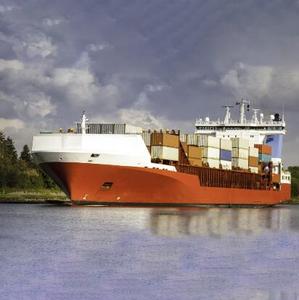
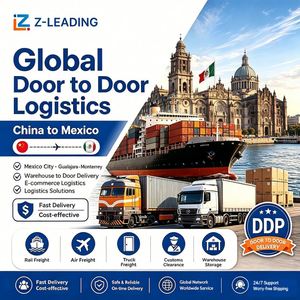
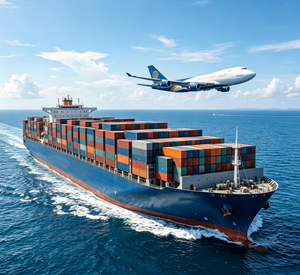
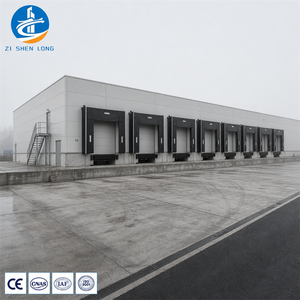
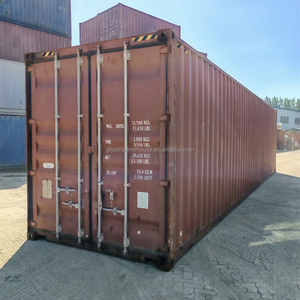
Modern global commerce demands lean operations, making intermediate warehousing a liability rather than a storage asset. Cross docking in China acts as a dynamic transshipment mechanism where inbound cargo from regional manufacturing clusters—such as the Pearl River Delta, Yangtze River Delta, and Bohai Rim—is received, decompressed, inspected, consolidated, and routed directly into export transport. This systematic workflow eliminates the need for long-term warehousing, drastically reducing cycle times and handling overhead.
By synchronizing purchase-order management with carrier allocations at critical maritime junctions (Shenzhen, Ningbo, Shanghai, Qingdao), international importers transform fragmented supplier matrices into unified container streams. In contrast to standard warehousing models that incur terminal handling charges, put-away fees, picking costs, and dead-inventory risks, our cross docking framework acts as a high-velocity sorting gateway. Pallets are devanned, sorted by destination fulfillment nodes, relabeled, and restowed in one continuous workflow. This systematic operational structure reduces transit dwell-time to under 24 hours.
How institutional procurement entities navigate nearshoring, tariff variations, dynamic SKU tracking, and green freight demands.
Global brands are shifting away from rigid single-factory full-container models. Buyers increasingly source components across diverse provincial subcontractors, driving the need for sophisticated cross-dock facilities capable of high-throughput sorting, packaging, and custom assembly before ocean crossing.
Pre-shipment verification directly inside the cross-dock terminal provides complete quality control. Conducting functional testing, drop tests, and compliance validation before container loading protects importers from the high costs of transoceanic returns or unexpected tariff reclassifications.
Modern cross-dock facilities operate as integrated digital hubs rather than passive sorting sheds. Real-time data sync via API integrates factory EDI triggers directly with destination ERP systems, enabling full SKU-level visibility before cargo departs Chinese ports.
Transforming transshipment efficiency through automation, bonded flexibility, and verified decarbonization.
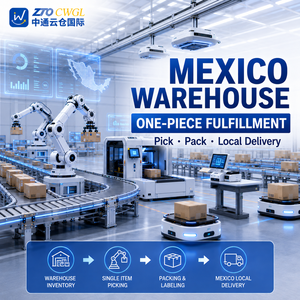
Autonomous mobile robots and smart conveyors now handle inbound pallet breakdown with sub-millimeter precision. These automated systems accelerate cross-dock processing times down to single-digit hours, preventing container dwell fees even during seasonal volume spikes.
Leveraging Chinese Free Trade Zones allows global cross-dock hubs to execute tax rebates on domestic gate-in, import duty deferral, product repacking, and international transshipments without triggering customs duties on non-domestic goods.
Decarbonization is now a measurable performance metric. Cross docking inherently reduces logistics carbon footprints by eliminating secondary road transfers between separate storage warehouses, running on-site operations with solar arrays, and maximizing container fill rates.
Backing our transshipment operations with three decades of logistics expertise, tier-one international certifications, and port-centric assets.
We operate under externally audited processes, maintaining the highest unannounced operational grade across international storage and distribution protocols. This safeguards everything from sensitive high-tech electronics to delicate FMCG items.
Our infrastructure connects primary manufacturing gateways across Asia directly to premier distribution centers throughout Europe and the Americas, including specialized port facilities at Felixstowe, Port of Ipswich, London Heathrow, and Liverpool.
Eliminate coordination breakdowns between separate forwarding and customs teams. Our in-house specialists oversee commodity coding, export origin certificates, transit documentation, and complete tax and VAT planning through a single accountable partner.
Key procurement and technical inquiries regarding the setup, integration, and risk management of China cross docking programs.
Cross docking minimizes intermediate storage and handling fees while optimizing ocean and air cargo space. Consolidating shipments from multiple domestic vendors into dedicated FCL containers boosts cubic load efficiency, sidestepping premium LCL ocean rates and costly destination deconsolidation fees.
Our WMS continuously evaluates inbound staging buffers. If a vendor misses an agreed gate-in window, the system adjusts consolidation plans in real time—either re-routing available cargo to meet immediate carrier bookings or staging items in temporary buffer bays to protect loading schedules.
Yes. Our transshipment centers operate integrated VAS stations. Incoming stock undergo physical counts, barcode validation, pallet restructuring, custom labeling (such as Amazon FNSKU or retail UPC codes), and visual defect inspections before outbound container loading.
FCA (Free Carrier) or FOB (Free on Board) give buyers the most control over cross docking. Under FCA factory or cross-dock terminal terms, the buyer oversees the forwarder booking and routing, avoiding non-transparent supplier markups and hidden CIF destination fees.
Our dedicated customs compliance team audits all inbound documents, validating commercial invoices, packing lists, HS codes, and export licenses prior to cargo consolidation. This verifies declaration accuracy across all factory streams before containers arrive at port terminals.
We offer turnkey REST APIs and standard EDI interfaces (such as EDI 856 ASN and EDI 940/945) to connect directly with major ERP and WMS environments like SAP, Oracle, NetSuite, and Shopify. This setup delivers automated inventory receipts, status changes, and shipping confirmations without manual data entry.
Consult with our supply chain architects to map out custom consolidation models, audit supplier lead times, and accelerate your international product movement.
Contact Us