Streamlined direct procurement for certified intermodal containers, abnormal haulage trailers, air charter connectivity, and temperature-controlled freight networks.
Years of Project Logistics Leadership
Single Heavy Axle Payload Capability
Port-Centric Strategic UK Hubs
Carbon Neutral Certified Business
In the high-stakes sector of industrial infrastructure, civil energy expansion, and global plant commissioning, navigating the nexus between specialized equipment fabrication and multimodal heavy-lift engineering is the definitive metric of project success. Out-of-Gauge (OOG) shipping, breakbulk chartering, and abnormal road transport can no longer operate as siloed disciplines separated from direct container manufacturing, certified rigging physics, and bonded customs gateways.
Global original equipment manufacturers (OEMs), engineering procurement construction (EPC) contractors, and tier-one procurement heads require single-source accountability. By integrating structural manufacturing—such as corten-steel intermodal dry boxes, heavy-axle cold trailers, and specialized maritime flat racks—with accredited freight forwarding expertise across deepwater ports like Felixstowe and air gateways like London Heathrow, modern logistics networks bypass multi-tier broker latency while eradicating structural stress risks during transit.
Evaluating mechanical load distributions, tare weights, thermal performance, and compliance metrics across key industrial equipment portfolios:
| Equipment / Freight Category | Standard Payload / Tare | Structural Material / Standard | Transit Modality | Accreditation & Compliance |
|---|---|---|---|---|
| Heavy-Duty 3-Axle Semi-Trailer | 80,000 kg Payload / 9,800 kg Tare | High-Tensile Q345B Steel Beam Chassis | Abnormal Heavy Road Haulage | ISO 9001 / ADR Road Safety |
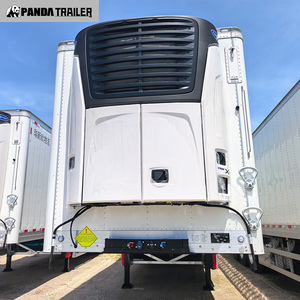
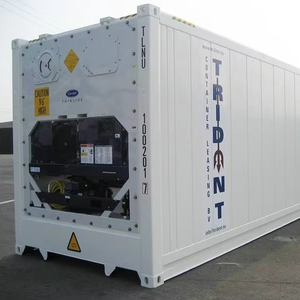
| 20FT / 40FT ISO Reefer Unit | 28,200 kg Max Gross / Micro-Climate Control | MGW Corten Steel + Polyurethane Insulation | Multimodal Sea / Rail / Road | BRCGS AA+ / ATP Certified |
| Charter Air Cargo (Heathrow Hub) | Up to 120,000 kg (Main Deck Freighters) | Certified Aircraft Pallets (PMC / PAG) | Scheduled / Express Air Charter | IATA Cargo Agent Accredited |
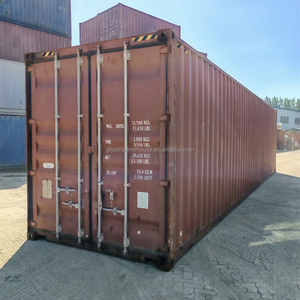
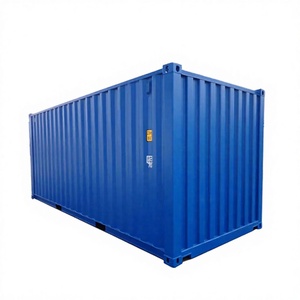
| 20GP / 40HQ High Cube Dry Box | 30,480 kg MGW Payload | Corrosion-Resistant SPA-H Corten Steel | FCL Ocean Freight (Felixstowe) | CSC Safety Approved / ISO 1496 |
| Engineered OOG Breakbulk Flat Racks | Up to 50,000 kg Concentrated Load | Reinforced Corner Castings & Lashing Rings | Heavy Deck Marine Stowage | IMO CSS Code / DNV-GL Verified |
The manufacturing and deployment of heavy cargo shipping apparatus have transitioned into a data-driven engineering science. To mitigate catastrophic load shifts, hull deck buckling, and axle fatigue, manufacturers and logistics engineers now deploy critical technological innovations:
Finite Element Analysis (FEA) models stress distributions on heavy semi-trailer chassis and container base structures before physical rolling. Digital twin telemetry tracks structural vibrations during high-seas navigation.
Cellular and satellite-connected telematics embedded in refrigerated units and heavy-haul trailers transmit real-time telemetry: internal temperature curves, G-force impact shocks, tilt angles, and hydraulic axle balances.
Integrating eco-friendly zinc-rich epoxy primers with specialized fluorocarbon topcoats provides C5-M marine corrosion endurance for open-deck maritime shipping exposed to persistent salt-spray fogging.
Enterprise procurement strategies are evolving beyond simplistic spot-rate freight comparisons. Supply chain directors facing complex global trade routes must structure procurement around verifiable resilience, carbon mandates, and integrated port proximity:
Procurement teams increasingly route shipments through Customs Bonded Warehousing adjacent to deepwater berths (such as Felixstowe and Port One). This suspends UK duty and VAT until goods leave for commercial delivery, protecting cash flow.
Rather than designing factory modules and discovering transport clearance bottlenecks later, EPC buyers mandate route surveys, bridge-loading stress analyses, and port handling checks before machinery fabrication begins.
Procurement contracts require verified per-shipment emission reporting. Forwarders utilizing solar-powered warehouse facilities, electric terminal tractors, and optimized multimodal sea-rail routings secure decisive enterprise tender advantages.
Over three decades of integrated project forwarding, specialized timber export packing, certified quality management, and owned gateway assets across the United Kingdom and global hubs.
Our facilities maintain unannounced AA+ audit grading under the BRCGS Storage & Distribution standard, guaranteeing verified cleanliness, trace integrity, and quality control.
Strategically positioned facilities at Felixstowe, Port of Ipswich (Westbank Engineering), London Heathrow, and Liverpool eliminate inter-terminal drayage delays and reduce empty dead-heading.
Direct in-house declaration processing via CDS, EORI consultation, preferential tariff verification, and top-tier direct carrier space allocations on premier international air and ocean vessels.
Achieved carbon neutrality five years ahead of national deadlines. From roof solar arrays producing renewable kilowattage to low-emission fleet technology, we reduce your project's Scope 3 balance.
Our heavy freight engineering track record includes landmark national infrastructure and intercontinental manufacturing campaigns:
Engineered logistics and abnormal road transit for the entire 57-kilometer high-voltage structural pylon corridor, executed to strict national civil engineering milestones without schedule deviation.
Coordinated the complex international ocean freight transit of extensive rail track structures for one of the world's most heavily populated urban transit rehabilitation projects.
Custom engineering, ISPM-15 certified timber vacuum export case manufacturing, and air-ride heavy transit for sensitive multi-ton Inca Digital industrial printing presses delivered worldwide.
Actionable answers to critical questions regarding axle weight limits, customs clearances, marine lashing certifications, and duty suspension.