
Architecting Multimodal Rail Cargo, Eurasian Intermodal Corridors, and Port-Centric Logistics with Decarbonized Reliability
Engineered hardware and integrated forwarding solutions designed to optimize transcontinental overland logistics and containerized intermodal handoffs.
Global supply chain infrastructure has entered a transformative era driven by geopolitical volatility, ocean carrier route re-alignments, strict corporate Scope 3 emissions reporting mandates, and fluctuating demand cycles. Within this landscape, industrial shippers and brand procurement executives are recalibrating traditional trade conduits. Seeking the optimal cross-section between the astronomical expense of air cargo and the slow, disruption-prone transit cycles of deep-sea maritime channels, international procurement leads are increasingly recognizing rail freight transport suppliers as essential operational partners.
Rail freight acts as the vital terrestrial artery of Eurasian and regional intermodal supply systems. Providing average door-to-door transit schedules of 14 to 22 days between key East Asian hubs and European industrial centres (compared to 35 to 48 days via ocean carriage navigating the Cape of Good Hope), rail transport provides a consistent, high-capacity, and economically resilient bridge. For high-value commodities—including electric vehicle assemblies, clean-energy machinery, advanced consumer electronics, and fast-moving retail consumer inventory—relying on a qualified, accredited rail logistics infrastructure reduces cash-to-cash cycle times and significantly minimizes inventory holding charges.
Bypassing high-risk maritime choke-points and major seaborne hub congestion through overland container dry-ports, customs clearance railheads, and direct block-train scheduling.
Slashing intermediate transit durations by more than half relative to standard ocean shipments, releasing working capital locked in in-transit inventory.
Rail operations emit up to 75% less CO₂ per ton-kilometer than pure road haulage, offering a direct route to compliance with EU CSRD and global Scope 3 mandates.
To assist industrial logistics architects and financial directors in evaluating modes objectively, the following comparison matrix balances velocity, environmental footprint, risk exposure, and volume thresholding:
| Logistics Vector | Avg. Transit (Eurasia / UK) | Cost Index per CBM | CO₂ Intensity | Operational Flexibility | Recommended Use Case |
|---|---|---|---|---|---|
| Direct Block Rail | 14 – 20 Days | Moderate (30-40% of Air) | Lowest (0.02-0.04 kg/t-km) | Fixed Hub-to-Hub Schedules | Automotive, High-Tech, Capital Equipment |
| Ocean Freight (FCL) | 35 – 50 Days | Lowest Baseline | Low (0.01-0.03 kg/t-km) | Subject to Route Rerouting | Heavy Raw Commodities, Bulk Finished Goods |
| Air Freight Cargo | 3 – 7 Days | High (Premium) | Highest (0.50+ kg/t-km) | High Daily Flight Frequencies | Urgent Spares, Pharma, High Value/Weight |
| Multimodal Sea-Rail | 22 – 28 Days | Low to Moderate | Optimized Hybrid | High Gateway Diversion Options | Port-Centric Regional Distribution Networks |
Procurement teams sourcing rail logistics cannot plan using yesterday’s playbook. The sector is experiencing foundational shifts across three key axes:
Geopolitical challenges have accelerated alternative route testing. Shippers are increasingly utilizing the Middle Corridor (Trans-Caspian International Transport Route), which combines rail track sections with short-sea Caspian transit. Furthermore, hybrid sea-rail and road-rail intermodal transfers through Turkey, the Mediterranean, and central European rail-sea dryports have become essential strategies for mitigating geopolitical exposure while maintaining reliable cross-border timelines.
Where legacy rail networks previously suffered from visibility gaps across foreign rail borders and track gauges, modern rail freight forwarders utilize real-time satellite tracking, geofenced shock and tilt sensor telematics, and active cold-chain IoT monitors. Advanced platforms integrate directly into enterprise ERP and TMS software via REST APIs, alerting supply chain managers instantly to switchings, border crossings, and inland yard devanning events.
The standard end-destination for rail freight is shifting away from inland city drop sites toward port-centric bonded consolidation complexes. Forward-thinking suppliers manage end-to-end handoffs: pulling containers directly from transcontinental railcars or coastal feeders into bonded warehousing facilities (such as UK Port One and Ipswich platforms), immediately suspending duty and VAT liabilities, executing pick/pack e-fulfilment, and dispatching via domestic road and parcel networks.
When selecting and contracting an international rail freight supplier, enterprise buyers should enforce standard criteria beyond base freight rates:
With more than 30 years of operational logistics expertise, Hemisphere Freight Services delivers complete multimodal freight management, port-centric warehousing, and supply chain execution. Our capabilities bridge international overland and ocean corridors with specialized UK distribution networks.
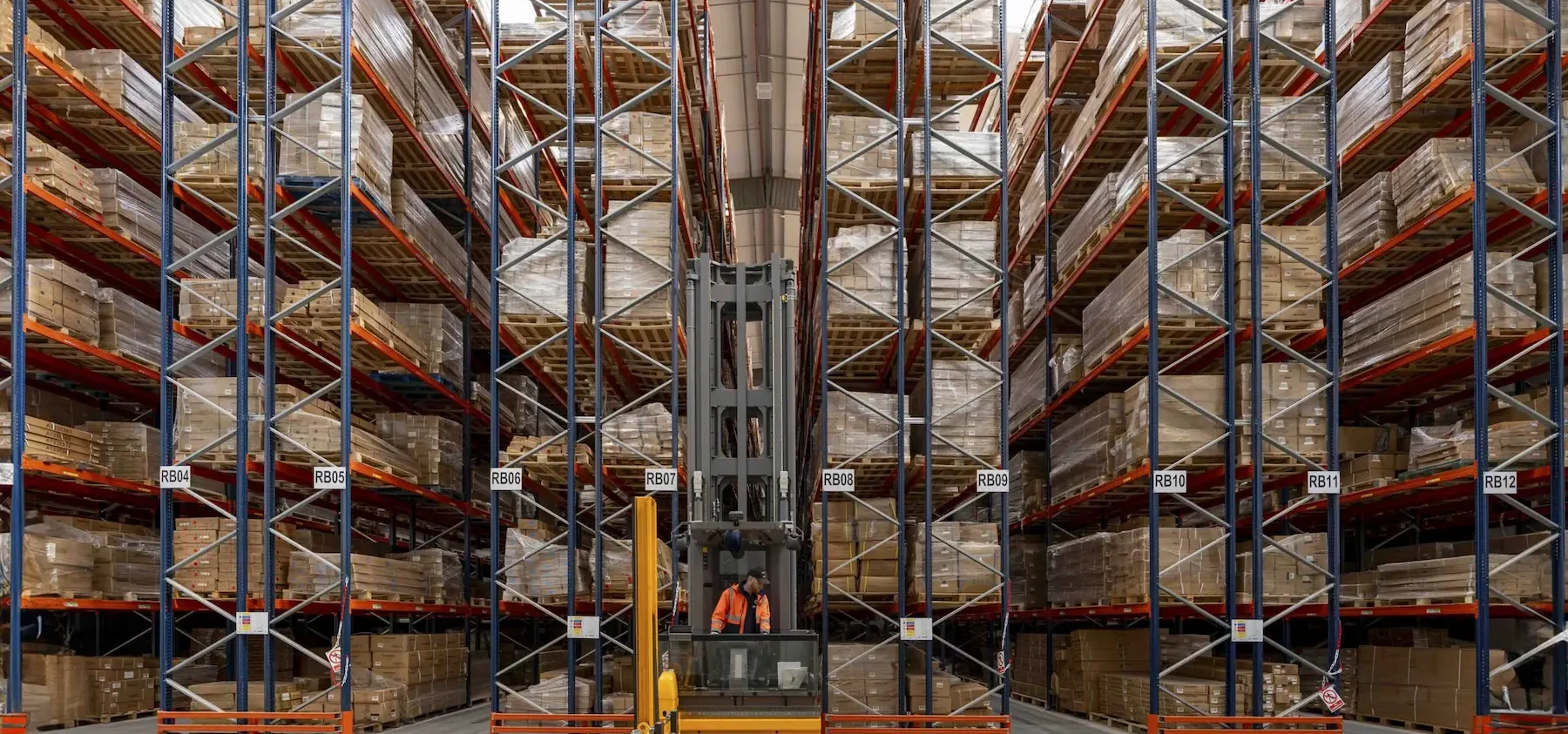
Direct facilities at Felixstowe, Ipswich, and Port One ensure rail and sea containers are devanned, sorted, and stored with minimal drayage costs.
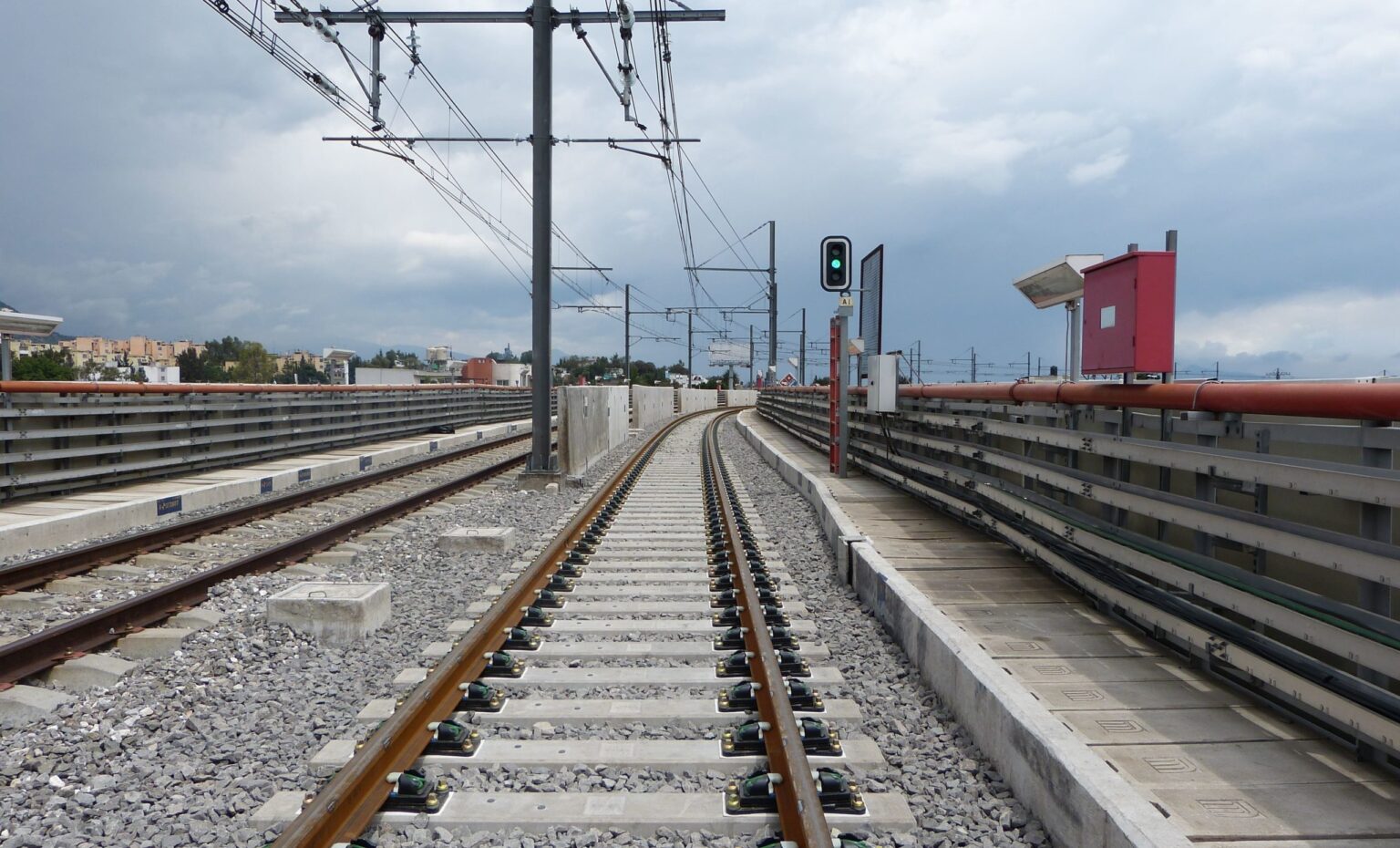
Proven track record transporting complex infrastructure cargo, including rail assemblies for the Mexico City Metro and heavy power systems.
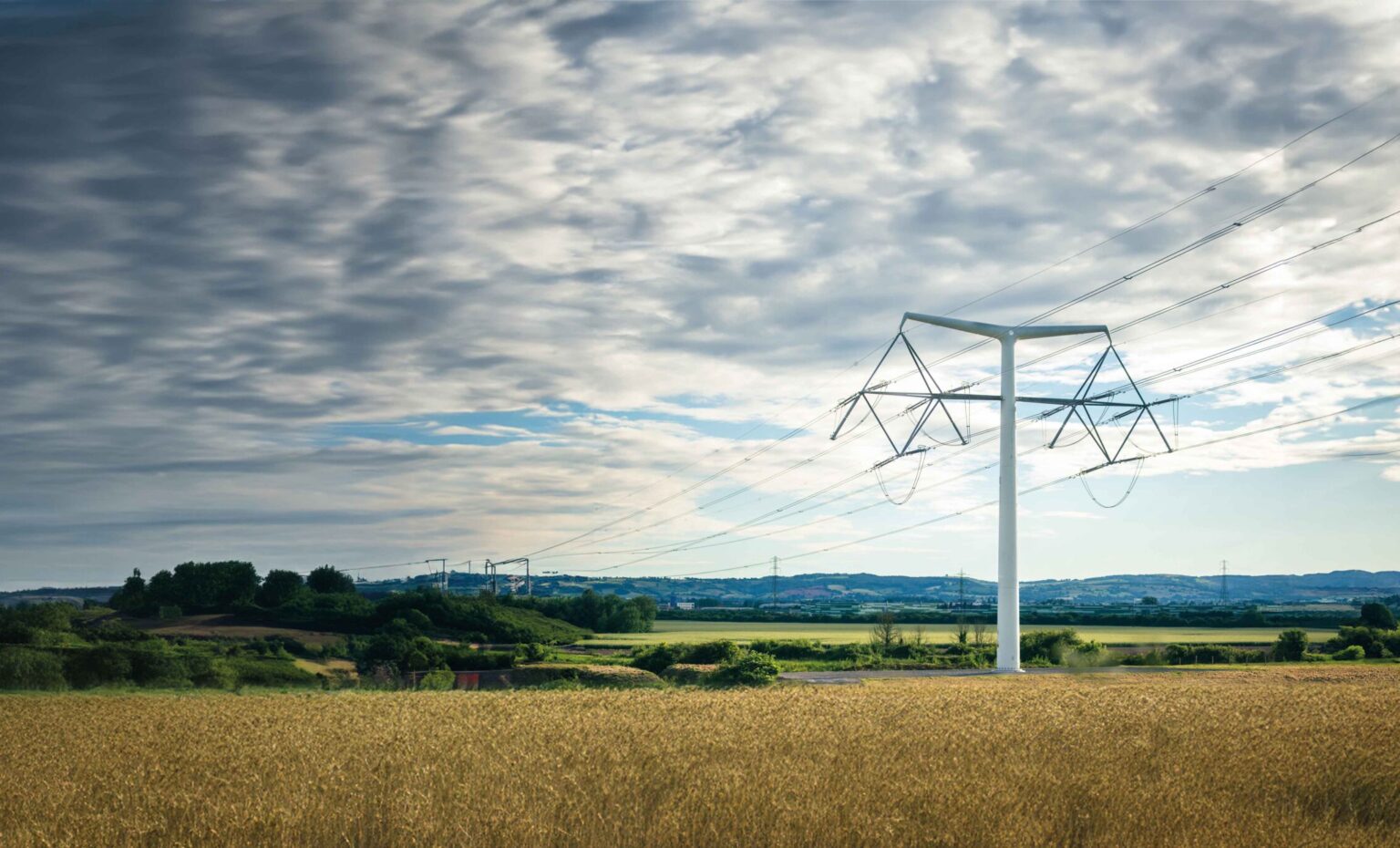
Experienced technical teams conduct route surveys, secure transit permits, and execute specialized modular trailer moves for abnormal industrial components.

Certified Carbon Neutral operations five years ahead of UK mandates; ISO 9001:2015, IATA, and BRCGS AA+ storage accreditation.
Access our comprehensive fleet schedules, route optimization models, and specialized logistics service matrix. Connect with our logistics engineering specialists today.