
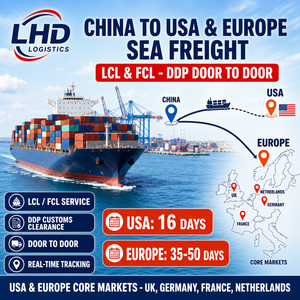
Direct multimodal assets bridging global manufacturing epicenters with Osaka's advanced biomedical, surgical, and healthcare networks.
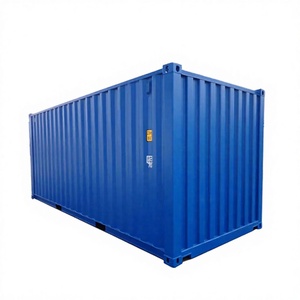




Strategic transport pathways engineered specifically for the precision demands of the Kansai Innovation Comprehensive Special Zone, university research hospitals, and central Osaka device hubs.
The import and physical commissioning of CE-marked diagnostic imaging systems—including high-field superconducting MRI units, PET-CT cyclotrons, and multi-axis angiography equipment—demand shock-mitigated, climate-stabilized corridors. Moving cargo from Osaka Port Container Terminal or Kansai International Airport (KIX) to the Northern Osaka Health and Biomedical City (Kento) or the newly established Nakanoshima Qross (Center for International Medical Innovation) requires air-ride pneumatic suspension trailers, real-time tri-axial shock logger analytics (<1.5G thresholds), and micro-vibration containment.
Logistical personnel coordinate directly with hospital engineering staff for cleanroom offloading, zero-gradient hydraulic jacking, and uncrating under strict ISO Class 7 particulate conditions.
Osaka’s historic pharmaceutical hub in Doshomachi, Chuo-ku, serves as the nerve center for Japan's domestic medical distribution. Consignments of CE-IVD validated enzymatic assays, sequencing kits, and cryopreserved cellular media require uncompromising thermal integrity ranging from +2°C to +8°C, -20°C dry ice phase-change systems, to ultra-low -80°C stirling cryogenic dewars.
Our logistics matrix utilizes multi-sensor GPS thermal dataloggers paired with automated webhook interfaces, providing pharmaceutical wholesalers (oroshi) and university research laboratories with validated timestamp and temperature tracking throughout clearance at KIX Bonded Logistics Facilities.
High-turnover Class II and Class III therapeutic medical devices, such as titanium orthopedic implant assemblies, cardiovascular stent delivery catheters, and ophthalmic phacoemulsification handpieces, require rapid replenishment protocols for Osaka University Hospital, Kindai University Hospital, and the Osaka National Hospital.
We deploy bonded warehousing buffer hubs located in proximity to Hanshin Expressway routes, enabling consignment re-kitting, bilingual Japanese labeling concordance according to PMDA Order No. 169, and scheduled just-in-time delivery directly into surgical staging suites under validated GDP conditions.
Strategic convergence between European Medical Device Regulation (MDR) certifications and Japan’s revised PMDA framework within the expanding Kansai economic zone.
European medical exporters targeting Osaka frequently face complex harmonisation hurdles between EU CE marking under MDR 2017/745 and Japan’s Pharmaceuticals and Medical Devices Act (PMD Act). The regulatory bridge necessitates translating European technical files into Japanese STED (Summary Technical Documentation), validating ISO 13485:2016 design files against MHLW Ministerial Ordinance No. 169 (Japanese QMS), and establishing formal oversight via a designated Marketing Authorization Holder (MAH) or In-Country Caretaker (D-MAH).
Our integrated freight management aligns directly with pre-customs regulatory audits, preventing cargo quarantine at Osaka customs by synchronizing Unique Device Identifiers (UDI) with the Japanese Medical Device Nomenclature (JMDN) classifications before export release.
The hosting of Expo 2025 on Yumeshima Island in Osaka Bay has catalyzed accelerated public and private investment across the Kansai life sciences sector. The Osaka Prefectural Government and local economic federations have targeted next-generation healthtech, regenerative cellular therapeutics (iPSC technology pioneering out of Kyoto and Osaka Universities), and robotic surgery platforms as regional growth engines.
Consequently, import volumes of sophisticated bioprocess skids, cryogenic handling units, and automated micro-manipulation apparatus into the Port of Osaka have surged by over 24% year-over-year. Exporters capable of providing end-to-end trace documentation, anti-tilt verification, and clean, climate-managed ocean containers gain preferential supply access across major regional procurement bids.
Japan’s Ministry of Health, Labour and Welfare (MHLW) has progressively aligned its Good Distribution Practice (GDP) guidelines with international PIC/S standards. This regulatory shift mandates uninterrupted digital audit trails for any temperature-sensitive medical diagnostic reagents or therapeutic biologics transit through Kansai.
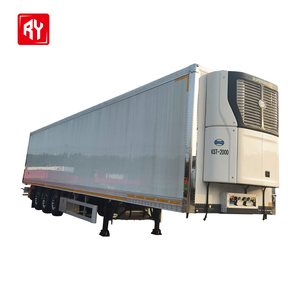
Passive monitoring is no longer sufficient; enterprise purchasing groups in Osaka now mandate active cellular/satellite connected temperature data loggers capable of alerting freight coordinators to thermal deviations in real time. Our shipping assets, including the RUIYUAN 3-Axle high-efficiency multi-temp refrigeration trailers and thermal air cargo pallets, incorporate telemetry that continuously feeds cloud-based regulatory dashboards.
| Medical Device Classification | European CE Classification (MDR) | Japan PMD Act Concordance | Logistics & Transport Environmental Protocol | Kansai Inbound Routing Vector |
|---|---|---|---|---|
| Diagnostic Imaging Units (MRI, CT, Ultrasound) | Class IIa / Class IIb | Class II (Controlled) / Class III | Air-ride suspension, <1.5G shock logging, humidity-sealed export cases (ISPM 15) | Port of Osaka Heavy Lift / OOCL Terminal |
| Cryogenic Biologicals & Media | Class III / In Vitro Diagnostic | Class IV / Specially Controlled | Vapor phase liquid nitrogen (-150°C to -196°C) or dry ice (-78.5°C), calibrated data loggers | Kansai International Airport (KIX) Cold Pharma Hub |
| Sterile Surgical Kits & Implants | Class IIb / Class III | Class III (Specially Controlled) | Climate-controlled ambient (+15°C to +25°C), tamper-evident anti-puncture containment | KIX Express Cargo or FCL Ocean via Osaka Bonded Park |
| Electromechanical Therapy Devices | Class I / Class IIa | Class I (General) / Class II | Electrostatic discharge (ESD) shielding, moisture-barrier vacuum packing | Multimodal Ocean 40HQ to Hanshin Logistics Corridor |
Combining over three decades of British and international freight handling with audited cold-chain facilities, accredited quality management, and port-centric staging.
Our operations are governed by rigorously audited quality frameworks, achieving the highest possible unannounced audit rating of BRCGS Storage & Distribution AA+ alongside full ISO 9001:2015 certification. This structure provides complete trace validation and risk-mitigated Standard Operating Procedures (SOPs) essential for passing stringent PMDA medical warehouse audits.
As an elite-ranked independent IATA cargo agent with strategic physical installations across key hubs—including London Heathrow, Felixstowe, Ipswich, and Liverpool—we operate priority apron access, rapid container breakdown, and direct pharma-freighter block space agreements linking European manufacturing corridors directly into Kansai (KIX).
Through our dedicated port facilities at the Port of Ipswich and Port One, our timber packing teams fabricate bespoke heavy machinery crating engineered to BS EN standards and ISPM 15 wood treatment requirements. Precision moisture-barrier sealing and nitrogen purging safeguard delicate medical electronics against marine humidity during ocean passages.
Our expansive bonded warehousing capabilities allow medical exporters and Osaka importers to hold consignments in fiscal suspension. Import duties and local consumption taxes are held until inventory is officially drawn down for regional distribution, preserving cash flow for high-value diagnostic machines and seasonal surgical stock.
Medical clearance is managed entirely in-house without third-party handoffs. Our dedicated customs declaration specialists coordinate directly on HS code classification, preferential origin trade documentation under bilateral economic partnership agreements, and PMDA import notifications (Yakkan Shoumei) to prevent administrative holds.
Achieving carbon-neutral status five years ahead of the UK's 2030 benchmark, we provide complete Scope 3 carbon emissions data for medical consignments. Operating solar-powered logistics centers and electric material handlers, we support enterprise healthcare conglomerates in fulfilling their corporate environmental commitments.
In-depth technical answers addressing regulatory protocols, customs clearing procedures, and physical handling at Osaka ports.
While a CE certificate under EU MDR 2017/745 does not grant automated market access in Japan, it drastically streamlines PMDA technical evaluations. Japan’s PMDA recognizes technical documentation structured under the International Medical Device Regulators Forum (IMDRF) Summary Technical Documentation (STED) model. By presenting a validated CE technical file, biological evaluation reports (ISO 10993), electrical safety certifications (IEC 60601-1), and clinical evaluation reports (CER), the Japanese Designated Marketing Authorization Holder (D-MAH) can significantly reduce testing cycles and expedite Pre-Market Approval (Shonin) or Pre-Market Certification (Ninsho).
Upon arrival at KIX cargo terminal or Osaka Port (Nanko container docks), cargo enters a bonded customs area (Hozei Chiiki). Before declaration to Osaka Customs, the importer must present the "Yakkan Shoumei" (Import Confirmation Certificate issued by the Ministry of Health, Labour and Welfare) or prove active MAH/D-MAH registration. The customs declaration package must include the verified commercial invoice, packing list detailing serial numbers, ocean bill of lading or airway bill, and certificate of origin. Once verified against PMD Act criteria, customs inspection takes place, applicable Japanese consumption taxes (10%) are satisfied, and clearance is granted.
Urban deliveries to major research facilities and central hospitals within Osaka face strict physical limitations, including narrow arterial roadways, low structural clearances, and strict noise ordinances. Large 40ft containers cannot directly access most urban medical loading docks. We manage cross-docking operations at our Hanshin-adjacent regional staging points, devanning freight onto rigid 2-axle to 3-axle tail-lift trucks equipped with pneumatic suspensions. Delivery windows are scheduled during early morning off-peak hours (04:00 - 06:30) with local police road permits (Doro Shiyo Kyoka) arranged in advance for sidewalk or street-level crane deployment.
For high-value medical hardware, DDP (Delivered Duty Paid) or DAP (Delivered at Place) are frequently requested by Japanese procurement departments wanting to minimize regulatory and logistics burdens. However, because foreign entities without a registered office in Japan cannot act as the Importer of Record (IOR) for regulated medical goods, standard DDP requires the designated Japanese MAH/D-MAH to execute customs formalities. In this structure, we operate under a customized DDP-split arrangement, where the freight forwarder covers all transport, marine insurance, and customs handling, while the local licensed MAH serves as legal IOR for compliance verification.
To meet the Japanese Good Distribution Practice guidelines, thermal integrity must be fully validated throughout all transit legs. We utilize continuous multi-sensor real-time IoT monitors inside passive shipper packaging (VIP vacuum insulated panels with phase change materials) or active thermal reefer units. Real-time data streams covering internal temperature, external ambient temperature, GPS geographic location, ambient light exposure (door-opening alerts), and shock events are transmitted to our command center. Upon arrival, an audit-proof digital PDF calibration and temperature log is released immediately to the receiving Quality Assurance manager.
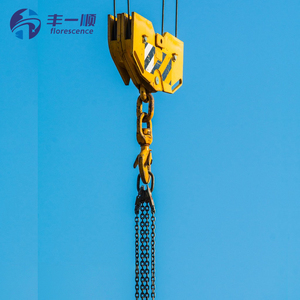
Sensitive instruments like laser surgical optics, electron microscopes, and MRI magnets are vulnerable to mechanical shock, angular tilt, and magnetic interference. Our handling protocols mandate specialized heavy-test alloy steel lifting apparatus (NACM1996/2003 G43 standards), bespoke ISPM 15 timber internal crating with custom elastomeric dampening mounts, and tri-axial digital shock loggers. Containerized sea cargo is booked exclusively on mid-ship, below-deck berths to minimize roll and angular pitching forces throughout transit through the Pacific and South China Seas.
Consult with our life sciences logistics directors to plan GDP-compliant ocean freight, express air corridors into KIX, customs documentation, and precision hospital delivery across Kansai.