UK Freight Compliance White Paper

CE Certified Road Freight Haulage Factories & Suppliers in the United Kingdom market

Institutional procurement framework, cross-border arterial routes, and engineering standards for integrated haulage, port-centric distribution, and freight forwarder infrastructure.

Verified Hardware & Logistics Inventory

Featured Equipment & Global Haulage Supply Lines

Factory-direct commercial vehicles, specialized intermodal freight hardware, load containment systems, and automated sorting infrastructure compliant with UK and European logistics standards.

30+
Years Operational History
6 UK
Port & Hub Network Sites
100%
CDS / NCTS Compliant
Net0
Carbon Target Leading Ahead
Regulatory Architecture

Defining CE Certification & UK Conformity in Road Haulage Operations

A technical taxonomy of structural load security, European Machinery Directives, and cross-channel transit standards governing commercial freight movement in the British Isles.

EN 12195 Load Restraint & Lashing Certification

CE-marked road haulage equipment must adhere rigorously to EN 12195 standards, dictating the friction, tensile strength, and structural tolerance of welded tie-down chains, ratchet assemblies, and curtainside trailer superstructures. In the UK market, the DVSA (Driver and Vehicle Standards Agency) enforces zero-tolerance roadside vehicle checks, verifying that heavy industrial shipments and side-access containers operate certified restraint calculations against lateral, forward, and backward G-forces.

Machinery Directive 2006/42/EC & UKCA Parity

For specialized road transport involving hydraulic tail lifts, modular multi-axle trailers, side-loader container chassis, and automated pick-and-pack robotics, equipment must carry certified Declarations of Conformity. The transition between CE markings and UKCA (UK Conformity Assessed) demands meticulous technical files, guaranteeing that electromechanical systems, pneumatic braking components, and structural steel welds maintain dual-border compliance without customs clearance delays.

TIR Carnet & Trans-European Customs Security

Navigating post-Brexit trade between Britain and mainland Europe necessitates strict adherence to the TIR (Transports Internationaux Routiers) convention and the Union Transit system via NCTS. CE-certified road freight units and secure customs seals allow sealed road vehicles to traverse international borders from the UK through the Dover-Calais Straits or Port of Felixstowe into European territory with streamlined duty suspension, mitigating border friction and inspections.

Haulage Asset / Protocol Governing Standard Operational Capacity UK Highway & Port Compliance Inspection Regime
Curtainside Superstructures (Code XL) EN 12642 XL Up to 44 Tonne GVW Full UK Highway Approved Annual DVSA MOT & Structural Audit
Welded Transport Tie-Down Chains EN 818-2 / EN 12195-3 6,000 kg – 16,000 kg Lashing Docks & Motorway Cleared 6-Month LOLER & Visual Check
Heavy Abnormal Haulage Trailers STGO Cat 1, 2, & 3 44,000 kg – 150,000 kg+ Special Order Route Escorts Pre-Movement Police & Bridge Authority
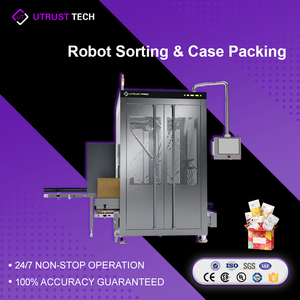
Delta Parallel Case Packing Robotics Machinery Dir. / EN ISO 10218 Up to 120 cycles / min CE / UKCA Certified Factory PUWER Assessment
Bonded Road In-Transit Parcels NCTS Phase 5 / CDS System Full Truck Load (FTL) & LCL HMRC Authorized Transit Real-Time Digital Manifest Auditing
Arterial Route Mapping

Localized Application Scenarios Across British Trade Corridors

Optimized routing, port-centric devanning, and heavy project haulage engineered for the complex infrastructure demands of the United Kingdom.

The A14 Port-to-Midlands Container Corridor

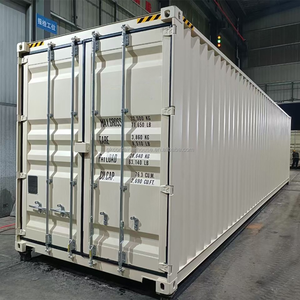
Felixstowe and the Port of Ipswich handle the primary share of deep-sea containerized imports entering Britain from the Far East. Road freight operations on the A14 artery require high-frequency turnaround, skeletal twist-lock trailers, and side-opening container handling to move dry maritime boxes swiftly toward distribution centres in the "Golden Triangle" of the East and West Midlands.

Urban Consolidation & Direct Vision Standard (DVS)

Transporting freight across Greater London and inside the M25 ring road imposes stringent regulatory criteria. Haulage fleets must strictly comply with Transport for London's (TfL) Direct Vision Standard (DVS) and Progressive Safe System (PSS), incorporating blind-spot camera sensor arrays, auditory turn warnings, and low-emission chassis for parcel dropshipping and retail stock distribution.

Civil Infrastructure & Abnormal Loads

National infrastructure programmes—such as Hinkley Point C, HS2 civil rail development, and North Sea offshore wind farms—demand specialized STGO heavy haulage. These movements involve multi-axle steerable low-loaders, detailed route surveys, overhead obstacle clearances, and certified lashing chains capable of handling individual modular pieces exceeding 100 metric tonnes.

Market Modernisation

UK Freight & Haulage Strategic Development Trends

The British freight sector is navigating an unprecedented structural transformation driven by post-Brexit border enforcement, rigorous ESG Scope 3 compliance, and digital fleet telemetry.

Procurement directors and factory supply chain heads must adapt their logistics contracts to satisfy emerging technical expectations:
  • Decarbonisation & HVO Biofuel Adoption: Progressive transition from conventional diesel to Hydrotreated Vegetable Oil (HVO) and electric tractor units for port-to-hub drayage.
  • Port-Centric Bonded Consolidation: Positioning storage directly adjacent to major entry ports like Felixstowe and Liverpool to negate empty road miles and eliminate port demurrage fees.
  • Full Telemetric Integration: Real-time telematics delivering live axle load calculations, cold-chain temperature telemetry, and ETA prediction via API connectors.
Get Catalog
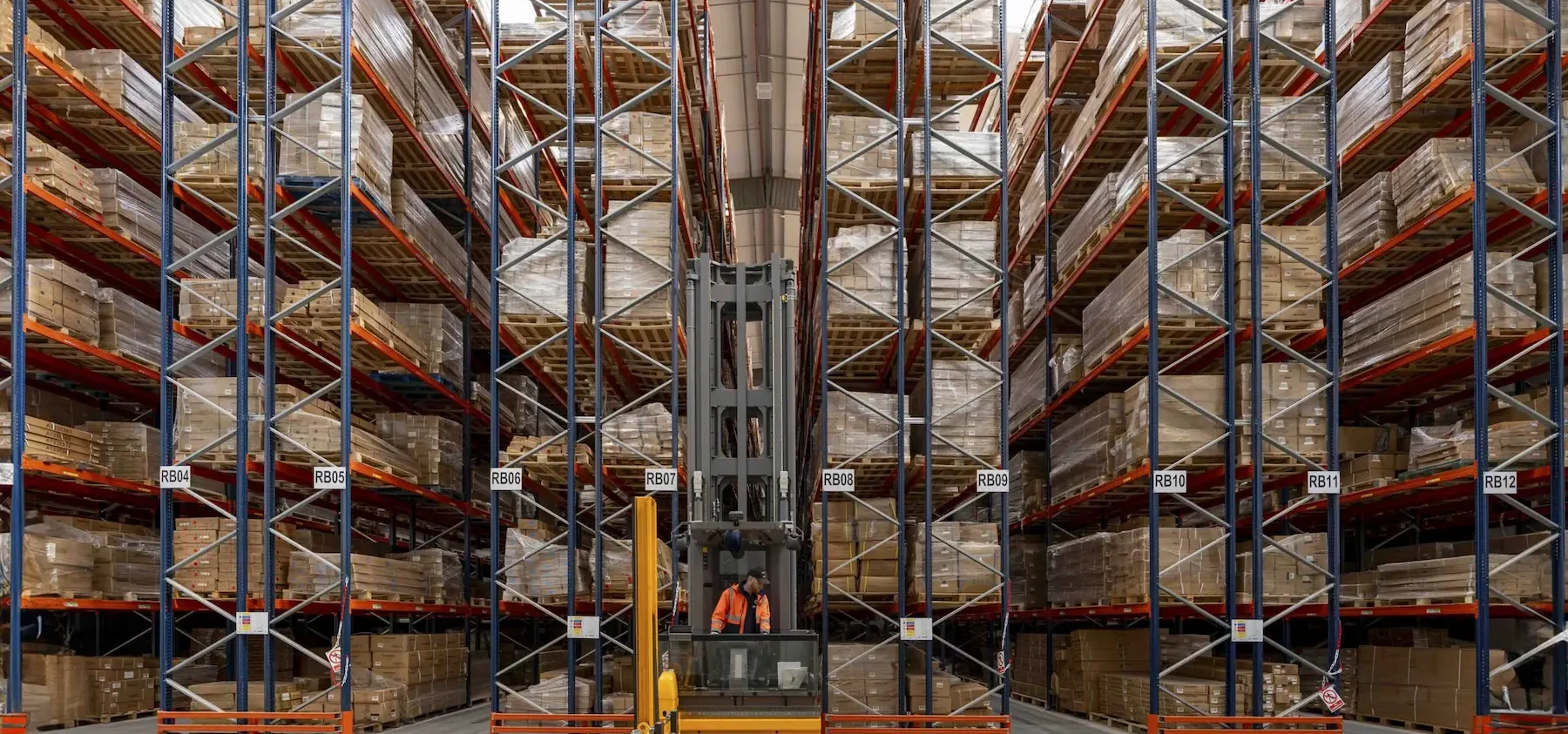
Port-centric warehousing and haulage distribution complex in Suffolk UK
The Enterprise Infrastructure

Operational Strengths & Accredited Supply Chain Architecture

Combining thirty years of freight forwarding authority with owned UK port infrastructure, audited standards, and single-source logistics accountability.

ISO 9001:2015 & BRCGS AA+ Storage

Independently audited quality management systems spanning customs brokerage, road transport logistics, and premium warehousing. Holding the elite unannounced BRCGS AA+ rating ensures FMCG, food, and pharmaceutical goods comply with pristine hygiene and safety benchmarks.

Port-Centric Bonded Facilities

Strategic operational depots located directly at Felixstowe, Port One Suffolk, the Port of Ipswich (ABP Westbank), London Heathrow, and Liverpool. Customs bonded warehousing suspends UK duty and VAT on arrival, substantially augmenting importer operating cash flows.

Export Packaging & Case Fabrication

In-house industrial carpentry and certified case-making operations providing bespoke ISPM 15 heat-treated crating, heavy machinery packaging, barrier-foil vacuum sealing, and container lashing at ABP's Port of Ipswich to eliminate maritime and road transit damage.

Carbon Neutrality Ahead of 2030

Certified carbon neutrality achieved five years ahead of national statutory schedules. Solar-powered warehouse facilities, electric handling equipment, and detailed per-shipment Scope 3 carbon emission disclosures support verified corporate environmental audits.

Hemisphere operations team coordinating UK freight

Integrated Traffic Management

Real-time control tower supervising multi-hub trailer dispatch, port bookings, and driver hours compliance across Britain.

T-Pylon project cargo for UK national energy network

National Grid Project Haulage

Specialist transportation and engineering route clearance for the 57km T-pylon infrastructure at Hinkley Point C.

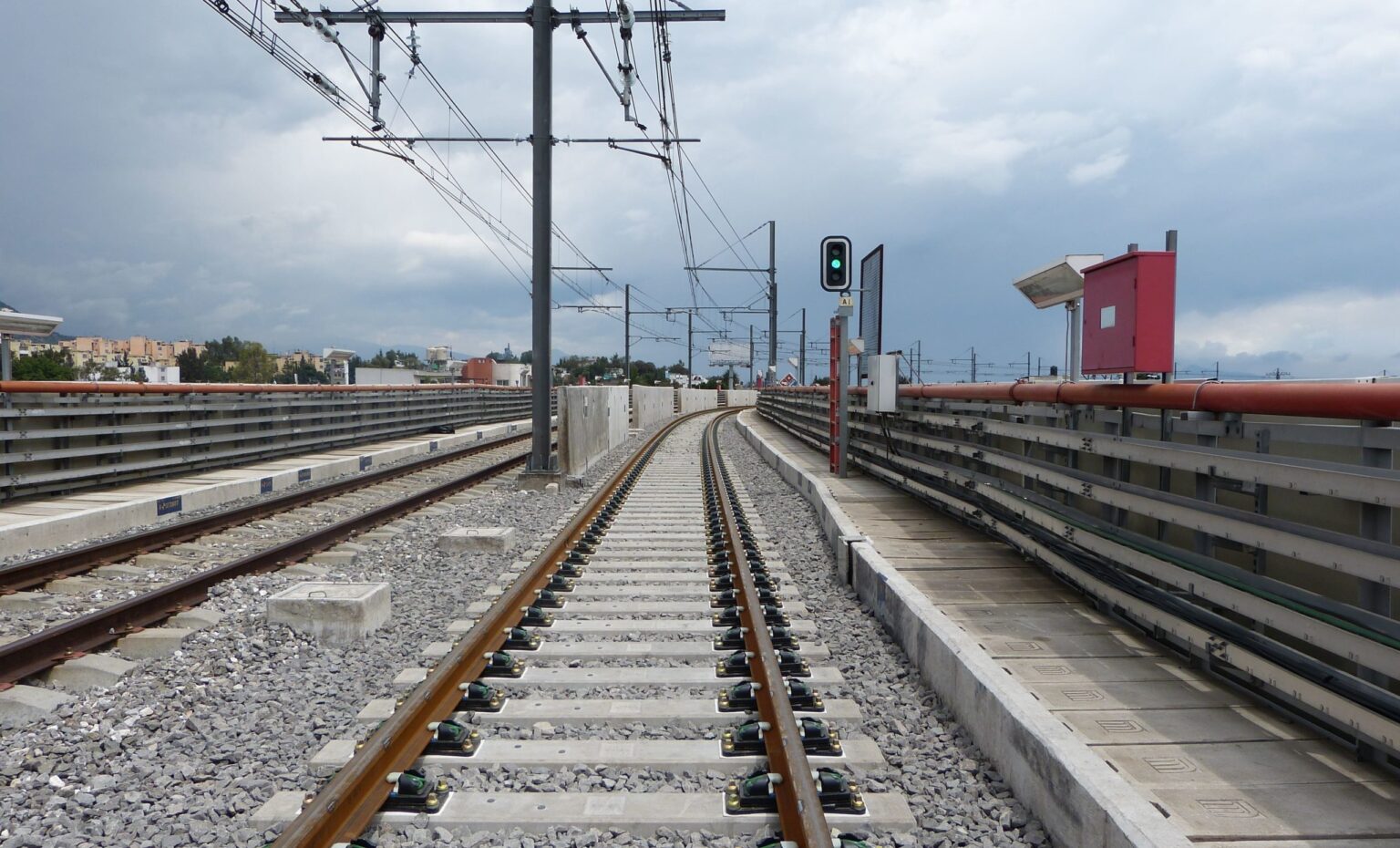
Industrial rail infrastructure haulage and export movement

Civil Engineering Rail Cargo

Multimodal heavy freight forwarding coordinating industrial rail track assemblies and high-capacity equipment movements.

Procurement Intelligence

Frequently Asked Questions for UK Freight Procurement

Authoritative answers on post-Brexit compliance, equipment standards, VAT deferment, and carrier selection criteria.

What documentation certifies that road freight securing equipment meets UK highway standards?
In the United Kingdom, load restraint hardware must conform to European Standard EN 12195 (specifically parts 2 for web lashing, 3 for lashing chains, and 4 for wire ropes) or British Standards equivalent. Suppliers must provide a Declaration of Conformity and verifiable Test Certificates detailing the Lashing Capacity (LC) in decanewtons (daN) and Minimum Breaking Strength. Equipment used must carry indelible identification tags indicating the manufacturer's mark, manufacturing date, and certification standard. During roadside enforcement, DVSA examiners verify these marks alongside Code XL body integrity certificates.
How does operating via a UK customs bonded warehouse improve commercial cash flow?
A customs bonded warehouse (Type 1 or Public Bond) enables importers to suspend UK Import Customs Duty and Value Added Tax (VAT) indefinitely while goods remain in secure storage. Duty and VAT are calculated and paid solely when individual consignments are released into UK free circulation to fulfill purchase orders. Furthermore, if the products are scheduled for re-export into the European Union or other international territories, UK import duties are completely avoided, eliminating capital stagnation and shielding operations from fluctuating currency risks.
What is the maximum Gross Vehicle Weight (GVW) permissible for road haulage across the UK?
Under the UK Road Vehicles (Construction and Use) Regulations, standard articulated vehicle combinations (6 axles, including a 3-axle tractor unit and 3-axle semi-trailer) operate at a maximum gross weight limit of 44 tonnes (44,000 kg). When cargo exceeds this mass or standard road-profile dimensions (2.9m width or 18.65m overall combination length), the movement falls under the Road Vehicles (Authorisation of Special Types) General Order 2004 (STGO). Movements categorized under STGO Cat 1 (up to 46t/50t), Cat 2 (up to 80t), or Cat 3 (up to 150t) necessitate advance statutory notifications to highway authorities, police escorts, and bridge capacity surveys.
How have CDS (Customs Declaration Service) and GVMS impacted cross-border haulage transit?
HMRC's full transition to the Customs Declaration Service (CDS) and the Goods Vehicle Movement Service (GVMS) has fully digitized UK border control. Hauliers entering or departing Ro-Ro ports (such as Dover, Holyhead, and Felixstowe) must upload pre-lodged customs entries, generating a single Goods Movement Reference (GMR) barcode before boarding ferries or the Eurotunnel shuttle. Without a valid GMR linked to cleared CDS import declarations or NCTS transit accreditations (T1 status), vehicles are systematically denied boarding at European and UK border terminals.
What parameters distinguish Full Container Load (FCL) from Less than Container Load (LCL) in road drayage?
FCL road drayage involves assigning a dedicated skeletal skeletal trailer directly to collect a sealed 20ft, 40ft, or 45ft high-cube maritime shipping container from the container berth (e.g., Felixstowe or Southampton) for direct delivery to the customer's warehouse unloading dock. LCL shipments, conversely, involve shipping multiple cargo consignments sharing container volume. These boxes must be hauled to an authorized port-centric Container Freight Station (CFS) for devanning, sorting, palletisation, and secondary distribution via tautliner or tail-lift box truck networks.
Direct Engineering Consultation

Procure Certified Freight & Transport Infrastructure

Initiate a technical routing assessment, request detailed product compliance documentation, or speak directly with accredited British logistics and haulage specialists.

Get Catalog