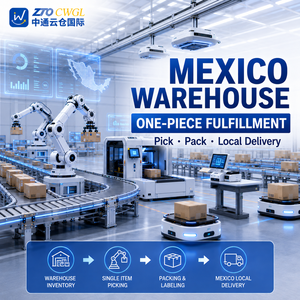
Explore our flagship consolidation solutions, automated temperature-controlled containers, standard load-bearing platforms, and intercontinental multimodal freight services connecting industrial centers.
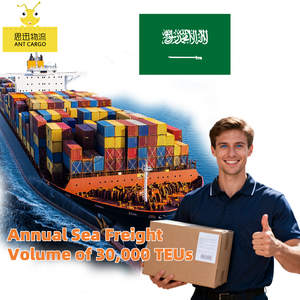
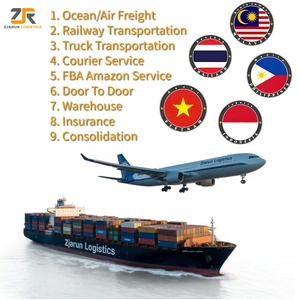
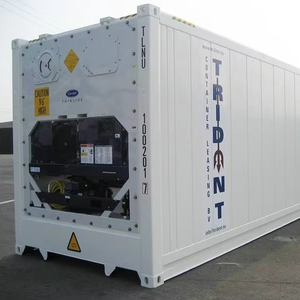

An authoritative operational blueprint addressing biological shelf-life preservation, Ministry for Primary Industries (MPI) biosecurity protocols, and thermodynamic continuity across Oceania.
The bilateral agricultural and high-tech nutritional trade between the People's Republic of China and New Zealand represents one of the world's most demanding cold-chain corridors. Guided by the upgraded China-New Zealand Free Trade Agreement (NZ-China FTA) and the Regional Comprehensive Economic Partnership (RCEP), bilateral cargo streams demand zero-tolerance temperature excursion management. Whether moving seasonal agricultural ingredients, high-value functional dairy derivates, aquaculture, or temperature-sensitive pharmaceutical precursors, modern supply chain procurement demands more than passive cold storage. It requires a synchronized, end-to-end biological preservation infrastructure.
As premier cold chain warehousing suppliers with port-centric hubs strategically located in Ningbo-Zhoushan, Qingdao, Shanghai, and Shenzhen, we provide New Zealand importers and distributors with seamless thermal stability. From the moment manufactured or harvested commodities reach our bonded staging depots to the final devanning operations at Ports of Auckland, Port of Tauranga, or Lyttelton Port, our thermodynamic controls eliminate micro-crystallization in frozen cargo, prevent cellular respiration spikes in perishables, and guarantee absolute biochemical integrity.
Operational Benchmark: Complete cold integrity is maintained using telemetric IoT sensor matrices calibrated against the New Zealand Food Act 2014 and the Ministry for Primary Industries (MPI) Import Health Standards (IHS), ensuring zero biological cross-contamination and instantaneous clearance verification upon arrival.
A resilient cold-chain warehouse requires complex atmospheric isolation. Ordinary general cargo hubs cannot preserve temperature-sensitive stock due to thermal bridging, humidity fluctuations, and stagnant airflow. Our facilities are designed with segregated thermodynamic envelopes engineered for distinct thermal classifications:
Deep-Freeze Cryogenic & Preservation (-28°C to -18°C): Designed for frozen aquatic products, prepared proteins, and specialty vacuum-packed items. High-velocity refrigeration systems equipped with automated variable-frequency scroll compressors ensure constant enthalpy control, preventing enzyme degradation and cell membrane rupture.
Precision Chilled Zone (0°C to +4°C): Tailored specifically for fresh produce, minimally processed horticultural stock, pre-packaged meats, and active biological ingredients. Atmospheric airflow is maintained at strict dew point differentials to suppress spore propagation while mitigating moisture loss that impairs cargo weight and visual market appeal.
Controlled Ambient & Confectionery (+15°C to +25°C): Standardized for health supplements, high-grade nutraceutical powders, medicinal components, and delicate confectionery goods prone to thermal shock or fat blooming during tropical sea transits.
| Thermal Categorization | Target Temperature Spectrum | Atmospheric / RH Control | Typical NZ Import/Export Commodities | Cold-Chain Verification Standard |
|---|---|---|---|---|
| Ultra-Deep Frozen | -30°C to -25°C | Ambient RH < 65% Frost-Free | Specialized biologicals, premium marine catches, ice cream matrices | Continuous multi-point IoT probes (NIST certified) |
| Standard Frozen | -18°C to -22°C | Vapor-sealed desiccant defrost | Processed meats, bulk culinary vegetables, prepared doughs | HACCP & BRCGS AA+ unannounced audit logs |
| Chilled Fresh Produce | 0°C to +2°C | RH 85% – 95% Controlled Ethylene | Apples, kiwifruit, stone fruit, stone-fruit extracts, leafy greens | MPI Risk Management Programme (RMP) Alignment |
| Bio-Pharmaceutical & Dairy | +2°C to +8°C | Micro-filtered Positive Pressure | Colostrum extracts, lactoferrin powders, clinical injectables | GDP (Good Distribution Practice) & Medsafe guidelines |
| Conditioned Ambient | +15°C to +22°C | RH 50% – 60% Climate-Conditioned | Wine, botanical concentrates, high-tier confectionery, nutraceuticals | Automated climate telemetry with cloud alarms |
Decades of international intermodal proficiency merged with audited certifications, specialized port infrastructure, and aggressive green logistics targets.
Our warehousing infrastructure holds the highest unannounced audit rating under the BRCGS Global Standard for Storage and Distribution. We uphold stringent HACCP controls, sanitized staging docks, and digital traceability down to pallet, batch, and SKU identifiers.
Positioned within direct feeder zones of China's principal deep-water container terminals, our cold facilities feature direct plug-in reefer transfer corridors. By eliminating prolonged inland transit, we shield cold cargo from temperature spikes prior to vessel loading.
Every reefer container and storage bay features wireless BLE temperature, humidity, and CO2 data loggers. Clients receive an auditable chain-of-custody data report covering pre-cooling, maritime navigation across equatorial belts, and final customs staging.
Equipped with blast freezing chambers capable of pulling down core temperatures to -35°C in hours. We eliminate heat islands inside freshly packed pallets before consolidating them into ISO-certified 20ft or 40ft high-cube refrigerated containers.
Operate under bonded cold warehousing regimes where customs duties, VAT, and local excise are suspended. NZ importers can manage cash flow effectively by releasing goods in split batches as retail demand requires or transshipping to broader Pacific island markets.
Achieved verified carbon neutrality 5 years ahead of mandatory targets. Our warehouse rooftops utilize expansive solar photovoltaic arrays powering low-GWP ammonia/CO2 subcritical cascade refrigeration systems, minimizing Scope 3 emissions for our partners.
Engineering customized warehousing and intermodal routes to address the unique supply chain dynamics of North Island distribution centers and South Island agricultural heartlands.
Serving nationwide supermarket distribution hubs across Wiri, Highbrook, and Mt Wellington. We handle pre-sorted chilled goods, quick-service frozen foods, and packaged consumer ingredients requiring rapid devanning and cross-dock dispatch within 24 hours of vessel berthing.
Port of Tauranga represents NZ's premier container export hub. Our reciprocal cold consolidation allows for balanced backhaul logistics, staging incoming food-processing ingredients from China alongside outbound kiwifruit, avocado, and dairy logistics systems.
All plant and animal-derived imports must satisfy rigorous Ministry for Primary Industries standards. Our facilities manage specialized fumigation, phytosanitary treatment verification, and BACC (Biosecurity Authority Clearance Certificate) pre-inspection workflows.
Facilitating deep-frozen protein transfers and specialized agricultural imports via Lyttelton Port into Christchurch. Our network integrates heavy haulage and thermal container fleets configured to navigate alpine distribution corridors without temperature deviations.
Anticipating regulatory developments, environmental mandates, and technological shifts across the Pacific trade lanes.
With the International Maritime Organization (IMO) carbon intensity regulations (CII) tightening, Kiwi importers are selecting cold chain suppliers equipped with Carrier Transicold NaturaLINE carbon-neutral refrigerants and electric transport assets to mitigate enterprise Scope 3 carbon taxes.
MPI is accelerating paperless biosecurity clearance. Our proprietary WMS links directly with electronic customs portals, transmitting automated temperature telemetry, packing declarations, and treatment logs ahead of vessel arrival to fast-track quarantine approval.
The rapid growth of temperature-controlled cross-border e-commerce in New Zealand has generated high demand for single-piece thermal parcel pick-and-pack fulfillment. Our multi-zone warehouses feature automated dry-ice, gel-pack, and insulated foil packaging stations.
From farm-gate receipt and pre-cooling to customs devanning, review our standardized procedure ensuring continuous cold compliance.
Cargo receipt inside sealed temperature dock bays. Inbound core temperature logging, blast cooling to target thermal range, and packaging inspection.
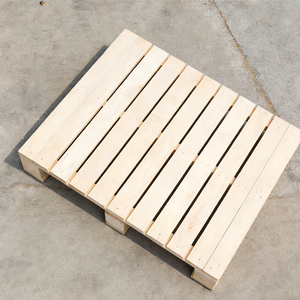
Placement on fumigated ISPM-15 compliant pallets. Allocation to automated high-bay multi-temperature racking managed under strict FIFO inventory rules.
Transfer into pre-cooled 20ft/40ft reefer containers via sealed climate docks. Real-time calibration of microprocessors and deployment of satellite IoT trackers.
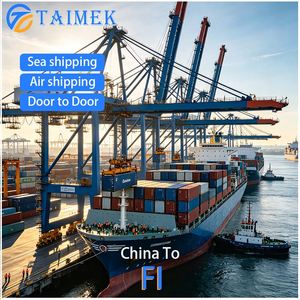
Direct express sea shipment along the Sino-Australasian trade lanes. Active power plug management with unbroken hourly thermal audit reporting.
Rapid customs and biosecurity clearance at Auckland, Tauranga, or Lyttelton. Direct cold-chain de-stuffing or refrigerated line-haul delivery across New Zealand.
Clear technical insights on biosecurity compliance, reefer demurrage risk mitigation, temperature insurance, and multi-modal cold logistics.