Engineered for strict German import compliance (LMHV, AMG, GDP, and IFS Logistics). Discover certified multimodal cold shipping lines, prefabricated cold-storage structures, and heavy industrial cargo securing for global exporters entering Germany.
Time-critical palletized air delivery equipped with dry ice or phase-change materials (PCM), fully calibrated for urgent European and German pharma transfers.
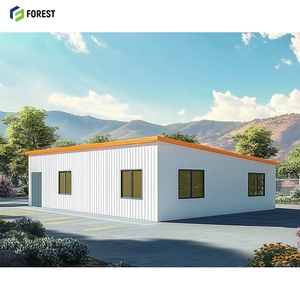
Modular thermal-insulated industrial cold storage construction featuring PIR/PUR insulated panels and drive-in high bays tailored for German regional hubs.

Guaranteed allocation schedules and fixed-cost bookings for containerized temperature-tracked cargo, interfacing with global automated warehousing networks.
Volumetric CBM consolidated temperature-controlled options providing seamless door-to-door clearance, ATLAS customs declaration, and bonded delivery.
Multi-supplier cross-docking and quality inspection protocols ensuring intact cold chain packaging before dispatch to major western European hubs.

Heavy-duty high-tensile galvanised securing chains engineered for heavy refrigeration machinery, industrial compressor units, and marine container lashing.
Direct full container load (FCL) refrigerated liner bookings with controlled atmosphere (CA) technology for bulk perishable imports into Hamburg and Bremerhaven.
Active RKN/RAP container solutions with pre-booked tarmac transfer at Frankfurt CargoCity, securing unbroken temperature tracking for specialty bio-ingredients.
Four distinct validated temperature regimes maintained across marine, aviation, and European road haulage.
100% compliant data loggers with encrypted NIST-traceable cloud telematics for instant audit defense.
Protected by triple redundancy power inverters and pre-conditioned VIP packaging across all intermodal transfer lanes.
Carbon-neutral transport facilities operating 5 years ahead of the national 2030 benchmark.
Germany represents the largest consumer and manufacturing market in the European Union. Operating a resilient cold supply chain requires localized route engineering, tailored border handling at specific seaports and airports, and alignment with Federal Ministry of Food and Agriculture (BMEL) and Federal Institute for Drugs and Medical Devices (BfArM) regulations.
Serving as Germany's premier refrigerated ocean gateway, our Hamburg reefer corridors connect arriving Far-East container vessels directly to the Waltershof cold inspection facilities. We handle direct devanning into German cold stores, veterinary inspections (BIP), and rapid onward distribution to retail headquarters across Lower Saxony and North Rhine-Westphalia.
Operating within the Perishable Center Frankfurt (PCF) ecosystem, our air cargo channels ensure tarmac transfers under continuous +2°C to +8°C and +15°C to +25°C control. Active dry-ice replenishment and GDP-trained ramp handlers protect international clinical trial batches and API exports routed to Darmstadt, Ludwigshafen, and Basel.
The world's largest inland port represents the epicenter of German chemical and packaged consumer food distribution. Our integrated supply line leverages electric-plugged reefer barges along the Rhine corridor into bonded, temperature-controlled distribution warehouses serving 30 million consumers within a 150km radius.
South Germany's biomedical and automotive coatings sector demands sub-zero thermal stability. We execute dedicated ATP-certified temperature-controlled road haulage connecting air arrivals directly to research clusters in Martinsried, Regensburg, and Erlangen, accompanied by real-time GPS temperature data feeds.
| Thermal Classification | Permissible Tolerance Range | Typical Commodities (German Inbound) | Monitoring & Telematics Protocol | Standard Compliance Framework |
|---|---|---|---|---|
| Cryogenic / Deep Frozen | -80°C to -20°C (±0.5°C) | mRNA Vaccines, Biological Specimens, Frozen Plasma | Active dry ice sublimation monitor, dual-probe RTD | EU GDP Annex 15 |
| Standard Frozen | -18°C to -25°C (±1.0°C) | Processed Seafood, Frozen Poultry, Bakery Doughs | Continuous interior wireless sensor DIN EN 12830 | ATP Class FRC |
| Chilled / Cold Storage | +2°C to +8°C (±0.5°C) | Insulin, Biopharmaceuticals, Fresh Specialty Dairy | 4G/5G real-time telematics with immediate SMS alerts | AMG § 63 & GDP |
| Controlled Ambient | +15°C to +25°C (±1.5°C) | Finished Solid Dosage Tablets, Medical Devices, Cosmetics | Integrated reefer microprocessors, data logger archive | IFS Logistics 2.3 |
German enterprise procurement departments are transitioning from simple freight cost calculations to comprehensive risk-mitigated, ESG-verified cold chain strategies. Exporters targeting Germany must adapt to three structural developments driving the logistics landscape.
Under the German Supply Chain Due Diligence Act (Lieferkettensorgfaltspflichtengesetz - LkSG), German corporations with over 1,000 employees are legally liable for human rights and environmental compliance across their international tier-1 and tier-2 logistics vendors. Exporters must provide audited Scope 1, 2, and 3 emission transparency. The adoption of solar-powered cold warehouses and battery-assisted reefer truck fleets is quickly becoming a strict prerequisite for securing long-term master service contracts.
Traditional USB temperature loggers retrieved at container destuffing are no longer accepted by leading German pharma and high-end retail distributors. Standard operating procedures now demand IoT-enabled active sensor probes that transmit temperature, relative humidity, door openings, and shock data over global cellular/NB-IoT bands. Machine learning algorithms analyze external ambient weather shifts across transit corridors to anticipate compressor load anomalies before threshold breaches occur.
The revised European F-gas Regulation (EU 2024/573) mandates aggressive quota reductions for hydrofluorocarbons (HFCs) with high Global Warming Potential (GWP). German logistics parks and municipal cold facilities are rapidly phasing out R404A and R134a systems in favor of industrial CO2 (R744) cascade systems and Ammonia (R717) configurations. Overseas factories shipping modular cold units or reefer containers into Germany must ensure cooling equipment satisfies these evolving German eco-refrigerant standards.
Built on more than 30 years of premier international third-party logistics execution, we combine port-centric European infrastructure, certified compliance credentials, and single-source accountability from Asian factory floors to German retail fulfillment centers.
Audited and verified under the world's most rigorous quality benchmarks, including the highest unannounced audit rating (BRCGS AA+) for food-grade, cosmetics, and sensitive consumer goods handling.
Proactively certified carbon neutral ahead of national 2030 sustainability requirements. We provide German buyers with precise Scope 3 digital emissions reporting per freight consignment.
Strategic maritime facilities situated directly beside container gates eliminate prolonged highway drayage, demurrage risks, and avoidable temperature handoff breaches.
Direct allocations with premier air carriers across Frankfurt (FRA), Heathrow (LHR), and Amsterdam (AMS), facilitating pre-conditioned pharmaceutical container swaps on airport tarmacs.
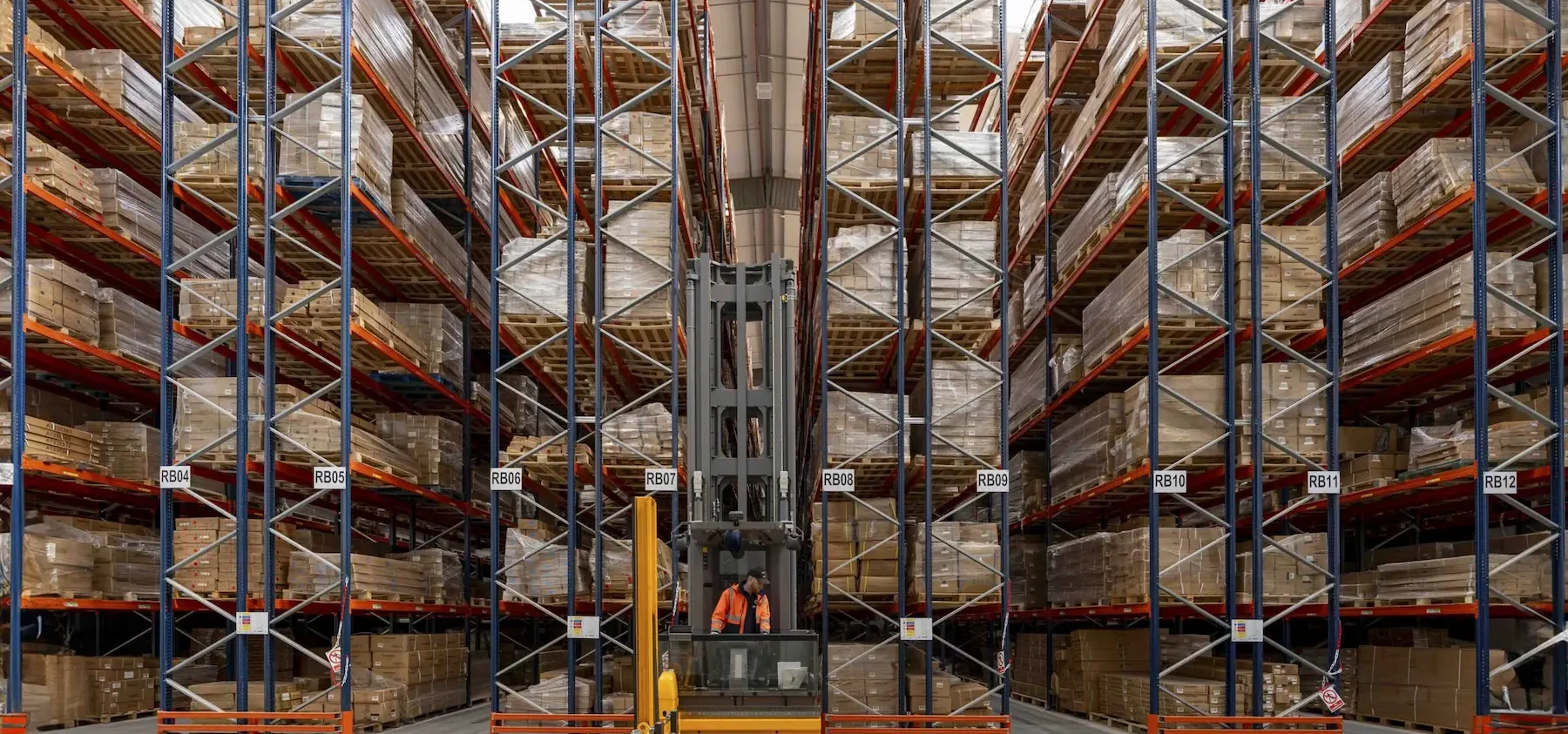
Our logistics nodes incorporate computerized multi-chamber cold storage systems with direct dock seals, preventing thermal exchange during container unloading.
Connect With an Engineering SpecialistDirect answers addressing customs protocols, temperature excursion liabilities, ATP certification, and customs warehouse regulations across Germany.
Cold chain imports entering Germany via seaports (Hamburg, Bremerhaven) or airports (Frankfurt, Munich) must be declared electronically via the ATLAS customs software. For veterinary products, foodstuffs, or biological goods, pre-notification via TRACES-NT (Trade Control and Expert System) is required. Cargo must pass through a designated Border Inspection Post (Grenzkontrollstelle) where veterinary or phytosanitary officers conduct physical sample checks inside dedicated chilled inspection docks without breaking thermal continuity.
All commercial refrigerated vehicles transporting perishable foodstuffs over German federal highways (Autobahnen) must comply with the international ATP Agreement (Accord relatif aux transports internationaux de denrées périssables). Vehicles require a valid ATP class certificate (typically FRC for heavy frozen cargo up to -20°C, or FNA for fresh chilled produce). Calibration certificates for on-board temperature measurement instruments according to DIN EN 12830 must be carried inside the cab and available for immediate inspection by the Federal Office for Logistics and Mobility (BALM).
Liability is governed by the agreed Incoterms® 2020 and carrier conventions (Hague-Visby Rules for ocean freight, Montreal Convention for air freight, and CMR for European road transport). However, standard international carrier liability is capped per kilogram (e.g., 8.33 SDR/kg under CMR, ~22 SDR/kg for air). For high-value pharma or delicate specialty chemicals, standard liability is completely inadequate. We configure comprehensive all-risk temperature breach cargo insurance covering full landed invoice values, including disposal costs and re-certification assessments.
Most established German buyers prefer DDP (Delivered Duty Paid) because it relieves them from handling customs clearance, import VAT (Einfuhrumsatzsteuer - EUSt), and port terminal inspection hurdles. Under DDP, the overseas exporter or their nominated fiscal representative manages customs clearance and pays import charges before delivery to the customer's refrigerated receiving warehouse. However, if the exporter does not maintain an EU EORI and German VAT registration, DAP (Delivered at Place) with localized customs brokerage assistance is the recommended intermediate model.
A customs bonded cold store (Zolllager) allows imported high-value goods to be held indefinitely under precise temperature control without immediate payment of EU customs duty and import VAT (19% standard or 7% reduced in Germany). Duties are only triggered when individual pallet batches are released into free circulation for final delivery. Furthermore, if products are re-exported from Germany to Switzerland, the UK, or Scandinavian markets, double taxation is entirely avoided, significantly boosting operating cash flow.
Our standard operating procedure initiates an immediate quarantine protocol: 1) The affected consignment is placed in an automated quarantine temperature zone; 2) The complete encrypted digital audit trail (NIST/DIN EN 12830 compliant) is extracted to calculate the Mean Kinetic Temperature (MKT); 3) A formal CAPA (Corrective and Preventive Action) report is generated; 4) The product manufacturer's quality assurance unit reviews the thermal tolerance envelope to determine whether release, testing, or reclamation is warranted.
Connect directly with our senior thermal logistics engineers and European compliance specialists. From full container reefer liners to IATA air temperature charters, secure your German import pipeline with verified zero-excursion precision.
Send an Inquiry