
Precision cargo lashing, cross-border freight forwarding, and specialized turn-key infrastructure designed to stabilize maritime-to-hinterland supply lines.
The Republic of Panama represents the undisputed fulcrum of Western Hemisphere trade. Operating an efficient container logistics model in this market requires far more than basic haulage; it mandates an integrated intermodal drayage framework engineered to bypass maritime bottlenecks, optimize short-haul container movements between marine terminals, and link bonded inland container yards (CY) directly with the trans-isthmian railway.
As draft restrictions in the Neopanamax and Panamax locks vary due to freshwater availability in Lake Gatún, oceanic carriers increasingly invoke land-bridge contingency drayage. Containerized consignments offloaded at Pacific terminals like PSA Panama or Balboa must be expedited via secure road corridors or rail spurs to Atlantic terminals including Manzanillo International Terminal (MIT), Colón Container Terminal (CCT), and Cristóbal. We act as an industrial factory of logistics solutions and a direct exporter of multimodal handling infrastructure, ensuring that high-cube dry vans, refrigerated reefers, and out-of-gauge (OOG) project modules transfer smoothly across borders without incurring detention or demurrage penal charges.
Engineered logistics workflows configured specifically for free zones, trans-canal transfers, and specialized commodities.
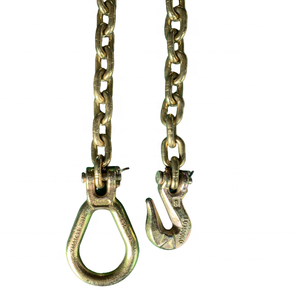
Rapid cross-canal container hauling connecting the Pacific Port of Balboa to Atlantic hubs in Colón. Operating heavy-duty tractor units paired with rugged tri-axle chassis and Grade 70 transport chain assemblies, this service acts as an overland safety valve when maritime transit scheduling demands time-sensitive re-routing of transshipment boxes.
Customs-bonded drayage bridging container ocean carriers directly with commercial warehouses inside Latin America's largest free trade zone. Supports duty-suspended cross-docking, devanning, split-shipment consolidation, and subsequent re-export trucking throughout Central America under strict fiscal monitoring.
Time-critical cold drayage equipped with clip-on and underslung diesel gensets for pharmaceutical items and perishable agricultural produce (such as pineapples, bananas, and seafood) transiting between refrigerated packing terminals, cold storage facilities, and deep-water reefer berths.
Round-the-clock empty equipment repositioning, bare chassis repositioning, and staging buffer operations. Our drayage dispatch orchestrates rapid turnaround intervals to prevent severe gate congestion during peak vessel berthing windows at terminal gates.
Special economic zone logistics tailored to light manufacturing, aerospace electronics, and high-value consumer goods. Synchronized drayage guarantees bonded transfers under special customs regimes, utilizing GPS geofencing and active anti-tamper electronic bolt seals.
Movement of structural steel sections, turbine components, and heavy engineering hardware directly from breakbulk quaysides to civil work sites across the corridor. Coordinated with escort vehicles, bridge weight clearances, and multi-axle modular trailers.
The operational landscape for intermodal drayage across Panama is evolving at a breakneck pace driven by structural shifts in global shipping alliances, nearshoring, and physical infrastructure modernizations:
Grounded in over 30 years of global logistics mastery, audited certifications, and robust physical terminal infrastructure.
Our operations are verified through ISO 9001:2015 quality management procedures and BRCGS AA+ storage and distribution ratings, providing verified procedural certainty for pharmaceutical, high-tech, and perishable cargoes.
Unlike asset-light non-vessel brokers, our logistical capabilities rely on specialized port-adjacent terminals, high-capacity equipment pools, heavy breakbulk handling equipment, and direct rail interface capabilities.
From initial international booking and oceanic freight forwarding to customs compliance, drayage cartage, and bonded warehousing, our clients manage entire international legs through one single responsible partner.
Pre-clearing manifests, utilizing authorized bonded transfer status, and deploying synchronized dual-mission drayage runs (import delivery coupled with immediate export pull) protects your balance sheet from catastrophic demurrage expenses.
Our transport frameworks champion real environmental stewardship, operating carbon-audited routes and investing in fuel efficiency programs that deliver tangible Scope 3 emission reductions for international shippers.
Every tractor and container chassis in our active network is continuously tracked via satellite telemetry, backed by dynamic route sensors, remote reefer temperature monitoring, and round-the-clock emergency response teams.
Expert answers addressing the practical legal, fiscal, and operational aspects of moving freight through the Panama Canal corridor.
Bonded transshipment drayage across the isthmus requires the master ocean bill of lading (OBL), the commercial invoice, the carrier customs manifest (Manifiesto de Carga), and the official customs transit permit (Declaración de Tránsito Aduanero Internacional - DTAI). When executing land-bridge drayage between Balboa and MIT or Cristóbal, cargo moves under sealed customs transit bonds, which eliminates domestic Panamanian import tariff liabilities.
The Ministry of Public Works (MOP) strictly enforces gross vehicle weight limits across Panamanian highways, including the Autopista Panamá-Colón. Typical limits cap gross combined weight at 40 metric tons for standard 5-axle tractor-semitrailers. For heavy 20-foot or 40-foot full container loads (FCL), specialized tri-axle chassis and weight-distributing equipment are legally mandated to prevent roadside axle overages and transit fines.
Physical highway drayage across the 80-kilometer isthmus between Atlantic and Pacific marine terminals averages 1.5 to 2.5 hours driving time, with total gate-to-gate turnaround (including terminal scanning and gate processing) generally completing in 4 to 6 hours. In contrast, vessel canal transit, including queuing, canal lock entry, and lake pilotage, typically consumes 24 to 72 hours depending on canal congestion and slot auction status.
Yes. Temperature-sensitive reefer loads traveling by road between Pacific packing houses or ports and Atlantic terminals are paired with dedicated truck chassis equipped with underslung or clip-on diesel generator sets (gensets). Our dispatch protocols require hourly telemetric temperature verifications and pre-trip inspections (PTI) to guarantee unbroken cold-chain integrity for foodstuffs and pharmaceuticals.
Demurrage is averted by maintaining pre-cleared customs documentation, pre-advise gate reservations via terminal operating systems, and utilizing private off-dock storage yards. By pulling arriving containers before ocean carrier free-time expirations and staging them inside bonded off-dock container yards, clients avoid steep carrier penalty charges while local delivery schedules are finalized.
Yes, provided the cargo holds proper International Maritime Dangerous Goods (IMDG) certification, compliant safety data sheets (SDS), and advance approval from the Panamanian Fire Department (Benemérito Cuerpo de Bomberos) and terminal authorities. Transport units must feature certified safety placards, authorized spill-containment provisions, and drivers credentialed in hazardous materials handling.
Drayage into the Colón Free Zone permits companies to defer, reduce, or completely avoid national import tariffs, VAT, and commercial taxes. Shippers can strip imported containers, consolidate consignments with products sourced from different continents, perform secondary packaging, and export finished cargo to regional markets throughout Latin America and the Caribbean under preferential trade rules.
Connect with our technical logistics engineering team to eliminate corridor congestion, secure priority terminal drayage slots, and review our certified equipment catalogs.
Get Catalog