Accelerating container velocity across Peninsular Malaysia and global transit corridors. Explore our heavy-duty secure cargo tie-downs, high-precision industrial hardware, and streamlined multi-modal forwarding lines engineered for global trade resilience.

An authoritative analysis of short-haul multi-modal logistics, port-adjacent container staging, and industrial corridor throughput across the Klang Valley industrial hinterland.
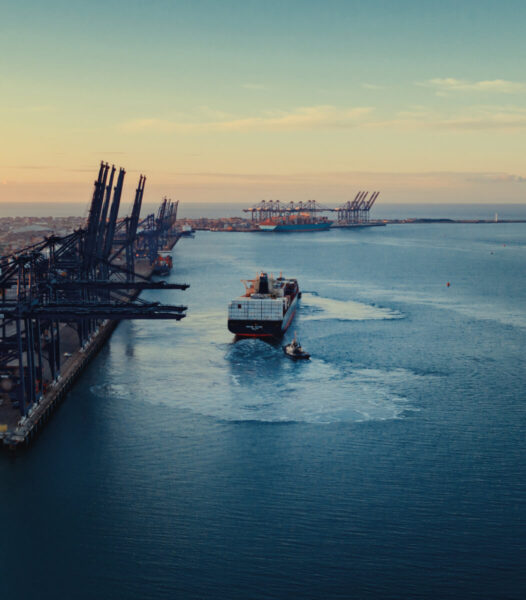
In contemporary supply chain orchestration, intermodal drayage functions as the indispensable linchpin bridging maritime deep-sea terminals, inland container depots (ICDs), rail heads, and localized production hubs. Within Malaysia's commercial epicentre—the federal capital of Kuala Lumpur and the encompassing Klang Valley—drayage is no longer a rudimentary trucking service; it represents a data-synchronized, high-frequency logistics discipline engineered to mitigate terminal dwell time, eliminate equipment detention penalties, and ensure predictable production line feeding.
Operating along the critical logistics artery between the Port Klang maritime complex (encompassing Westports and Northport) and Greater Kuala Lumpur's primary industrial belts, intermodal drayage demands rigorous adherence to technical protocols, real-time chassis management, telematics tracking, and proactive customs orchestration under the Royal Malaysian Customs Department (JKDM). Whether managing high-cube dry vans, refrigerated reefers, or hazardous ISO tanks, our end-to-end drayage operations maintain maximum asset turnover and regulatory integrity across every nautical and overland transit mile.
On-Time Container Gate Dispatch Rate
Average Port Vessel-to-Depot Clearance
Freight Forwarding & Haulage Lineage
JKDM Customs EDI & Dagang Net Compliance
High-performance intermodal freight transfers require comprehensive harmonization across three operational layers: mechanical prime-mover reliability, chassis versatility (including multi-axle skeletal and drop-deck configurations), and digital EDI connectivity linking terminal booking systems directly to enterprise resource planning (ERP) architectures. By controlling container moves through verified staging yards, shippers circumvent the chronic gridlock common to key transit arteries such as the Federal Highway, the Shah Alam Expressway (KESAS), and the New Klang Valley Expressway (NKVE).
Rapid evacuation of inbound laden containers directly from vessel berthing slots at Westports and Northport onto dedicated multi-axle skeletal chassis, avoiding punitive wharf storage fees.
Stripping maritime ISO containers inside high-bay port-centric warehouses and palletizing freight for swift domestic linehaul, maximizing tare-weight economics and domestic delivery speed.
Seamless handling of dutiable cargo between bonded terminals, Port Klang Free Zone (PKFZ), licensed manufacturing warehouses (LMW), and inland dry ports under custom K8 / K1 declarations.
Precision corridor routing connecting primary maritime gateways directly to dense manufacturing, distribution, and assembly clusters throughout the Malaysian industrial heartland.
Intermodal drayage performance in Kuala Lumpur is dictated by geography, municipal traffic regulations, terminal vehicle booking system (VBS) slots, and strict axle-load gross vehicle weight (GVW) caps enforced by the Road Transport Department (JPJ). Supply chain efficiency hinges on leveraging strategically situated consolidation yards along the following primary operational axes:
Direct arterial routing along KESAS and the Federal Highway. High-density delivery of automotive knocked-down (CKD) kits, solar photovoltaic assemblies, and fast-moving industrial consumables feeding production lines in Kota Kemuning, Bukit Jelutong, and HICOM Glenmarie.
Navigating via the Guthrie Corridor Expressway (GCE) and LATAR to bypass central KL congestion. Tailored for heavy mechanical infrastructure, metal fabrication units, construction components, and automated parking roller machinery destined for North Klang Valley mega-projects.
Southern expressway routing connecting ocean berths to airport air-cargo hubs and the Digital Free Trade Zone (DFTZ). Specializes in multi-modal sea-to-air transshipment, temperature-sensitive electronics, medical device logistics, and high-value project shipments.
| Drayage Routing Route | Primary Industrial Sector | Avg Transit Window | Chassis & Equipment Spec | Regulatory / Gate Protocol |
|---|---|---|---|---|
| Port Klang → Shah Alam | Automotive Parts, Precision Metals | 45 – 75 mins | Tri-axle 40ft Skeletal Chassis | JKDM K1 Online Release / KESAS E-Toll |
| Westports → PKFZ Bonded Hub | FMCG, Food & Beverage, Retail | 15 – 30 mins | Terminal Bomb Cart & 20ft Slider | Free Commercial Zone (FCZ) Pass |
| Port Klang → Rawang / Sg. Buloh | Industrial Machinery, Building Materials | 90 – 120 mins | Low-bed / Heavy Axle Modular Trailer | JPJ Heavy Vehicle Restriction Compliance |
| Port Klang → KLIA Aeropolis | Semiconductor, Pharma, Sea-Air Transship | 60 – 90 mins | Air-Ride Genset Reefe / GPS Bonded Van | K8 Bonded Transshipment Permit |
| Port Klang → Inland Dry Ports (Batu Gajah) | Bulk Commodities, Mining, Rail Feeder | Intermodal Rail | KTM Intermodal Flat Wagon Integration | Inter-terminal Rail Drayage Manifest |
Strategic infrastructure investments, digital single-window platforms, and decarbonization mandates driving modernization across Malaysia's transport ecosystems.
The logistics landscape surrounding Kuala Lumpur is undergoing an unprecedented structural transition. Spurred by national industrialization roadmaps (NIMP 2030), regional supply chain reconfiguration, and the strategic expansion of Carey Island mega-port planning, intermodal operators are investing heavily in technologies that decouple volume growth from carbon emissions and highway congestion.
The impending operationalization of the East Coast Rail Link (ECRL) will introduce a transformative bypass channel connecting Port Klang directly to Kuantan Port on the South China Sea. This land-bridge drayage corridor enables shippers to save up to 2.5 days of maritime steaming time around the Malacca Straits. Drayage fleets are transitioning toward hybrid prime-movers engineered for rapid chassis swapping at newly minted intermodal inland rail freight terminals across Gombak and Serendah.
With corporate multinational enterprises requiring granular Scope 3 carbon auditing under international ESG directives, our logistics roadmap aligns with carbon-neutral transport standards. Deploying electric prime-movers for short-radius port-to-depot drayage, utilizing rooftop photovoltaic installations across regional logistics facilities, and providing per-consignment carbon emissions auditing allows Kuala Lumpur-based exporters to meet rigorous EU and US supply chain compliance mandates.
Legacy drayage operations suffered from unpredictable terminal turn-times caused by unpredictable berthing arrivals and gate bottlenecks. Modern drayage architecture integrates terminal Vehicle Booking Systems (VBS) with automated GPS geofencing, IoT chassis tracking, and optical character recognition (OCR) at container depot gates. This synchronicity slashes truck turnaround duration to under 45 minutes inside terminal gates, substantially eliminating costly demurrage and detention exposures.
Decades of proven supply chain guardianship, independently certified quality management, and port-centric assets engineered to protect your balance sheet.
Drawing upon over 30 years of international freight forwarding, road haulage, customs compliance, and port-centric distribution, our operational framework eliminates the vulnerabilities of fragmented subcontracting. Shippers partnering with our organization gain the backing of an audited, world-class logistics infrastructure:
Independently audited management and storage systems ensuring cargo security, procedural rigor, and traceability across dry goods, electronics, and food-grade FMCG.
One of the highest-ranked independent forwarders, seamlessly interfacing port drayage with urgent international air freight through dedicated airport gateways.
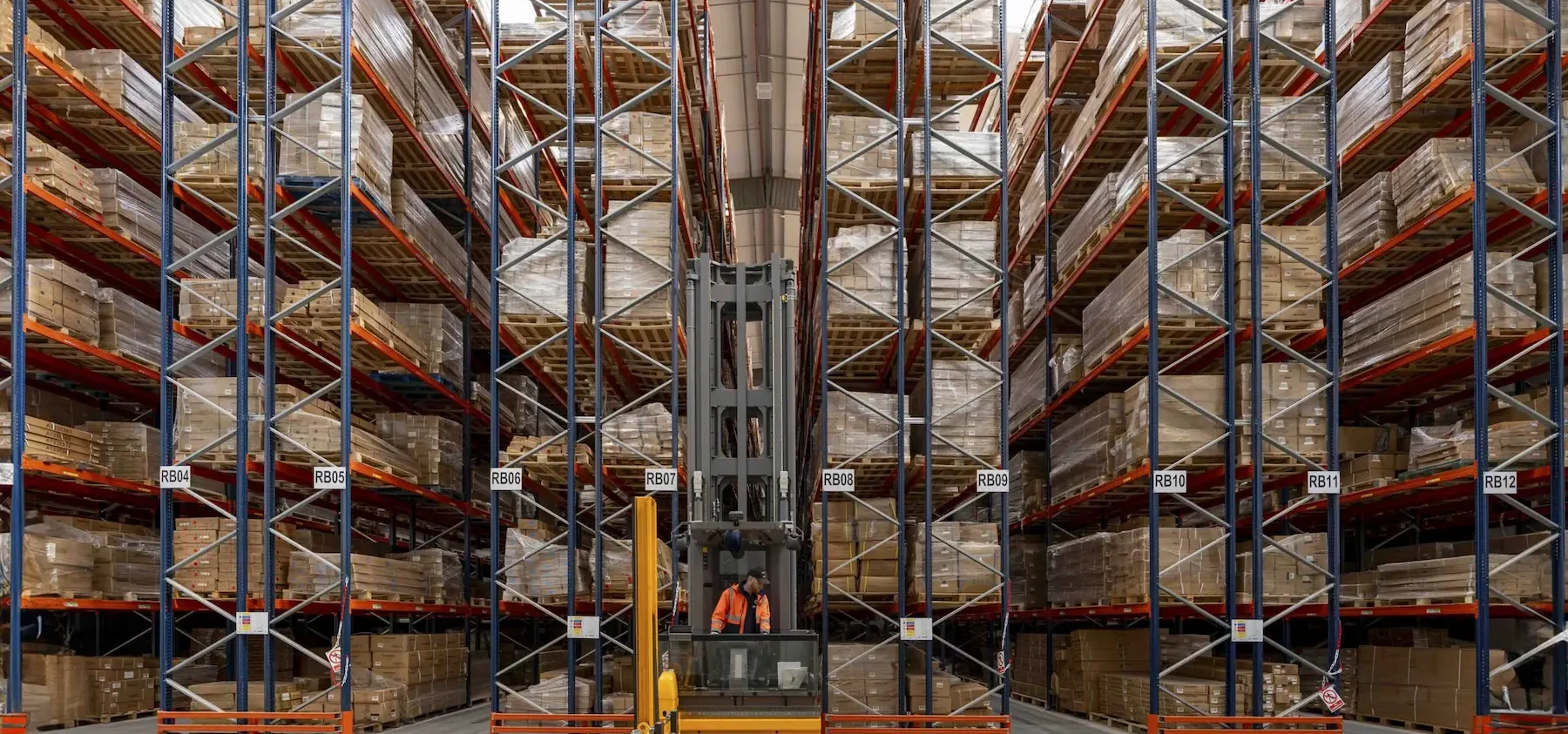
Extensive strategic warehousing, container devanning terminals, and bonded storage capacity positioned immediately adjacent to key maritime gate terminals.
Delivering verified carbon reporting per consignment, solar-powered facility handling, and advanced fleet optimization achieved years ahead of statutory targets.
Specialized abnormal load trailers, prime movers, route surveys, and police escort coordination for oversized machinery, structural steel, and plant equipment.
Dedicated in-house customs agents preparing declarations, managing tariff classifications, duty deferments, and preferential COO certification under RCEP and CPTPP.
No finger-pointing between shipping lines, customs brokers, and haulers. One dedicated control tower manages your shipment from origin to final yard delivery.
Essential regulatory, financial, and operational guidance for procurement heads, supply chain managers, and international trade executives operating in Malaysia.
Container drayage specifically involves the short-to-medium-haul transport of laden or empty ocean shipping containers between marine terminals (such as Port Klang's Westports and Northport), rail ramps, container freight stations (CFS), and local distribution facilities within a localized radius (typically within 100 to 150 km of Greater Kuala Lumpur). Drayage emphasizes terminal gate coordination, Chassis interchange agreements (EIR), adherence to terminal vehicle booking systems (VBS), and quick equipment turnaround to avert ocean carrier demurrage and detention charges. Conversely, linehaul trucking entails long-distance interstate cargo transit (e.g., cross-border moves to Penang, Johor Bahru, or Thailand) utilizing curtainsiders, box trailers, or flatbeds where containers are frequently stripped prior to movement.
Demurrage occurs when laden containers remain inside the port terminal beyond the granted free days (typically 3 to 5 calendar days in Port Klang), while detention accrues when the equipment is held outside the terminal beyond the agreed turnaround timeframe. Our operations prevent these cost leaks through a multi-tiered mitigation protocol: First, we initiate pre-customs clearing via EDI on Dagang Net 48 hours prior to vessel berthing. Second, we secure preferred Terminal VBS gate appointments in advance. Third, where the customer's manufacturing warehouse faces offloading backlogs, we dray the container immediately to our nearby off-dock bonded holding yard, devan the cargo if necessary, and return the empty equipment back to the carrier's ocean depot well within the free-time window.
In Malaysia, axle load configurations and gross vehicle weight ratings are strictly monitored by the Road Transport Department (Jabatan Pengangkutan Jalan - JPJ) and SPAD. Standard prime movers with 2-axle skeletal chassis carrying a 20ft container generally operate under a gross limit of 36 to 38 metric tons, whereas 3-axle prime movers coupled to tri-axle chassis hauling 40ft high-cube containers can reach a maximum permissible GVW of 44 metric tons. Exporters and importers must monitor cargo tare weights: packing exceeding 24–26 tons of product inside a single container risks roadside impoundment and safety compliance citations. Our fleet offers lightweight high-tensile steel skeletal trailers to help shippers maximize legal payload capacity while staying fully compliant with axle limits.
Customs processing is governed by the Royal Malaysian Customs Department (JKDM). For standard commercial cargo cleared directly for home consumption in Kuala Lumpur, a Customs Form No. 1 (K1) must be submitted alongside commercial invoices, packing lists, and bills of lading. For cargo transferring under customs control to a Licensed Manufacturing Warehouse (LMW), bonded facility, or between Port Klang Free Zone (PKFZ) and another free commercial zone, a Customs Form No. 8 (K8) bonded transit permit is required. Export consignments originating from factories in Shah Alam or surrounding industrial zones require a Customs Form No. 2 (K2) for outbound clearance. Our dedicated in-house brokerage manages all electronic filings directly via the Sistem Maklumat Kastam (SMK).
Yes. We provide certified transport for dangerous goods classified under IMO Classes 2, 3, 4, 5, 6, 8, and 9 (excluding certain Class 1 explosives and Class 7 radioactive materials, which require unique ministry authorizations). Our prime movers are fitted with ADR-compliant fire safety equipment, spark arrestors, and battery master switches, and our drivers hold valid dangerous goods driving permits. For liquid chemicals and industrial oils transported in ISO tanks, we offer dedicated drop-deck tank chassis equipped with spill containment kits and certified compressor discharge connections suitable for delivery directly to processing factories throughout the Klang Valley.
Direct container delivery requires the prime mover to deliver the entire container to the customer's facility and either wait during live-unloading (risking expensive chassis detention fees) or drop the trailer and return later for retrieval (requiring double drayage charges). Through cross-dock transloading at our port-adjacent warehouse, imported maritime containers are immediately de-stuffed, inspected, palletized, and consolidated into domestic curtain-side tautliners or straight trucks. This allows immediate return of the shipping line's container (zero detention risk), enables sorting for multi-stop delivery across retail distribution networks in Kuala Lumpur, and reduces overall transportation costs by up to 22%.
To execute a seamless terminal collection, we require the Ocean Bill of Lading, Delivery Order (DO) issued by the shipping line confirming port clearance fees are paid, commercial invoice, packing list, and the approved JKDM Customs Release Form (K1/K8). For standard bookings, a 24-to-48-hour advance notice prior to vessel discharge allows optimal vehicle booking slot assignment. However, for time-critical air freight or manufacturing contingencies, our hot-hatch drayage team can retrieve containers within 6 hours of wheel-turn and terminal discharge under expedited priority gate protocols.
Eliminate equipment detention fees, bypass metropolitan traffic bottlenecks, and align your enterprise supply chain with ISO-certified intermodal transport experts. Inquire now for bespoke container haulage, customs brokerage, or port-centric transloading solutions.
