Procure certified port-centric intermodal systems, heavy refrigeration assets, structural power assemblies, and end-to-end multi-country forwarding infrastructure engineered for coastal and inland terminals.
A technical treatise on overcoming maritime-to-inland transit friction, seismic building codes, tropical climate dampening, and bonded trade integration across Central America's primary manufacturing corridor.
In modern international trade engineering, port-centric logistics warehousing constitutes an operational paradigm where manufacturing, intermediate staging, value-added packaging, and customs clearance infrastructure are co-located directly adjacent to deep-water maritime port facilities. For enterprise manufacturers operating within or trading with Costa Rica, the port-centric model provides an essential competitive buffer against inland transit volatility, escalating container detention tariffs, and severe tropical humidity disruptions. By eliminating unneeded inland round-trips for non-cleared intermodal containers, multinational manufacturers preserve capital liquidity, minimize carbon footprints, and compress order-to-delivery lead times.
Costa Rica's geographic posture presents an unparalleled dual-ocean logistical advantage. On the Caribbean coast, the APM Terminals Moín hub operates as one of Latin America's most technologically advanced container terminals, offering swift access to the United States Gulf and East Coast ports as well as direct European shipping routes. On the Pacific littoral, Puerto Caldera serves as the chief gateway for Asian raw materials, heavy capital machinery, and intermediate manufacturing supplies. Connecting these maritime edges to the advanced industrial clusters of the Greater Metropolitan Area (GAM)—such as Coyol Free Zone in Alajuela and Cartago—demands specialized port-centric warehouse design, precision structural fabrication, and multi-climate environmental engineering.
Moving ocean freight between coastal discharge points and inland industrial campuses across the Cordillera Central introduces severe exposure to severe weather disruptions, landslides, and transport bottlenecks. When raw materials remain trapped in ocean containers awaiting transport, supply chain operators face catastrophic detention and demurrage penalizations.
By leveraging engineered port-centric warehouse facilities, manufacturers can transfer cargo directly under bonded conditions from the quay to coastal consolidation points. At these facilities, cargo is devanned, repackaged into high-cube domestic trailers or intermodal shuttle units, and dispatched on precise Just-In-Time (JIT) schedules to medical device cleanrooms and advanced manufacturing facilities throughout the country.
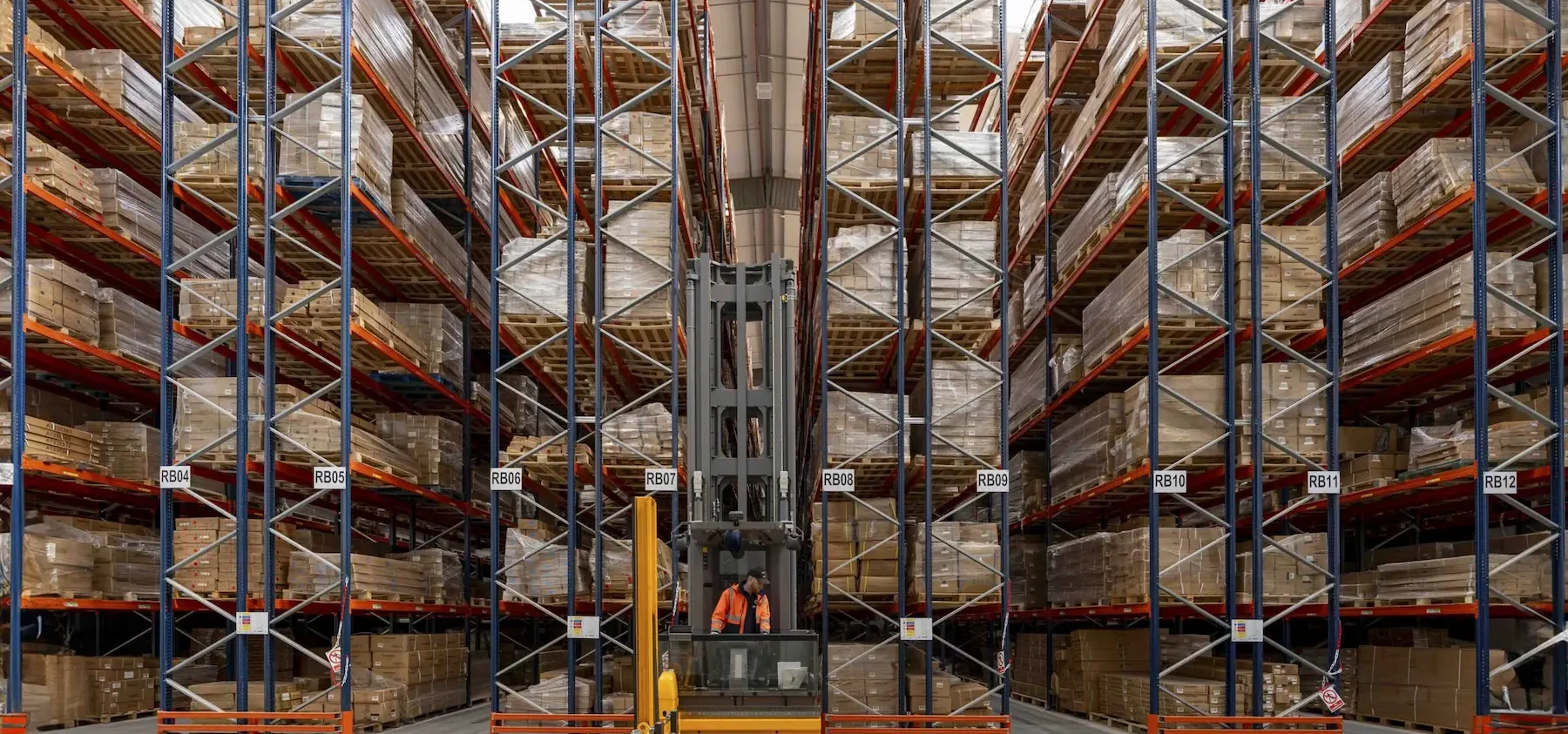
From Caribbean agro-industrial cold chains to high-precision cleanroom buffering in Alajuela, port-centric manufacturing and storage architectures must be tailored to distinct regional operational demands.
Positioned directly beside APM Terminals Moín, specialized cold-storage and cross-docking warehouses serve as the vital export staging zone for Costa Rica’s powerhouse agricultural sector (pineapples, bananas, and specialty produce). Facilities require multi-temperature zoning (-25°C blast freezing to +15°C controlled atmosphere) and ISO-rated sanitary flooring to maintain strict BRCGS food safety compliance prior to transatlantic maritime transit.
Serving as the primary landing terminal for Asian steel coils, polymers, automotive knocked-down components, and industrial chemicals. Pacific port-centric facilities integrate heavy-duty 32-ton gantry cranes, heavy-duty lashing staging docks, and covered raw materials storage. This configuration facilitates breakbulk transshipment, reducing container demurrage before goods are hauled up Route 27 to Central Valley assembly plants.
Costa Rica is Latin America’s top exporter of medical technology (MedTech). Port-centric satellite warehouses feed Coyol, Global Park, and Cartago Free Zones through bonded intermodal transfers. These warehouses feature ISO Class 7/8 cleanroom-ready staging areas, humidity-controlled buffer spaces (under 45% RH), and automated inventory tracking to support Class II and Class III medical device components.
Leveraging national transit rights across the Moín-Caldera corridor, specialized multimodal cross-dock warehouses facilitate rapid trans-shipment between Atlantic and Pacific shipping rotations. Shippers bypass canal waiting queues by trans-loading containerized and breakbulk goods across custom-engineered cross-dock platforms equipped with automated sorting conveyors.
Operating under PROCOMER-regulated Free Zone regime (Régimen de Zona Franca) custody, these coastal complexes store critical aerospace components, turbine rotors, and electronic testing assemblies duty-free. High-value replacement modules are held in bond, ready for rapid dispatch into local manufacturing lines or immediate re-export across Central America without paying import duties.
Deploying heavy industrial facilities in tropical coastal zones requires rigorous engineering compliance to counteract high seismic energy, extreme humidity, and severe marine atmospheric corrosion.
Manufacturers establishing port-centric warehouses in Limón or Caldera cannot rely on standard temperate-zone structural drawings. Civil and structural engineering specifications must adhere to the Código Sísmico de Costa Rica (CSCR-2010) while providing aggressive defense against marine galvanic corrosion per ISO 12944 atmospheric corrosivity categories C5-M (Marine Coastal).
| Engineering Parameter | Costa Rica Coastal Standard (Limón / Caldera) | Design Rationale & Operational Benefit |
|---|---|---|
| Structural Frame Steel | ASTM A572 Grade 50 / ASTM A992 with moment-resisting ductile connections | Complies with CSCR-2010 seismic acceleration criteria (Zone IV high-seismic hazard profile), preventing racking collapse during major tectonic events. |
| Corrosion Protection | Hot-Dip Galvanized (HDG) per ASTM A123 + Polyurethane topcoat (ISO 12944 C5-M) | Prevents chloride-induced structural pitting and rust bloom caused by humid, saline maritime air in coastal port areas. |
| Roof & Wall Envelopes | Continuous PIR/PUR Insulated Sandwich Panels (50mm–100mm) with PVDF coating | High thermal resistance (R-value up to 30) rejects tropical radiant solar loads, keeping interior temperatures manageable and lowering HVAC operational costs. |
| Flooring & Foundation | Post-tensioned, jointless concrete slabs with steel fiber reinforcing; 8-10 Ton/m² load capacity | Eliminates cracking from heavy reach-stacker traffic, resists subgrade settlement in reclaimed port soils, and supports high-bay VNA racking systems. |
| Relative Humidity Control | Desiccant dehumidification systems maintaining ambient warehouse RH < 50% | Prevents fungal growth, packaging softening, and corrosion on sensitive medical-grade plastics, electronics, and precision tooling. |
| Fire Safety Systems | NFPA 13 & NFPA 20 compliant ESFR (Early Suppression Fast Response) sprinklers | Required by the INS (Instituto Nacional de Seguros) for insurance underwriting on multi-tier high-density plastic, chemical, or lithium storage. |
Port-centric facilities serving cold-chain transshipment require robust, redundant power systems. Costa Rica’s national electrical grid, operated by ICE (Instituto Costarricense de Electricidad), delivers over 98% renewable power (hydroelectric, geothermal, and wind).
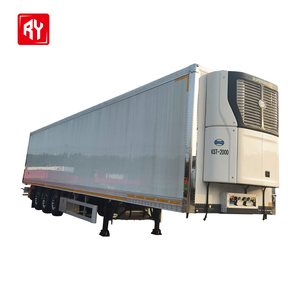
However, coastal industrial centers require dedicated medium-voltage substations, automated transfer switchgear (ATS), and tier-rated emergency diesel generation. This architecture guarantees 100% uptime for refrigerated container reefer plugs, blast freezing compressors, and climate-controlled medical buffer areas—protecting millions of dollars in sensitive inventory against grid interruptions.
Strategic analyses of regulatory transformations, trade agreement integration, and sustainable supply-chain modernization across Central America.
US and European manufacturers are diversifying operations away from East Asia, positioning Costa Rica as a primary nearshoring hub under CAFTA-DR. Modern port-centric warehouses act as rapid receiving and staging centers, reducing ocean transit to major US ports to just 3 to 5 days, compared to 30 to 45 days from Asia.
Operating under Costa Rica’s Plan Nacional de Descarbonización, institutional tenants demand carbon-neutral logistics facilities. Warehouses increasingly feature rooftop solar arrays, electric handling fleets, and automated emissions reporting to help global enterprise clients meet their Scope 1, 2, and 3 ESG goals.
Traditional manual storage is rapidly giving way to Automated Storage and Retrieval Systems (ASRS), RFID pallet tracking, and real-time API integrations with terminal operating systems (TOS) at APM Terminals Moín. This automation delivers complete cargo visibility the moment a container clears the gantry crane.
Costa Rica's Customs Directorate (DGA) has modernized its TICA (Tecnología de Información para el Control Aduanero) system. Authorized port-centric facilities operate with paperless bonded transfers, automated weight-bridge validations, and rapid green-channel releases that cut clearance times from days to hours.
Combining three decades of global intermodal forwarding, port-centric warehousing mastery, certified quality standards, and deep technical engineering capability.
Since the 1990s, we have delivered turnkey supply chain operations, project cargo logistics, and high-security storage solutions for leading international industrial clients worldwide.
Our operations undergo rigorous, independent quality audits, achieving the highest unannounced rating (BRCGS AA+) to ensure strict compliance for pharmaceuticals, medical consumables, food, and high-value consumer goods.
Operating five full years ahead of target milestones, our facilities incorporate commercial rooftop solar power, electric handling equipment, and precise carbon emission reporting across all transportation lanes.
Optimize your working capital through authorized customs suspension regimes. Store goods, conduct intermediate manufacturing or assembly, and release products on demand without paying upfront import duties until final domestic consumption.
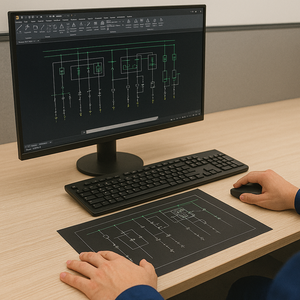
We provide comprehensive design-build capabilities, including seismic structural framing, heavy machine anchoring foundations, CAD switchgear planning, and industrial power distribution tailored to heavy industry.
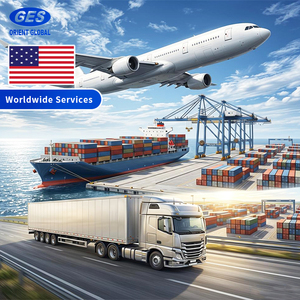
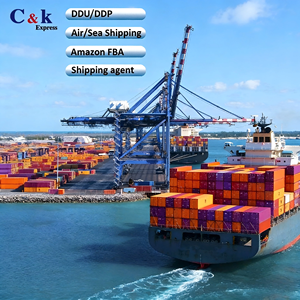
Eliminate disputes between disparate forwarding agents, customs brokers, and warehouse operators. Our integrated model manages the complete chain: vessel discharge, customs clearance, coastal staging, and inland delivery.
Direct technical and operational answers to the most common legal, fiscal, and engineering questions asked by procurement executives and supply chain directors.
Whether you require turn-key bonded warehouse construction, ISO-grade pharmaceutical cold storage, or dependable multi-modal freight transport connecting Moín, Caldera, and the Central Valley Free Zones, our experienced engineering and logistics directors are ready to assist you.
