

Engineering Protocols
Oversized Cargo & Industrial Factory Logistics Architecture in Kuwait
Navigating the complex landscape of project cargo logistics in the State of Kuwait demands far more than basic freight handling. It necessitates precision civil engineering, rigorous hydrodynamic analysis for maritime approaches, and deep compliance coordination with Kuwait's Ministry of Public Works (MoPW) and Ministry of Interior (MoI). When transporting industrial modules, gas turbines, desalination vessels, and distillation columns into key industrial zones such as the Mina Al Ahmadi Refinery, Mina Abdullah, Shuaiba Industrial Area, and northern developments like the Subiya Power Station, every route mile introduces strict structural, geometrical, and thermal constraints.
Over-Dimensional Cargo (ODC) and Super Heavy Lift (SHL) movements entering via the Port of Shuaiba or Shuwaikh require specialized multiaxle transport systems. Hydraulic platform trailers, including Self-Propelled Modular Transporters (SPMT) configured in multi-file setups, must distribute concentrated axle loads within strict tolerances to safeguard bridge crossings along Route 30 (Fahaheel Highway), Route 40 (King Fahad Bin Abdul Aziz Road), and the Seventh Ring Road. Our engineering team conducts dynamic Swept Path Analysis (SPA) and axial stress calculations, mapping utility clearances, gantry adjustments, and overhead power distribution switchgear corridors before a single piece of steel touches the quayside.
Technical Consideration: Ambient temperatures in the Kuwait desert frequently surpass 52°C (125°F) during the summer cycle between May and September. Extreme radiant heat causes hydraulic fluid viscosity degradation, abnormal tire pressure elevation across SPMT axle lines, and rapid thermal expansion of metallic structural components. Project logistics designs must incorporate high-viscosity index (HVI) synthetic hydraulic fluids, nocturnal transport windows, and real-time electronic strain gauge monitoring.
Field Execution Scenarios
Key Industrial Applications in Kuwait’s Strategic Corridors
Deploying integrated project management, specialized rigging, and deep-draft maritime coordination across Kuwait’s critical economic sectors.
Downstream Petrochemical & Refining
Handling the mobilization and onsite staging of giant hydrocracker reactors, amine treaters, and crude distillation towers for Kuwait National Petroleum Company (KNPC) and KIPIC projects at the Al-Zour Refinery. Demands complex Ro-Ro barge offloading at specialized coastal jetties and engineered shoring at quayside ramps.
Power Generation & Desalination
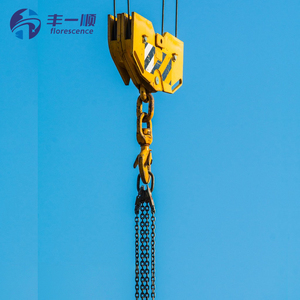
Transporting Siemens and GE frame gas turbines, electrical substations, and multi-stage flash (MSF) evaporators to the Subiya and Az-Zour Power Stations. Operations incorporate custom high-test alloy steel lifting chains (Grade G43/G80), mobile crane tandem lifts up to 800 metric tons, and bridge fly-over installations.
Upstream Oilfield Modular Factories
Mobilizing drill rigs, heavy mud logging skids, and Early Production Facilities (EPF) across northern and western desert fields (Ratqa, Burgan, Minagish) for Kuwait Oil Company (KOC). Involves off-road desert route stabilization, sand compaction engineering, and continuous armed/police escort coordination.
Technical Validation
Kuwait Heavy Transport Regulatory & Equipment Matrix
Baseline specifications for navigating civil infrastructure and port facilities across the State of Kuwait.
| Transport Element | Standard Parameters | Kuwait Engineering Constraint | Mitigation & Method of Execution |
|---|---|---|---|
| Hydraulic Axle Load | Up to 16–22 Tons/Line | MoPW Bridge Maximum: 12.5–14.0 Tons/Line | Deployment of additional axle lines (up to 32 lines, 4-file) to spread deadweight across structural bridge spans. |
| Overhead Vertical Clearance | Standard Height: 4.80m | Sign Gantry / Low-hanging Cabling: 5.20m–5.50m | Advance MEW (Ministry of Electricity & Water) line lifting crews, low-bed drop-deck trailers, or bypass detours. |
| Port Quayside Bearing | Standard Berth: 3.0–5.0 T/m² | Shuwaikh / Shuaiba Heavy Berth: 10.0–20.0 T/m² | Heavy load spreading steel mats, engineered load-distribution timber grillage (Azobé / Ekki wood), and ballast analysis. |
| Desert Access Corridors | Asphalt Surface Highway | Unconsolidated sand dunes, sabkha flats | Geotechnical ground probing, geotextile membrane deployment, and prime-mover pull-push dual configurations. |
Strategic Evolution
Emerging Trends Transforming Kuwait Project Logistics
How Kuwait Vision 2035 and large-scale industrial diversification are redefining capital cargo delivery requirements.
Boubyan Island & Mubarak Al-Kabeer Port Integration
With the continuing evolution of the Mubarak Al-Kabeer mega-port on Boubyan Island, Kuwait is positioning itself as a central transshipment hub for the Northern Gulf. This development requires project forwarders to establish multimodal shallow-draft barge shuttling networks connecting southern ports (Shuaiba) directly with northern infrastructure works, reducing transit wear across mainland arterial corridors.
Green Energy & Renewables (Shagaya Complex)
Kuwait’s ambitious expansion of the Shagaya Renewable Energy Park incorporates utility-scale concentrated solar power (CSP), photovoltaic arrays, and high-capacity wind turbine installations. Transporting fragile parabolic trough assemblies and 70-meter-plus wind turbine blades across desert expanses demands specialized steerable dollies, specialized clamping frames, and precision vibration-dampened transport.
Strict Scope 3 Carbon Audits & ESG Mandates
Kuwait Petroleum Corporation (KPC) and international joint venture EPCs have incorporated stringent environmental performance indicators. Project forwarders must provide audited carbon reporting on all ocean voyages, route-optimized overland movements, and transition quayside yard machinery toward Tier-4 Final or electric-drive equipment to align with national sustainability targets.
Operational Excellence
Why Engineering & EPC Leaders Choose Us
Three decades of proven technical reliability, audited ISO credentials, and dedicated heavy-lift infrastructure.
Audited Quality: ISO 9001 & BRCGS AA+
We operate under strictly audited international quality, storage, and distribution standards. Our systems guarantee documented chain-of-custody, meticulous cargo condition surveys, zero-deviation safety records, and comprehensive risk mitigation across all transport phases.
Dedicated Engineering & Route Clearance
Our in-house naval architects, civil structural engineers, and route surveyors deliver comprehensive 3D digital simulation, structural bridge calculations, turn-radius sweeps, and direct interface with local municipalities for utility modifications.
Port-Centric Facilities & Equipment Fleet
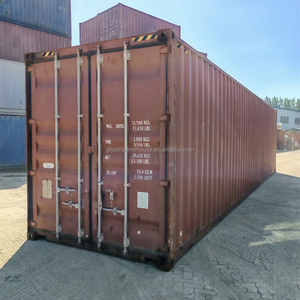
Holding extensive port-centric marshalling yards, high-capacity link chain rigging hardware (Grade G43/G80), specialized 20ft/40ft heavy-tested containers, and established relationships with Kuwait Ports Authority (KPA) to streamline vessel berthing and expedite discharge.
Procurement Due Diligence
Frequently Asked Questions by Project Engineers in Kuwait
Addressing customs clearances, heavy-lift transport permits, local road restrictions, and port handling protocols.
Which Kuwait port is best suited for heavy-lift and breakbulk project cargo?
The Port of Shuaiba is the primary gateway for industrial project cargo, heavy oil refinery modules, and out-of-gauge (OOG) machinery in Kuwait. Unlike the Port of Shuwaikh—which is constrained by urban traffic limits and shallower draft restrictions—Shuaiba features deep-water commercial berths (up to 14 meters draft), specialized heavy-duty quaysides, and direct arterial highway access to the major southern industrial zones (Mina Al Ahmadi, Mina Abdullah, and Al-Zour). Shuwaikh is selectively used for lighter breakbulk destined for central and northern Kuwait, subject to strict night-movement restrictions.
What permits are mandatory for transporting abnormal loads on Kuwait highways?
Transporting over-dimensional or super-heavy cargo requires formal approvals from several government bodies: the Ministry of Public Works (MoPW) for bridge structural assessments and load approvals; the Ministry of Interior (MoI) General Directorate of Traffic for route scheduling and mandatory police escorts; the Ministry of Electricity & Water (MEW) for overhead power cable lifting or temporary disconnection; and the Kuwait Municipality for street light pole or sign gantry removal. Permitting timelines typically range from 15 to 30 working days depending on the cargo geometry and route complexity.
How does extreme summer heat impact project cargo planning in Kuwait?
Between June and August, Kuwait enforces strict daytime work restrictions (banning outdoor manual labor between 11:00 AM and 4:00 PM). Furthermore, asphalt road surface temperatures can exceed 70°C, increasing the risk of highway rutting under heavy axle loads and catastrophic tire blowouts on multi-axle trailers. Consequently, all heavy-lift movements during the summer are conducted during cooler night windows (typically 10:00 PM to 5:00 AM) using trailers equipped with nitrogen-filled tires, specialized high-temp hydraulic oil, and continuous laser thermal monitoring.
How are import customs duties and exemptions handled for EPC state projects?
The standard GCC customs tariff is 5% CIF on imported capital machinery and goods. However, contractors executing major state-sanctioned infrastructure projects (for KOC, KNPC, MEW, or MoPW) can often secure industrial customs duty exemptions through the Public Authority for Industry (PAI) and Ministry of Finance. Ensuring accurate Harmonized System (HS) code classification, commercial invoices attested by the Kuwait Chamber of Commerce, and an authentic Certificate of Origin is critical to avoiding quayside demurrage and clearance holdups.
Can you execute multimodal roll-on/roll-off (Ro-Ro) barge operations in Kuwait?
Yes. When road route obstacles (such as non-negotiable low highway overpasses or structural bridge limits) preclude overland transit from commercial ports, we engineer Ro-Ro barge transport solutions. Modules are rolled onto heavy-deck cargo barges at Shuaiba or international origin ports and beached or discharged at designated temporary roll-off beach landings or client-owned private coastal jetties (e.g., at Ras Al-Zour or Subiya), fully supported by bathymetric sounding surveys, tidal window analysis, and internal barge ballasting.
Plan Your Industrial Heavy-Lift Logistics With Experts
Connect with our dedicated marine operations and overland heavy transport engineering desk in Kuwait. Receive route swept path studies, quayside handling analyses, and project forward scheduling tailored to your EPC milestones.