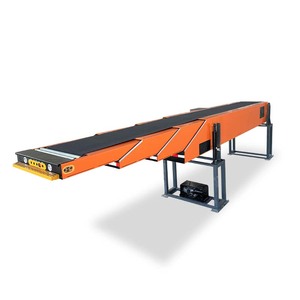
A resilient reverse logistics framework requires rugged mechanical handling apparatus, synchronized intermodal transport, and dynamic door-to-door forwarding. Explore our primary equipment and supply chain routing assets supporting Seoul and Incheon customs terminals.
The Seoul Metropolitan Area (SMA)—incorporating Gyeonggi Province and Incheon—concentrates over 25 million consumers and functions as South Korea’s economic epicenter. However, its high-density urban geography, hyper-accelerated consumer expectations (driven by Saetbyeol dawn delivery and instant parcel returns), and strict electronic waste legislation enforce severe constraints on classical reverse logistics operations.
International exporters and domestic procurement leads face immense margins of exposure when managing return product flows. Without standardized triage at port-adjacent Bonded Logistics Centers (BLC) near Incheon Port (ICN) or Gimpo handling nodes, unverified returns incur prohibitive return airfreight costs, inventory shrinkage, and duty miscalculations under the Korea Customs Service (KCS) electronic tariff systems.
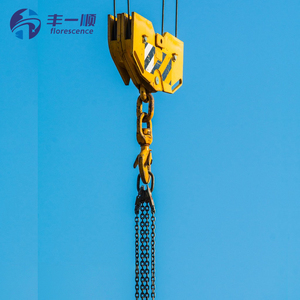
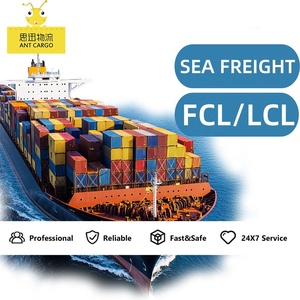
By coupling heavy cargo handling infrastructure (such as telescopic unloading systems and industrial alloy tie-downs) with verified multimodal consolidation schemes (Air-Sea DDP pipelines), our reverse logistics operational pipeline bridges cross-border recovery with local urban consolidation hubs located in Gimpo, Bucheon, and Gwangju (Gyeonggi).
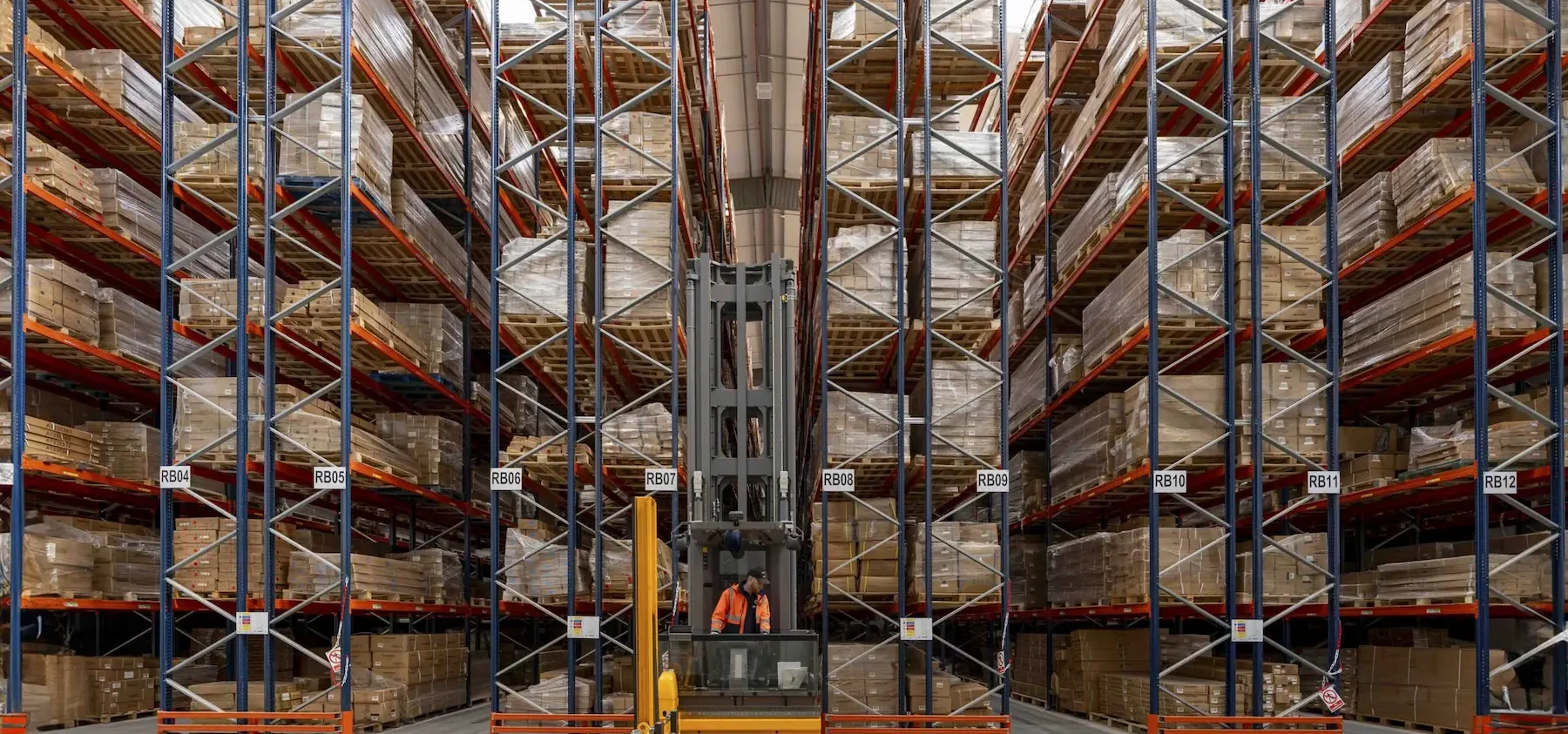
Return flows require distinct operational protocols depending on the underlying commodity class, valuation velocity, and regulatory framework. We provide tailored triage across primary regional sub-markets.
High-value industrial electronics, telecommunications gear, and test equipment originating from Pangyo and Gangnam require rapid diagnostic return routing. We implement electrostatic-safe sorting, serial number reconciliation, and reverse air consolidations via Gimpo (GMP) and Incheon (ICN) directly back to primary manufacturing centers under suspended customs duty bonds.
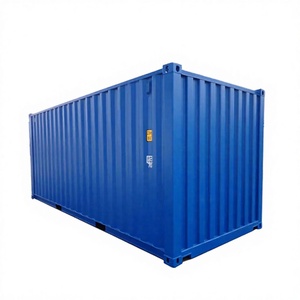
For automotive components, industrial assemblies, and hydraulic machinery centered in Hwaseong and Pyeongtaek, reverse transit mandates rugged physical handling assets. Employing NACM G43 alloy steel securing chains and dedicated 20GP/40HQ container recovery frameworks, we safely extract out-of-spec capital equipment, heavy dies, and core inventory for industrial refurbishing.
Serving cross-border apparel, consumer retail, and specialized accessories entering through major marketplaces like Coupang and Naver SmartStore. We maintain automated telescopic belt conveyor lines within customs-bonded warehouses, allowing high-throughput visual inspection, repackaging, domestic restocking, or secondary market redeployment without re-export tax friction.
Combining three decades of global supply chain expertise with specialized freight forwarding, bonded warehousing, and reverse pipeline management. We mitigate financial risk while delivering absolute supply chain transparency.
Our operations comply with stringent ISO 9001:2015 quality criteria and unannounced BRCGS storage and distribution audits, ensuring every returned item is accounted for with zero operational drift.
Operating as an elite tier independent IATA agent, our team coordinates priority return flights, charters, and consol bookings across trans-Pacific and Eurasian routes with preferential cargo space access.
We deploy extensive bonded warehousing space directly adjacent to primary transport nodes. Goods can be inspected, held, reworked, or re-exported without immediate customs duty liabilities.
We achieved verified carbon-neutral business status 5 years ahead of mandatory national targets, providing customers with item-level Scope 3 carbon footprint reporting for environmental compliance.
Market dynamics in Seoul are shifting under tightening circular economy laws and real-time customs digital governance. Suppliers must align operations with these critical macro evolutions.
The Ministry of Environment is progressively expanding Extended Producer Responsibility (EPR) regulations on packaging, commercial plastics, and lithium batteries. Shippers importing into Seoul must maintain verifiable reverse logistics traceability channels to avoid heavy corporate fines, driving widespread demand for closed-loop reverse container networks.
Real-time cross-border tracking via UNI-PASS has transformed return clearance. Automated reconciliation of returned foreign goods (Articles 99 and 106 of the Korean Customs Act) allows importers to reclaim customs duty on defective or returned shipments rapidly, provided accurate multimodal documentation is preserved from point of collection.
With warehouse land costs in Gyeonggi-do reaching historic peaks, high-throughput reverse facilities are transitioning to vertical automation, powered by telescopic conveyors and AI classification systems that rapidly isolate salvageable inventory from items slated for regulated domestic recycling.
Key technical, fiscal, and regulatory inquiries answered by our international freight and customs compliance directors.
Under the Korean Customs Act, goods originally imported into Korea that are subsequently returned to overseas suppliers due to defects, breach of contract, or RMA agreements are eligible for a complete refund or exemption of customs duties under Article 106, provided the export declaration is filed within one year of original clearance and matches serial records.
Staging high-tech cargo within an Incheon Free Economic Zone (IFEZ) or port-adjacent bonded warehouse is generally preferable. It defers local value-added taxes (VAT), facilitates unhindered physical inspection or re-packaging by certified technical teams, and avoids unnecessary domestic customs entries if cargo is slated for immediate international re-export.
A compliant RMA dossier requires the initial commercial invoice, original import declaration number issued by Korea Customs (UNI-PASS), a formal RMA return authorization certificate outlining reason for return (testing, repair, or scrap), export packing slip, and a dangerous goods declaration if returning lithium-ion battery powered products.
We leverage multimodal carrier consolidations and export balancing. Rather than repositioning empty standard dry boxes (20GP/40HQ), our operations link local return staging points across Gyeonggi with manufacturing export lines, backhauling outbound cargo to Incheon and Busan to reduce repositioning surcharges by up to 34%.
Consult with our international freight forwarders and customs brokerage team to deploy high-efficiency reverse logistics, RMA sorting, and multimodal bonded transport customized to your enterprise metrics.
Get Catalog