From temperature-regulated cold chains to bonded port consolidation and transatlantic FCL/LCL delivery, explore our standardized and bespoke logistics capabilities serving Slovakian enterprise shippers.
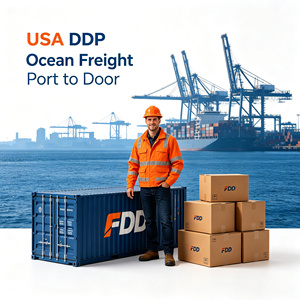
Active reefer monitoring, direct factory collection, and unbroken cold chain sea freight.

Express multimodal air cargo integration combined with rapid customs clearance at primary hubs.
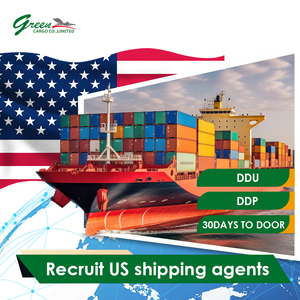
Consolidated ocean FCL/LCL solutions for automotive, industrial components, and retail exports.
Secure palletized logistics, terminal transshipment, and high-frequency European corridor runs.
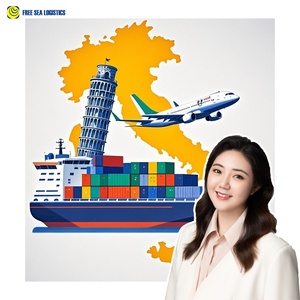
End-to-end import/export logistics covering Central European customs declarations and tax handling.
Full-spectrum ocean carriage matching international Incoterms with strict port departure rotations.
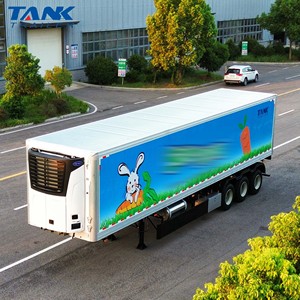
Industrial-grade refrigerated haulage syncing seamlessly with sea reefer container devanning.
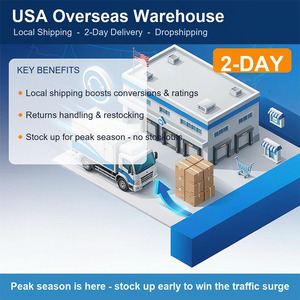
Port-centric devanning, bonded warehousing, and rapid B2B/B2C fulfillment for transatlantic routes.
Slovakia represents the industrial heartland of Central Europe. Navigating ocean export corridors from a landlocked nation demands specialized intermodal engineering connecting Slovakian industrial parks directly to Europe's primary deep-water container ports.
For exporters in Bratislava, Trnava, and Nitra, the southern rail corridor to the Port of Koper (Slovenia) and Rijeka (Croatia) offers the absolute lowest transit times to the Middle East, Southeast Asia, and East Coast USA. Utilizing direct block-trains reduces traditional maritime lead times by 7 to 10 days compared to northern routing.
Northern European ports provide maximum sailing frequency and mega-vessel container capacity. Slovak exporters in Žilina, Košice, and Prešov leverage high-volume consolidated rail shuttles operating between Slovakia's dry container terminals and the mega-hubs of Hamburg, Bremerhaven, and Rotterdam.
The Port of Bratislava on the River Danube functions as a key strategic transshipment terminal for heavy abnormal industrial goods. Oversized engineering assets, steel manufacturing infrastructure, and chemical plants utilize barge transit directly down the Danube to the Black Sea Port of Constanța.
| Routing Gateway | Primary Industrial Sectors | Inland Rail / Transit Mode | Average Ocean Transit (Transpacific/Atlantic) | Strategic Advantage |
|---|---|---|---|---|
| Koper / Trieste Corridor | Automotive Parts, Electronics, Precision Tools | Dedicated Metrans / Rail Cargo Operator Block Train | 22–28 Days to Asia / 18–22 Days to US East Coast | Fastest Lead Time Significant carbon minimization |
| Rotterdam / Antwerp Hubs | Chemicals, Capital Machinery, Consumer FMCG | Daily Cross-Border Shuttle Train & Road Haulage | 28–34 Days Global Base Port Coverage | Maximum Flexibility Highest carrier sailing density |
| Bratislava River Port / Constanța | Heavy Castings, Energy Infrastructure, Abnormal Loads | Danube Heavy Barge followed by Bulk Ocean Vessel | Bespoke Charter Cycles | Oversized Specialists Solves heavy payload limitations |
Analyzing systemic disruptions, regulatory pressures, and digital evolutions across the Slovak logistics corridor from 2025 through 2030.
With maritime emissions integrated into the EU Emissions Trading System (EU ETS) and impending FuelEU Maritime rules, carriers are factoring surcharges directly into sea freight rates. Slovak exporters are rapidly migrating road-port drayage onto zero-emission intermodal rail networks to hedge against compounding carbon surcharges.
Global supply chain disruptions have triggered a surge in assembly plants across western and eastern Slovakia. Ocean export logistics now emphasizes bidirectional component balancing—importing raw materials and specialized subcomponents from Asia via sea, and exporting finished high-value equipment globally.
Traditional manual tracking is obsolete. Modern Slovak exporters deploy IoT-instrumented smart containers providing real-time telemetry on vessel position, port dwell times, container internal humidity, and temperature, enabling proactive supply chain pivots around port strikes or congestions.
Slovakia's expanding export profile requires intelligent capital preservation. Port-centric and dry-terminal bonded warehouses allow corporations to stage finished assemblies without paying immediate value-added duties until maritime bills of lading are definitively finalized and released into transit.
Combining 30+ years of frontline freight forwarding experience with direct carrier allocations, Tier-1 terminal agreements, and multi-accredited European infrastructure.
Every phase of our multimodal sea freight management is governed by ISO 9001:2015 certified workflows and top-tier unannounced BRCGS AA+ standards, safeguarding integrity for consumer products, industrial components, and perishables.
We eliminate operational fragmentation. Avoid finger-pointing between subcontractors: our team assumes legal, customs, and operational accountability from Slovak factory loading through terminal rail, sea transit, and global destination delivery.
Suspend VAT and duties with our specialized bonded warehousing facilities. Export-focused Slovak firms can stage imported raw inventories or export merchandise indefinitely without upfront duty settlements until ocean carriage commences.
From abnormal manufacturing equipment to high-precision robotics, our certified packaging operations deliver custom wood crating, moisture-barrier wrapping, and corrosion inhibition meeting all destination maritime quarantine standards.
Achieving carbon-neutral operations years ahead of international benchmarks, we furnish corporate enterprise shippers with certified Scope 3 carbon tracking and recommendations for multimodal emissions abatement.
Our dedicated regulatory department ensures correct HS/Commodity code classification, preferential origin trade agreement verification, and seamless electronic export declaration handling to prevent port impoundments.
Practical, technical, and regulatory clarity addressing the frequent logistics dilemmas facing industrial purchasing managers across Slovakia.
Connect with our senior multimodal logistics coordinators for container scheduling, route cost-benefit modeling, and direct carrier space allocation.
Send an Inquiry