Top 10 LCL Cargo Consolidation Manufacturer & Factory in the Belgium Market

A Comprehensive Industry White Paper on Strategic Port-Centric Logistics, Hub Deconsolidation, and Multimodal Belgium–Europe Freight Architecture

Integrated Supply Chain Hardware & Services

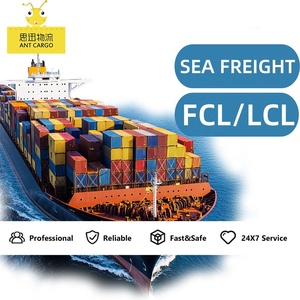
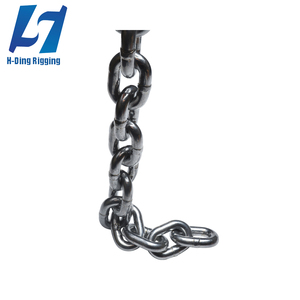
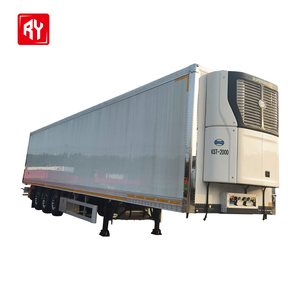
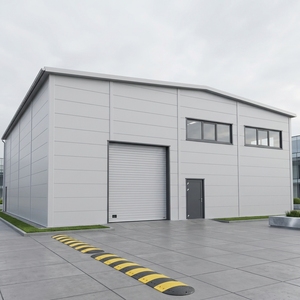
Featured Industrial Logistics Assets & Transport Solutions

Deploying precision manufacturing, temperature-controlled fleet distribution, structural distribution infrastructure, and comprehensive DDP/LCL forwarding networks across the Benelux and European gateway hubs.

Strategic Geopolitical Hub

Belgium: The Operational Epicenter of European Cargo Consolidation

Positioned precisely within the densest industrial and consumer quadrant in Western Europe, Belgium's maritime and inland infrastructure delivers unmatched advantages for Less-than-Container Load (LCL) freight operators.

Port of Antwerp-Bruges Tri-Modal Gateway

As Europe's second-largest seaport handling over 289 million tonnes annually, the integrated Port of Antwerp-Bruges provides instant access to inland waterways, dedicated rail corridors, and pan-European motorways (E17, E19, E40), eliminating transit friction for consolidated cargo.

Article 23 Fiscal Representation

Belgium's sophisticated tax architecture permits deferred import VAT under VAT Article 23 licensing. International importers avoid cash flow locks upon customs release, deferring VAT liability until periodic declarations are filed—maximizing working capital for consolidated freight distributions.

24-Hour Pan-European Market Reach

From cross-dock facilities in Flanders, Wallonia, and Brussels, consolidated shipments reach over 60% of European consumer purchasing power within 24 to 36 hours. Belgium functions as an open arterial channel directly feeding the Ruhr Valley, Northern France, Luxembourg, and the Netherlands.

Evaluation Parameter Direct FCL Container Shipping Traditional Hub Groupage Optimized Belgian CFS LCL Consolidation
Inventory Holding Cost High (Requires large batches of 15–28 CBM) Moderate (Uncertain staging delays) Low (Lean batching, pay strictly per CBM/KG)
Customs Decoupling Risk Single inspection halts whole container Risk of cascading clearance holds Independent Bill of Lading (HBL) line-item release
Benelux Final-Mile Transit Direct drayage + unpack: 2–4 days Off-dock re-handling: 3–6 days Port-Centric Deconsolidation: 24–48 hours direct
Capital Liquidity (VAT) Upfront payment without Article 23 Dependent on forwarder license Fully deferred through Belgian Fiscal Rep systems
60%
EU Purchasing Power within 24h
289M+
Tonnes Port Maritime Volume
0%
Upfront VAT with Article 23
99.4%
Schedule Adherence Reliability
Localized Applications

Industrial Application Scenarios in the Belgian Logistics Corridor

From Antwerp's massive petrochemical cluster to Wallonia's life-science logistics parks, consolidated cargo management serves specialized, high-compliance economic sectors across Belgium.

Pharmaceutical & Life Sciences

Belgium is a global pharmaceutical hub. LCL consolidated operations utilize ATP-certified, temperature-controlled reefers and dedicated GDP-certified CFS chambers to maintain strict 2–8°C and 15–25°C chains from factory to distribution labs.

Chemicals & Industrial Raw Materials

Leveraging the second-largest petrochemical cluster in the world at Antwerp, specialized ADR-certified LCL groupage routes move intermediate chemical batches, utilizing high-tensile galvanised lashing systems for hazardous freight stability.

Automotive & High-Tech Spares

Feeding assembly plants and Tier-1 vendors across Genk, Ghent, and Brussels, Just-In-Time (JIT) LCL scheduled movements prevent factory downtime through rapid devanning and same-day express road freight connections.

Cross-Border E-Commerce Distribution

Serving major fulfillment networks near Liège Airport and the Brussels ring, consolidated consumer freight is sorted, palleted, and directly injected into local B2B and B2C parcel networks with zero intermediate storage dwell time.

Market Evolution & Dynamics

Key Local Trends Reshaping Belgian LCL Consolidation

Technological disruption, climate mandates, and evolving European customs frameworks are redefining how cargo consolidation manufacturers and logistics factories engineer throughput.

Digital Twin CFS & IoT Real-Time Telemetry

Container Freight Stations (CFS) across Antwerp and Zeebrugge increasingly utilize automated optical character recognition, RFID pallet level validation, and dynamic volumetric scanning to give buyers sub-container visibility before seal breaks.

ICS2 Release 3 & Advanced Customs Security

The European Union's Import Control System 2 (ICS2) mandates detailed Entry Summary Declarations (ENS) prior to loading. Belgian forwarders operate interconnected API architectures to pre-clear multi-shipper manifests without border hold-ups.

Decarbonization & Green Corridor Multimodalism

In accordance with the EU Corporate Sustainability Due Diligence Directive (CSDDD), Belgian consolidation hubs shift linehaul from pure road drayage to electrified inland barges along the Albert Canal and high-speed rail lines to Germany.

Enterprise Distinction

Why Institutional Shippers Choose Our Global Consolidation Framework

Combining over three decades of international supply chain expertise, ISO/BRCGS certified storage environments, and owned port-centric infrastructure across strategic European transport gateways.

30+ Years Forwarding Mastery

Decades of navigating complex trade lanes, port disruptions, bilateral tariff adjustments, and multi-modal transitions guarantee your consolidation schedules are backed by operational resilience.

Independently Audited Certifications

Fully compliant under ISO 9001:2015 Quality Management and BRCGS Storage & Distribution AA+ credentials, ensuring high standards for FMCG, retail, and industrial cargo alike.

Single Accountable Team

From factory floor pickup, crating, and marine transport to customs clearance, bonded deconsolidation, and final-mile distribution, our operations run under one accountable roof without hand-off risk.

Carbon Neutral Logistics

Operating sustainable warehouses with rooftop solar power, electric handling equipment, and precise Scope 3 carbon reporting, enabling corporate shippers to achieve Net Zero milestones.

Optimize Your LCL Freight Landed Cost Today

Connect with our Belgian and global supply chain engineers to analyze your cargo consolidation patterns, review tariff classifications, and access guaranteed CFS sailing schedules.

Get a Quote
Procurement Knowledge Hub

Frequently Asked Questions by Belgian Importers & Procurement Specialists

Authoritative operational answers addressing regulatory frameworks, fiscal advantages, cross-dock procedures, and transit optimization for Belgian trade.

What are the exact advantages of Belgian Article 23 VAT deferment for LCL cargo?
Under Belgian VAT legislation, Article 23 permits licensed importers to postpone the payment of import VAT to their periodic VAT returns rather than paying cash upfront at customs clearance. For LCL shipments—which often involve high-mix, frequent inventory orders—this eliminates significant cash flow tie-ups, accelerates terminal release at Antwerp or Zeebrugge, and simplifies pan-European fiscal representation.
At what volume threshold does LCL consolidation beat FCL shipping financially?
Typically, shipments measuring under 13 to 15 cubic meters (CBM) or below 8,000–10,000 kg are more economically transported via LCL consolidation. With LCL, shippers pay solely for the space and weight their goods occupy within the container. Additionally, LCL prevents capital from being locked into slow-moving buffer inventory, matching lean manufacturing models used across Belgian industrial corridors.
How does customs clearance operate when multiple shippers share one container?
Each individual shipment inside a consolidated container is issued its own distinct House Bill of Lading (HBL) and distinct customs declaration document. Upon container arrival at an authorized Container Freight Station (CFS) or customs bonded facility, individual consignments are devanned. One consignment flagged for physical inspection or document check does not block the clearance and onward delivery of the remaining compliant cargo.
What documentation is required to clear LCL shipments through Belgian ports under EU ICS2?
Under the EU Import Control System 2 (ICS2), complete Entry Summary Declarations (ENS) must be transmitted electronically prior to vessel loading. Essential documents include the Commercial Invoice with detailed itemized descriptions, Packing Lists with precise dimensions and net/gross weights, validated 6-digit HS/TARIC codes, valid EORI numbers for the importer/fiscal representative, and certificates of origin if applying for preferential tariff treatments.
How does port-centric bonded warehousing prevent demurrage and detention charges?
Demurrage charges mount quickly when containers dwell on ocean terminal pads waiting for paperwork or consignee readiness. By moving the full consolidated container to a port-adjacent bonded warehouse or off-dock CFS immediately upon vessel discharge, empty containers are promptly unpacked and returned to the shipping line within free-time limits. Cargo is then held securely under bond with suspended duty/VAT until dispatch instructions are issued.
Can specialized or hazardous (ADR) goods be included in standard LCL consolidation?
Certain classes of dangerous cargo can be co-loaded in LCL containers provided they comply with the International Maritime Dangerous Goods (IMDG) Code segregation rules. Certain chemical classes cannot be loaded together in the same container. Our dangerous goods specialists evaluate Safety Data Sheets (SDS), verify certified packaging (UN certified), handle required IMO documentation, and coordinate transport through compliant Belgian ADR transport channels.

Begin Your Consolidation Assessment Today

Consult with our pan-European logistics specialists to streamline transit schedules, ensure complete customs compliance, and optimize supply chain capital across Belgium and the wider EU.

Get a Quote