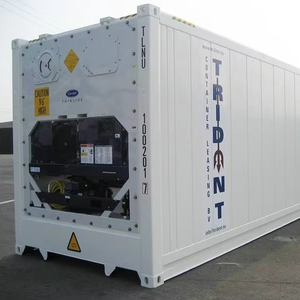
Direct supply lines, temperature-controlled multimodal units, and EN/CE standard load-securing equipment for worldwide logistics pipelines.



Managing international truckload freight shipping (FTL/LTL), combined multimodal legs, and out-of-gauge engineering hardware demands structural clarity. Operating alongside critical UK gateways—including Felixstowe, the Port of Ipswich, London Heathrow, and Liverpool—our infrastructure bridges overseas factory production with compliant European delivery. With over three decades of vetted logistics execution, our approach addresses supply chain friction at the source: verifying material conformity, streamlining port customs declarations, and applying certified load securement hardware before rolling wheels touch terminal roads.
Whether moving high-speed delta picking machinery across intermodal links or securing 57-kilometer structural routes (such as national grid T-pylon programs and underground transit assemblies like the Mexico City Metro), our operational footprint provides transparent landed costs, bonded duty deferment, and carrier accountability under one unified chain of custody.
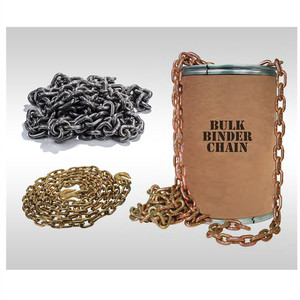
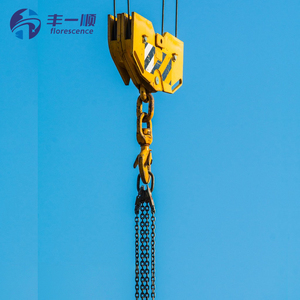
Deploying heavy tie-down components—including quenched & tempered G70 20Mn2A load chains and G43 proof-tested links—engineered to meet stringent roadside enforcement protocols (EN 12195-2/3 and NACM standard specifications).
Port-centric bonded storage facilities defer import duties and import VAT until the precise moment freight is dispatched into domestic circulation, mitigating front-loaded supply expenditures for heavy procurement.
Seamless execution across ocean FCL/LCL, air charters, and road heavy haulage networks. Direct consolidation reduces transfer frequency, mitigates shock exposure, and eliminates intermediate handling damage.
The procurement landscape for cross-border freight shipping is experiencing fundamental regulatory and technological restructuring. Procurement officers, EPC project engineers, and supply directors must adapt to three macro developments:
Logistics partners are now accountable for direct emissions measurement. Having reached carbon neutral benchmarks five years ahead of standard target timetables, our infrastructure provides certified Scope 3 calculations per metric ton-kilometer. Importers will increasingly face tariffs on misreported operational footprint indicators under evolving EU/UK border carbon systems.
Road safety agencies across transit corridors have intensified enforcement regarding working load limit (WLL) calculations and lashing certifications. Sourcing verified rigging chains (G70/G80) and certified reefer units from validated origin factories is no longer optional—it directly prevents load rejections, dynamic rollovers, and terminal impoundments.
The legacy separation between manufacturing suppliers, booking brokers, and destination customs agents has become obsolete. Efficient operations rely on integrated agreements where packing verification, ISPM-15 wooden crating, transit liability, and customs declarations fall under a single contractual SLA.
Authoritative technical insights for operations directors, import planners, and transport engineers.
Whether you require audited heavy rigging hardware, temperature-controlled multimodal containers, or an end-to-end engineered transport solution for critical project freight, our technical desk is available to assist.
Contact Us