Comprehensive Strategic Whitepaper: The Evolution of Flatbed Trucking & Project Freight Procurement
Modern global logistics operations demand unprecedented resilience, engineering oversight, and compliance rigor. Sourcing industrial road transport—specifically open-deck flatbed trucking, extendable low-loaders, and heavy haulage platforms—requires more than transactional brokering. Procurement directors and supply chain engineers are navigating a convergence of tighter infrastructure constraints, increased weight ratings, and evolving international trade corridors connecting industrial hubs across China, Europe, Central Asia, and the Americas.
Flatbed transport stands as the critical arterial mechanism for cargo that defies standard ISO containerization: out-of-gauge (OOG) machinery, heavy pre-cast structural infrastructure, structural steel, renewable energy turbine assemblies, and modular plant skids. Selecting the right flatbed trucking suppliers in China demands a rigorous inspection of certified securing hardware, structural axle configurations, and cross-border customs declarations to prevent catastrophically costly port demurrage and transit failures.
"Industrial flatbed trucking is an engineering discipline first and a transportation service second. Load securement calculation, dynamic weight distribution, and road geometry analysis dictate real-world supply chain velocity."
As industrial manufacturing migrates toward hyper-specialized component manufacturing, logistics integrators must coordinate multimodal chains where factory-to-port flatbed haulage interfaces directly with heavy lift ocean vessels, bonded warehousing, and localized inland distribution centers. Reliability hinges on verifiable certifications, auditable safety compliance, and comprehensive physical infrastructure across critical hubs.
Predictive Total Cost of Landed Risk
Procurement teams are shifting away from standalone freight rates per kilometer toward total landed risk evaluation. This model accounts for permit delays, cargo lash certifications (AS/NZS, EN 12195, DOT), and port demurrage contingencies in single master service agreements.
IoT-Telemetry Load Verification
High-value industrial skids and heavy components increasingly demand active IoT sensor suites. Real-time accelerometers monitor G-force impacts, vibration spikes, dynamic strain on lashing chains, and geometric tilt throughout cross-border transit corridors.
Consolidated Multimodal Interlining
Direct integration between origin overland flatbed haulage and bonded maritime hubs avoids redundant transfer points. Freight buyers demand integrated partners capable of managing factory pick-up, port handling, bonded staging, and final international road leg dispatch.
Technology Horizon
Development Trends Transforming Flatbed & Over-Dimensional Transit
Emerging engineering frameworks enhancing transport safety, decarbonisation, and regulatory efficiency.
Grade 80 / 100 Structural Alloys
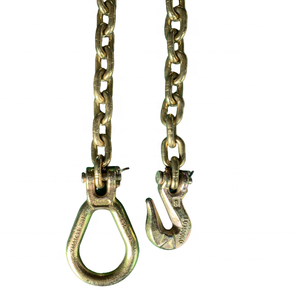
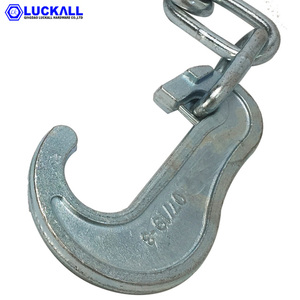
Adoption of higher strength-to-weight alloy steels in tie-down assemblies and lashing chains increases Working Load Limits (WLL) while reducing overall vehicle deadweight.
Digital Digital Twin Route Simulation
Pre-trip corridor analysis utilizing LIDAR point clouds and 3D terrain scanning allows simulation of turning radiuses, bridge clearances, and structural overpass capacities before deployment.
Decarbonised Prime Movers
Transition toward high-horsepower LNG, hydrogen-electric, and hybrid prime movers allows transport operators to meet Scope 3 corporate sustainability targets without compromising tractive effort.
Automated Customs Harmonization
Real-time synchronization between in-house customs specialists and overland routing platforms automates documentation checks, preventing border holdups across key international trade lanes.
Operational Superiority
Why Global Importers & EPC Contractors Rely on Our Infrastructure
Three decades of verifiable, audited freight forwarding, port logistics, and specialized road haulage performance.
Owned Strategic Port-Centric Footprint
Our infrastructure operates directly beside major maritime and industrial hubs—including facilities at Felixstowe, the Port of Ipswich, London Heathrow, and Liverpool. Cargo unloads directly from sea vessel or air cargo bay onto staged flatbed and heavy haulage equipment without intermediary demurrage exposure.
Audited Quality & Uncompromised Compliance
Backed by ISO 9001:2015 certifications and an unannounced-audit grade of BRCGS AA+, our processes adhere to the highest global quality management protocols. Every load is secured with certified lashing gear tested to international standards (EN, AS/NZS, WLL-rated).
Single Point of Accountability (End-to-End)
No fragmented subcontracting handoffs. From origin route assessment, export packaging, ISPM 15 bespoke crating, and in-house customs clearance, to bonded warehousing and abnormal load pilot escorts, every link is executed under one transparent master contract.