
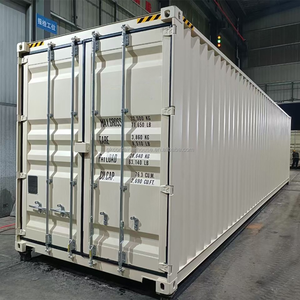
Deploying specialized container fleet engineering, cold-chain transport, heavy-duty lashing, and turnkey consolidation nodes tailored for worldwide procurement resilience.
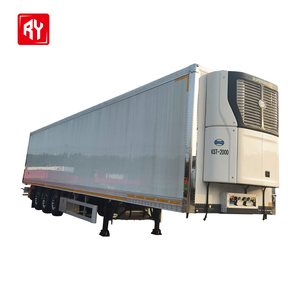
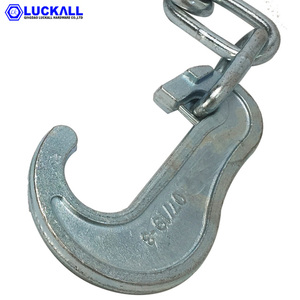
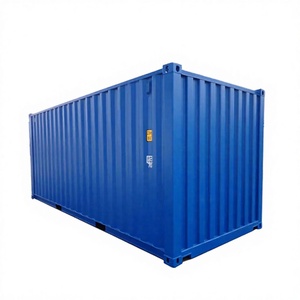

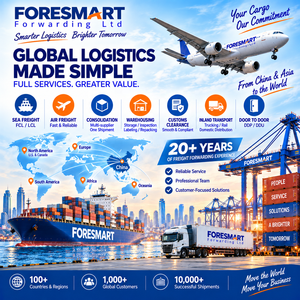
Operating beyond standard brokerage to deliver asset-backed freight handling, bonded tax mitigation, and high-security consolidation.
Our cross-docking facilities, bonded warehouse networks, and devanning protocols undergo stringent unannounced external audits, upholding verified compliance across regulated food, pharmaceuticals, and industrial components.
Strategically deployed at the Port of Felixstowe, Port One Suffolk, London Heathrow, and Liverpool. Cargo is stripped, consolidated, and routed directly at deep-water gateways, slashing inland container drayage costs and demurrage risks.
Facilitate cash-flow optimization by suspending import duty and import VAT until stock is actively pulled for UK circulation, or eliminate domestic tariffs entirely by leveraging re-export bonded consolidation corridors.
Ranked among the premier independent air cargo forwarders in the UK, orchestrating express charters, consolidated air corridors, and rapid temperature-controlled transit directly out of our specialized Heathrow operations.
Custom bespoke crating, vacuum barrier sealing, and shock-mitigated export packaging produced in-house at ABP Port of Ipswich to safeguard out-of-gauge engineering machinery, automotive components, and delicate industrial assemblies.
Operating verified carbon-neutral five full years ahead of national benchmarks. We supply enterprise shippers with itemized, container-level CO2e audit telemetry and solar-powered material handling infrastructure.
In high-frequency industrial manufacturing, fragmented logistics structures reliant on uncoordinated Less-than-Container Load (LCL) movements inflict severe commercial penalties: elevated terminal handling charges (THC), excessive exposure to transshipment handling damages, and administrative overhead across disjointed bills of lading. Custom OEM Cargo Consolidation represents the strategic conversion of disparate vendor components—originating across disparate geographic hubs—into unified, structurally sound Full Container Loads (FCL). By consolidating multiple Purchase Orders (POs) at strategic inland container depots or bonded coastal nodes, enterprise procurement directors capture the economies of scale intrinsic to 40ft High-Cube and specialized intermodal equipment.
Cargo consolidation is fundamentally an exercise in geometric packaging optimization and weight distribution physics. When mixing dense cargo such as G80 galvanized drag lashing chain (13mm alloy steel) with high-cube, low-density cargo or delicate electrical components, weight-bearing load plans must strictly adhere to the dynamic stress limits defined by the IMO/ILO/UNECE Code of Practice for Packing of Cargo Transport Units (CTU Code). Utilizing custom side-opening containers or standard ISO dry boxes allows industrial shippers to stage multi-tiered load configurations, minimizing broken stowage while ensuring that center-of-gravity tolerances conform to marine vessel stability requirements.
The international procurement landscape is transitioning rapidly from speculative, buffer-heavy inventory architectures to near-real-time, data-synchronized consolidation networks. Shippers must navigate three transformative vectors:
First, the rise of Micro-Hub Regional Consolidation. Geopolitical realignments and diversified sourcing strategies necessitate regional aggregation facilities capable of receiving small-batch OEM components from across Southeast Asia, China, and Eastern Europe, pre-sorting, palletizing, and containerizing them into single-destination boxes before international maritime dispatch. This mitigates upstream bottleneck vulnerability.
Second, Automated Scope 3 Carbon Ledgers. Regulatory frameworks, including the EU Corporate Sustainability Due Diligence Directive (CSDDD) and tightening UK carbon disclosure rules, mandate verifiable emissions tracking. Consolidating disparate freight into optimized FCL sea journeys or coordinated intermodal rail routes slashes the per-metric-ton carbon footprint by up to 34% compared to piecemeal LCL and expedited air alternatives. Real-time carbon tracking telemetry embedded in modern WMS/TMS solutions is no longer a luxury—it is a procurement requirement.
The operational trajectory of global consolidation lies in algorithmic 3D volumetric planning paired with autonomous port-centric logistics parks. Advanced packing algorithms calculate the exact sequence of loading according to unload order, volumetric displacement, and fragility thresholds, eliminating transit settling damage. Furthermore, consolidation programs are increasingly being designed backward from the final point of distribution. Port-centric facilities—such as our installations at Felixstowe and Port One—allow containers to transition seamlessly from deep-water berths directly into bonded devanning, quality inspection, and immediate B2B or e-commerce delivery streams without the exorbitant drayage costs associated with moving containers to remote inland hubs.
Authoritative clarity addressing compliance, structural volume break-evens, and cross-border risk mitigation.
Financial and operational analysis indicates that the economic pivot point between Less-than-Container Load (LCL) and Full Container Load (FCL) consolidation occurs between 13 and 15 cubic meters (CBM), or when shipment weights exceed 4,000 kg, depending on the route and commodity density. Below 13 CBM, LCL freight charges may appear cost-competitive on the basic ocean rate; however, destination LCL terminal handling fees, devanning costs, and documentation charges compound rapidly. By consolidating small-lot OEM purchases into a dedicated 20GP or 40HQ container, buyers eliminate individual destination CFS handling surcharges, enforce custom lashing standards, and preserve packaging integrity.
Under a verified bonded consolidation structure, raw materials, assemblies, and finished products enter customs-supervised bonded facilities with customs duty and import VAT fully suspended. Shippers can consolidate consignments from ten different overseas manufacturers into an inventory pool, de-van the cargo under bond, and only pay fiscal duties when goods are discharged into domestic circulation. If the consolidated units are designated for re-export to other global destinations, the domestic duty is eliminated entirely, safeguarding liquidity and preventing double-taxation across complex supply networks.
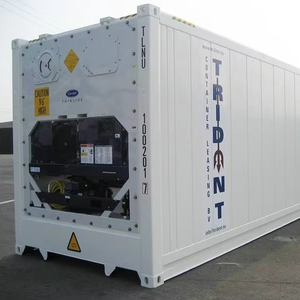
Co-loading heterogeneous industrial goods mandates absolute compliance with the CTU Code and segregation regulations set by the International Maritime Dangerous Goods (IMDG) Code. High-mass goods, such as steel machinery or G80 chains, are floor-anchored with heavy-duty dunnage, welded stop-blocks, and high-tensile lashing chains to transmit kinetic shock into the container's corner posts rather than sidewalls. Temperature-sensitive pharmaceuticals and perishable components are strictly routed through dedicated dual-temperature reefer trailers or dedicated reefer containers rather than dry boxes, preventing cross-contamination and thermal degradation.
To establish a smooth multi-supplier consolidation pipeline, the forwarder requires: (1) Valid 6-to-10-digit HS/Commodity Codes for each product variant to confirm duty tariff structures and preferential origin applicability, (2) Accurate commercial invoices and packing lists detailing individual item weights, dimensions, and center-of-gravity markings, (3) Clarified Incoterms (typically FOB origin port or EXW factory gate), (4) Verified Material Safety Data Sheets (MSDS) for chemical or battery-containing items, and (5) Detailed Cargo Ready Dates (CRD) per vendor to construct a synchronization matrix that minimizes port dwell time.
Connect directly with our senior logistics architects and customs specialists to design an asset-backed, cost-optimized consolidation routing for your manufacturing supply chain.