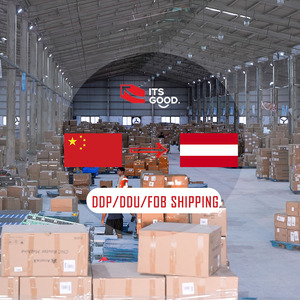
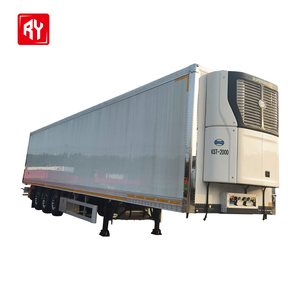
From custom tri-axle reefer semi-trailers to automated terminal conveyor hardware and turnkey DDP multimodal lines, our portfolio bridges origin manufacturing with inland destination delivery.
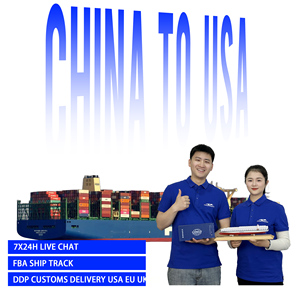
In modern global supply chain ecosystems, the marine terminal gate and the intermodal ramp represent the most volatile choke-points. While ocean container vessels achieve significant economies of scale across transpacific and transatlantic deep-sea routes, efficiency often collapses within the crucial first and final miles. Custom OEM Container Drayage Services represent a dedicated, engineering-driven logistics methodology that goes beyond basic spot-market trucking. It provides institutional exporters, heavy equipment fabricators, high-tech manufacturers, and automotive Tier-1 suppliers with contracted chassis pools, guaranteed port-gate reservations, real-time telematics, and bonded inland drayage lanes designed specifically for their production timetables.
Unlike standard retail freight, Original Equipment Manufacturers operate under rigorous Just-In-Time (JIT) and Just-In-Sequence (JIS) manufacturing constraints. A single stalled container bearing structural castings, wire harnesses, or sub-assembly roller components can idle an entire assembly line, resulting in catastrophic operational overhead and contractual penalties. Professional drayage exporters design custom drayage solutions combining port-adjacent off-dock container yards (CY), specialized heavy-haul tri-axle chassis, integrated customs brokerage declarations, and cross-dock devanning to insulate manufacturing schedules from demurrage, detention, and terminal congestion.
Leveraging over three decades of port-centric infrastructure, certified quality governance, and institutional shipping capabilities.
Our operations follow audited Quality Management Systems. Our BRCGS Storage & Distribution AA+ accreditation—achieved via unannounced audits—ensures spotless custody chains for sensitive retail, food-grade, pharmaceutical, and high-value OEM cargo.
Direct infrastructure positioned at the UK's premier maritime gateways: Felixstowe, Port One Suffolk, ABP Port of Ipswich (Westbank engineering facilities), Liverpool, and London Heathrow air-freight hubs, minimizing drayage road-miles.
Operating a verified carbon-neutral business five years ahead of national 2030 targets. We empower overseas clients to fulfill Scope 3 emissions reporting via solar-energized distribution centers, electric terminal equipment, and route-optimized hauls.
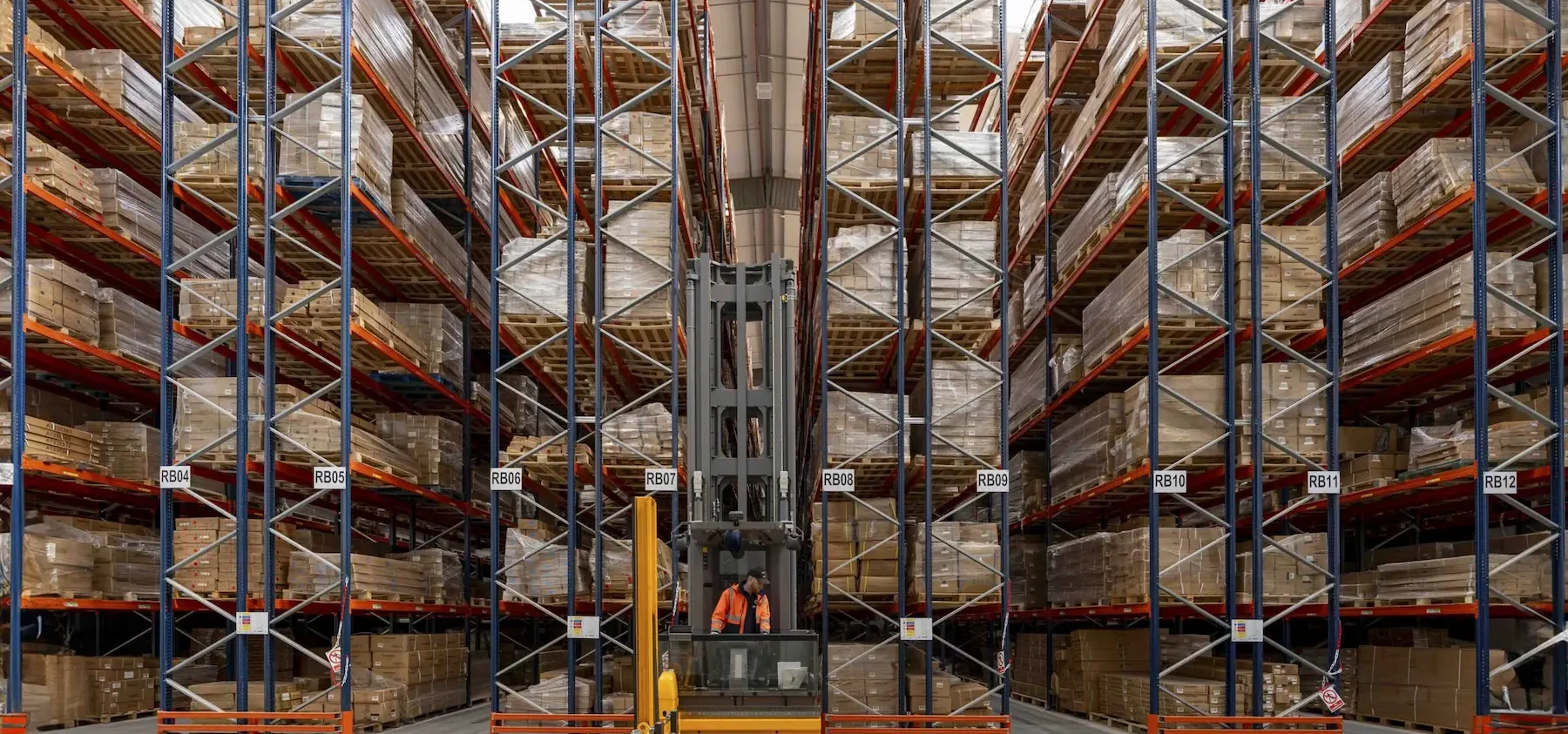
Container demurrage and detention clock penalties run ruthlessly at major container hubs. By draying ocean containers straight into our port-centric bonded facilities located minutes outside terminal gates, we immediately terminate the shipping line's equipment clock.
Our crews safely de-stuff, inspect, cross-dock, and re-palletize industrial machinery, oversized project hardware, and high-cube containers into standard curtainsider trailers or bonded warehouse bays—slashing final-mile delivery costs while deferring VAT and duty.
Request Infrastructure AuditEngineered logistics profiles matching commodity requirements, gross vehicle weight laws, and port-terminal dynamics.
| Drayage Service Class | Target Cargo & OEM Sector | Chassis & Equipment Spec | Demurrage Mitigation Mechanism | Operational Status |
|---|---|---|---|---|
| Direct Pier-to-Plant Drayage | High-tech electronics, automotive assembly lines, critical tooling | Dedicated 40ft/45ft high-cube air-ride chassis with integrated GPS-telematics | Pre-cleared green-lane customs dispatch; priority terminal gate appointment booking | Active Fleet |
| Overweight Corridor Drayage | Industrial machinery, energy switchgear, structural steel components | Specialized 3-axle & 4-axle heavy-duty chassis; weight-dispersion permits | Designated off-dock heavy transport corridors bypassing state highway gross-weight limits | Active Fleet |
| Cold-Chain & Reefer Drayage | Pharmaceuticals, active chemical agents, perishable raw food stocks | Gen-set mounted underslung reefer chassis with real-time temperature logging | Continuous shore-power plug-in staging yards; rapid ramp-to-cold-storage transfers | Active Fleet |
| Bonded Transload & Cross-Dock | Consumer goods, high-tariff manufactured goods, retail seasonal inventory | Drop-trailer multi-shuttle fleet with 40ft-to-53ft transload conversion | Full suspension of UK/EU import duty and VAT inside bonded customs staging terminals | Active Fleet |
| Hazardous & Dangerous Goods Dray | Lithium-ion energy storage, industrial polymers, class-regulated agents | ADR-certified heavy haul units with spill-containment and hazmat kit equipment | DG documentation pre-verification; direct bonded hazmat containment bays | Active Fleet |
Automated software crawls ocean carrier manifests, calculating Last Free Day (LFD) across steamship lines and terminal operators to sequence drayage dispatches precisely, eliminating avoidable demurrage fees.
Direct electronic data interchange (EDI) and RESTful API hooks into Port Community Systems (Destin8, CNS, Port Pro) allow instant slot booking during tight terminal gate reservation windows.
Bypassing strained marine terminal chassis pools with our privately maintained, tri-axle, lightweight, and extendable chassis fleet, removing equipment-shortage bottlenecks during peak import surges.
Our dedicated customs declaration teams prepare import and export entries ahead of vessel arrival, reconciling tariff classification, preferential rules of origin, and excise duties without third-party handoffs.
How macroeconomic policies, decarbonization mandates, and digital freight architectures are transforming industrial container transport.
Procurement teams are moving away from volatile spot-market transactional drayage. Post-pandemic supply disruptions proved that relying on uncommitted local owner-operators during volume peaks leaves enterprises exposed to unmanageable demurrage liabilities. Future procurement contracts center around Dedicated Contract Carriage (DCC) models, securing dedicated drivers, locked-in gate reservations, and dedicated chassis pools through multi-year agreements.
Escalating overland trucking costs and stringent driver Hours of Service (HOS) regulations have accelerated the adoption of port-centric storage models. Rather than dispatching ocean containers hundreds of miles inland via direct long-haul drayage, OEMs are procuring short-radius drayage into regional port-centric cross-docks. Cargo is immediately stripped, consolidated, and routed via domestic truckload or intermodal rail, drastically lowering dray costs per revenue-ton.
With corporate sustainability directives (such as the EU CSRD and global ESG frameworks) tightening, multinational exporters are mandating verified environmental data from logistics providers. Procurement scorecards now factor in fleet emission standards, empty-mile avoidance algorithms, alternative fuel usage (HVO100 and electric terminal tractors), and solar-powered cross-dock staging, making decarbonization a prerequisite for contract award.
Advanced telematics, predictive dispatch algorithms, and intelligent terminal ecosystems optimizing throughput velocity.
Next-generation Drayage Management Systems (DMS) interface directly with terminal optical character recognition (OCR) and automated gate systems. Machine-learning dispatch engines analyze historical gate queue delays, container vessel discharge velocity, and customs clearance holds, dispatching drivers to precisely match container availability windows and eliminating costly idle wait times outside port perimeters.
Chassis fleets are transitioning from unmonitored steel trailers to intelligent connected assets. Modern OEM drayage utilizes chassis equipped with solar-powered GPS trackers, radial wheel-end sensors, and pneumatic brake pressure monitors. Fleet operators receive immediate alerts regarding equipment status, tire wear, and weight distribution, preventing en-route mechanical failures and roadside DOT violations.
The greatest source of operational inefficiency in conventional container haulage is the "single-transaction" move—hauling a full import inland and returning empty to the marine terminal. Advanced dispatch optimization coordinates automated street-turns, where an emptied import box is inspected, matched with an outbound OEM exporter via cloud interchange platforms, reloaded locally, and returned as a packed export container in a single round-trip.
Actionable guidance for logistics directors, procurement heads, and overseas freight managers.