
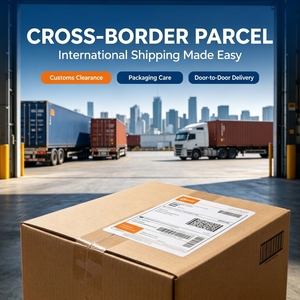
In an era defined by compressed trade cycles, fragmented global regulations, and fluctuating ocean and air capacity, international procurement models demand absolute supply chain sovereignty. Moving cargo across high-velocity manufacturing hubs in China to consumer territories across Europe, the United Kingdom, North America, and the Middle East requires more than simple broker mediation. It necessitates deep multimodal integration, verified port-centric infrastructure, bonded cash-flow optimization, and engineering-grade material handling equipment. This industrial analysis outlines mission-critical shipping vectors, evaluates technological shifts in cross-border freight engineering, and highlights enterprise deployment strategies for Tier-1 supply chains.
Explore our core transit corridors, multimodal DDP lanes, and high-efficiency material handling infrastructure.
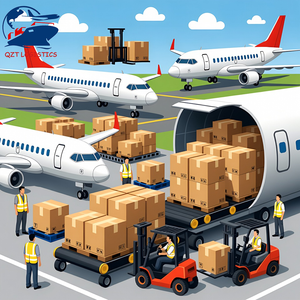
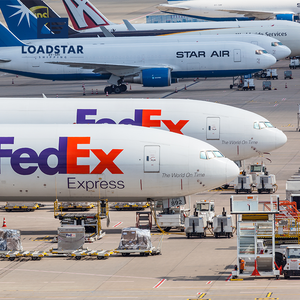
Backing every cargo movement is an audited corporate ecosystem that bridges Chinese industrial manufacturing powerhouses directly with European, British, and global distribution nodes. With over three decades of unbroken operational heritage, our supply network integrates physical port-side facilities, direct air-side transfer hubs, and stringent international compliance certifications.
Years of Direct International Logistics Heritage
Strategic Gateway Nodes (Felixstowe, Ipswich, Heathrow, Liverpool)
BRCGS Storage & Distribution Unannounced Rating
Carbon Neutral Certified Sustainable Fleet & Hubs
Operating under audited ISO 9001:2015 Quality Management standards alongside IATA air cargo accreditations and the highest achievable BRCGS AA+ rating, we eliminate compliance liability for enterprise clients shipping precision automotive parts, high-tech components, consumer electronics, and fast-moving retail goods.
Positioned immediately adjacent to deep-water maritime gates like Felixstowe and the Port of Ipswich, alongside air cargo complexes at London Heathrow, our facilities provide bonded warehousing, duty and import VAT suspension, rapid container devanning, and automated cross-docking that mitigate port demurrage risks.
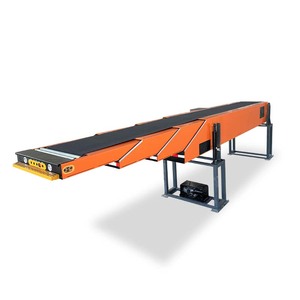
We do not simply route shipments; our direct logistics engineering portfolio builds and deploys high-cycle telescopic conveyor machinery, custom-engineered ISPM 15 wooden crating lines, and computerized pallet handling systems engineered specifically to withstand heavy-haul industrial stress and accelerate container unloading cycle times.
The cross-border logistics landscape between China and Western economies is currently undergoing a structural transformation driven by geopolitical shifts, revised de minimis customs regimes, and the convergence of digital cross-border platforms with physical port-centric infrastructure.
Traditional spot-market chartering is rapidly being superseded by dynamic algorithmic space reservation. Enterprise forwarders now deploy predictive volume forecasting to lock in maritime slots at origin ports across Shanghai, Ningbo, and Shenzhen 45 to 60 days in advance, sheltering enterprise shippers from seasonal rate spikes.
Cross-border procurement trends increasingly mandate bonded warehousing strategies where customs duties and VAT are deferred until goods enter free circulation. This liquidity advantage protects importers from carrying massive tax outlays on long-cycle inventory, unlocking millions in operating cash flow.
Geopolitical friction along the Red Sea and Suez Canal corridors has demonstrated that relying on a singular freight corridor creates catastrophic vulnerability. Modern logistics architectures demand pre-planned multi-vector redundancy, pairing Ocean FCL with Eurasian Rail lines and Sea-Air transshipment hubs in Dubai or Singapore.
With the European Union's Corporate Sustainability Due Diligence Directive (CSDDD) and maritime ETS carbon pricing coming online, procurement directors are selecting logistics partners that provide verified shipment carbon auditing, electric dockside machinery, and biofuels, mitigating future compliance penalties.
Selecting the optimal routing configuration requires balancing landed unit costs against order replenishment cycle times and customs risk profiles. Review our standardized service matrix below.
| Logistics Vector | Primary Cargo Application | Typical Transit Time | Cost / Volumetric Index | Customs & Handover Protocol |
|---|---|---|---|---|
| Direct Ocean FCL (20'/40' HC) | Heavy industrial equipment, bulk parts, high-volume consumer goods | 28–42 Days | Lowest unit landed cost; high volume consolidation | Pre-lodged customs entry, terminal devanning or factory direct shunting |
| Ocean LCL Consolidation | Mid-tier consignments (2 to 14 CBM), production trial batches | 32–48 Days | Pro-rata space charging; avoids full container waste | Bonded CFS container devanning, segmented line-item declaration |
| Direct DDP Air Cargo Express | High-value tech components, urgent stockouts, automotive lines | 3–7 Days | Premium rate; charged by dimensional weight (1:6000 ratio) | Integrated commercial clearance, airside direct-haul dispatch |
| E-Commerce Dropship Parcel DDP | Cross-border DTC brand parcels, B2C marketplace orders | 5–10 Days | Tiered per-gram postal & last-mile courier rates | Simplified IOSS / bulk clearing, regional sorting hub injection |
| Multimodal Sea + Road Haulage | Complex infrastructure, out-of-gauge industrial steel & rails | Engineered Per Milestone | Project-based; route surveys and specialized low-bed trailers | Heavy-haul police permits, full import compliance, site offloading |
Clear, technically rigorous answers to operational, legal, and financial queries regarding freight forwarding and customs management from China.
Connect directly with our senior logistics architects to review your procurement lanes, analyze landed freight costs, and request our complete enterprise solutions catalog.
Get Catalog