
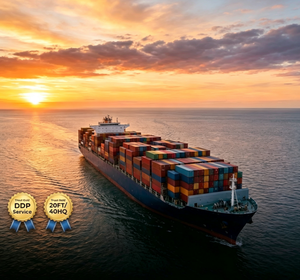
China to UAE FCL LCL Cargo Ocean Shipping Logistics Company Sea Freight Forward DDP Shipping Door to Door FCL LCL
Comprehensive containerized maritime solutions with full tariff integration, consolidation services, and port handling.
From heavy-duty steel distribution hubs to multi-temperature reefer trailers and multimodal end-to-end lines, explore our verified assets designed for rapid deployment into Latin American trade nodes.
Comprehensive containerized maritime solutions with full tariff integration, consolidation services, and port handling.
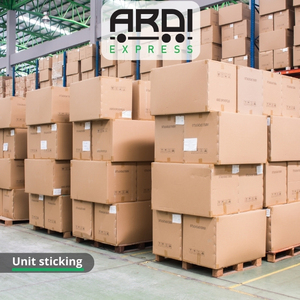
High-density selective pallet racking systems featuring automated WMS tracking, cross-docking, and container unloading capabilities.
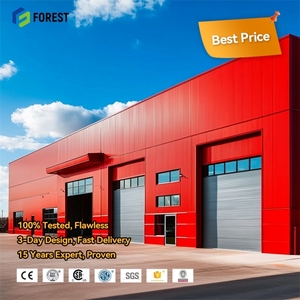
Engineered steel infrastructure configured for modern industrial parks, free trade zones (ZF), and customs bonded enclosures.
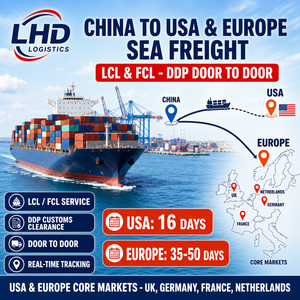
End-to-end global ocean consolidation with automated customs classification, import manifest submission, and terminal dispatch.
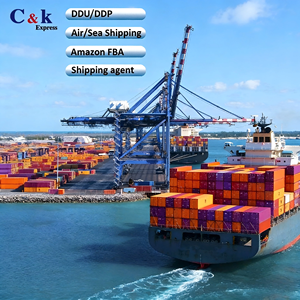
Integrated intermodal operations aligning chartered air freight, line-haul trucking, and intermediate transit bonded warehousing.
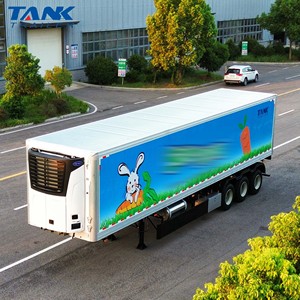
Active cold chain reefer equipment maintaining constant sub-zero profiles for perishable food items, biopharma, and chemical compounds.
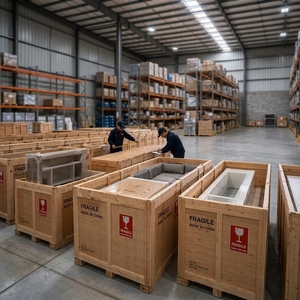
Heavy haulage and abnormal load logistics incorporating specialized permit handling, low-bed transport, and project cargo escorting.
Strategic global supply chain engineering featuring bespoke bonded storage programs, tax-deferral regimes, and value-added kitting.
An executive regulatory and operational analysis for international manufacturers, tier-1 suppliers, and trading houses moving cargo through Buenaventura, Cartagena, Santa Marta, and El Dorado International Airport.
Navigating Colombia's Dirección de Impuestos y Aduanas Nacionales (DIAN) requires precise alignment with Decreto 1165 and current statutory customs frameworks. Under authorized customs warehousing (Depósitos Aduaneros), imported equipment and commodities enjoy duty (arancel) and Value Added Tax (IVA - 19%) suspension.
Strategic inventory positioning in Colombia depends heavily on geography. Maritime access is split across Pacific and Atlantic coastlines, requiring optimized multimodal planning:
Differentiating between Public Bonded Warehouses (Depósitos Públicos) and Free Trade Zones (Zonas Francas Permanentes) is central to optimizing supply chain tax structures across the country:
How leading manufacturers and exporters leverage bonded infrastructure to overcome regional logistical constraints, complex terrains, and import bottlenecks.
Large infrastructure works across Antioquia, Cundinamarca, and the Valle del Cauca demand staged material flows. Using bonded steel yards and project staging hubs, EPC contractors import high-voltage switchgear, prefabricated steel trusses, and earthmoving components under temporary import regimes (Importación Temporal a Largo Plazo), matching fiscal accounting to execution milestones.
Imported consumer electronics, apparel, and lifestyle products flowing into the Bogotá metropolitan area face seasonality swings. Bonded warehouses near Funza, Cota, and Fontibón serve as strategic buffers. Retailers initiate pick-and-pack fulfillment inside bonded zones, nationalizing goods only upon physical dispatch to end-tier fulfillment distribution centers.
Colombia's strict INVIMA regulations mandate continuous temperature integrity. Bonded cold facilities at El Dorado and Cartagena maintain unbroken chains (-20°C to +8°C) for vaccines, biopharma products, and active chemical reagents. Goods reside in controlled staging until INVIMA clearance and laboratory inspection samplings are executed without racking up high demurrage fines at terminal gates.
Technological disruption and infrastructure transformations driving international supply chains toward higher velocity and uncompromised compliance.
Digitalization of Colombian import processes via VUCE allows real-time electronic interchange between customs brokers, DIAN agents, and bonded warehouse operators. This integration reduces dwell times from an average of 11 days down to under 48 hours for authorized OEA operators, sharply curbing storage expenditures.
As multination firms diversify operational hubs outside Bogotá to combat mountain pass delays (such as the Alto de La Línea), bonded warehousing nodes are expanding rapidly around Rionegro (José María Córdova Airport) and Yumbo (Valle del Cauca), giving manufacturers decentralized inventory command.
Conforming to corporate Scope 3 emission targets, leading distribution hubs in Colombia are transitioning to self-sustaining solar arrays, energy-efficient LED automation, and electric container handling equipment, delivering verifiable sustainability reports demanded by European and North American brand owners.
With over three decades of international logistics mastery, audited AA+ distribution processes, and port-centric facilities, we bridge the gap between global manufacturers and regional markets.
Our operations operate under verified ISO standards and hold the highest unannounced audit rating under BRCGS Storage & Distribution, ensuring complete structural reliability for high-value and sensitive cargo.
We eliminate subcontractor fragmentation. From sea (FCL/LCL), air cargo, and heavy project haulage to in-house customs clearance and bonded warehousing, you operate with one point of accountability.
Gain absolute inventory visibility. Our cloud-integrated Warehouse Management Systems provide pallet-level serial tracking, batch control, and automated alerts for dwell time management under local customs regulations.
Achieving carbon-neutral status years ahead of national benchmarks, our port-centric hubs utilize solar roofs and clean-power equipment, providing verified carbon accounting for every consignment.
Critical answers regarding DIAN guidelines, storage limits, tax deferral, and customs logistics protocols for Colombian market entry.
Under DIAN Decreto 1165 regulations, goods entering an authorized customs warehouse (Depósito Habilitado) can be stored for up to six (6) months with taxes and duties suspended. Importers may request an official extension for an additional six (6) months upon proving legitimate commercial necessity before the initial term lapses. Alternatively, operations sited within a Free Trade Zone (Zona Franca) are permitted indefinite storage periods, making them ideal for heavy machinery parts and strategic buffer stock.
When cargo arrives at Colombian maritime or air ports, nationalizing the entire shipment triggers immediate arancel (customs duties between 0% and 15% depending on HS tariff codes) and a 19% Value Added Tax (IVA). Storing your inventory in a bonded facility defers 100% of these tax liabilities until the merchandise is physically cleared for release (nacionalización parcial). This enables businesses to pay duties matching actual customer sales, eliminating massive upfront working capital outlays.
To transfer merchandise from customs warehouse custody to domestic circulation (importación ordinaria), the designated customs broker (Agencia de Aduanas) must file the Declaración de Importación through DIAN's automated clearing engine (MUISCA/SYGA). Supporting documentation includes the Commercial Invoice (Factura Comercial), Packing List, Bill of Lading (B/L) or Air Waybill (AWB), Certificate of Origin (Certificado de Origen) for preferential tariff treaties, and mandatory regulatory approvals such as INVIMA (for food/medical) or SIC/RETIE certifications (for electronics and machinery).
Yes. Under DIAN supervision, authorized bonded facilities allow non-transformative handling operations. These include technical inspection, repacking, sorting, product sampling, and applying mandatory Spanish regulatory labels or tax tax stamps without altering the fundamental commercial nature of the goods. If transformative assembly or industrial manufacturing is required, the consignment must be positioned within a dedicated Free Trade Zone (Zona Franca Permanente).
Yes. If demand changes or goods are earmarked for transshipment to regional trading partners (such as Ecuador, Peru, Panama, or Central America), cargo can be declared under the re-embarque or re-exportación regime directly from the bonded facility. Because the cargo never legally entered domestic free circulation, it is exempt from Colombian import duties and IVA, making bonded logistics hubs an exceptional transshipment bridge for multinational traders.
Port marine terminals at Buenaventura and Cartagena impose steep port storage fees (muellaje) and shipping line container demurrage once free days expire (typically 5 to 10 days). By issuing immediate customs transit documents (Declaración de Tránsito Aduanero - DTA or Continuación de Viaje), containers are transferred swiftly from the quay to an inland or port-adjacent bonded warehouse where containers are devanned, pallets racked, and empty boxes returned to line yards well within the free-time threshold.
Consult with our international freight directors and customs compliance specialists to establish an optimized duty-suspension storage strategy for your brand today.
Get a Quote