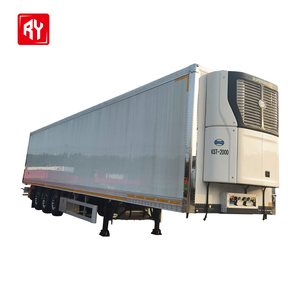
Explore our specialized industrial freight transit systems, temperature-controlled fleet modules, automated conveyor assemblies, and cross-border delivery infrastructure serving procurement teams across Paris and Western Europe.




The transport of raw bulk industrial chemicals, fine pharmaceutical intermediates, cosmetic essences, and advanced agrochemicals into Paris and the surrounding Île-de-France economic powerhouse requires precise synchronization of strict regulatory compliance, specialized multimodal equipment, and intelligent routing. As the densest consumption and high-technology manufacturing belt in France, Paris is anchored by critical chemical downstream applications: the globally renowned Cosmetic Valley spanning southwest from Cergy-Pontoise to Chartres, advanced pharmaceutical biotech clusters around Genopole in Évry and the Paris-Saclay innovation cluster, and critical wastewater treatment facilities managed by SIAAP across the Seine basin.
Chemicals freight transport is not standard commercial freight forwarding; it represents a specialized discipline governed by rigorous European treaty obligations, specifically the European Agreement concerning the International Carriage of Dangerous Goods by Road (ADR), the Regulations concerning the International Carriage of Dangerous Goods by Rail (RID), the International Maritime Dangerous Goods (IMDG) Code, and the strict framework of European Union REACH (Registration, Evaluation, Authorisation and Restriction of Chemicals). When handling international chemical flows moving from manufacturing hubs in East Asia, North America, or the United Kingdom into Paris, supply chain engineers must guarantee complete integrity against chemical contamination, thermal fluctuations, vapor expansion, electrostatic ignition, and environmental spillages.
Operational Imperative: Transiting chemicals through the Paris metropolitan belt involves navigating the strict perimeter of the Paris Low Emission Zone (ZFE-m - Zone à Faibles Émissions mobilité) within the A86 ring, alongside acute Seveso III site safety directives at major chemical distribution terminals across Gennevilliers, Bonneuil-sur-Marne, and Limay-Porcheville.
Years Chemical Logistics Experience
ADR & REACH Compliance Audited
On-Time Gate Clearance Rate
Ahead of Net-Zero Carbon Milestones
Parisian chemical manufacturing plants and processing factories rely intrinsically on the HAROPA (Le Havre, Rouen, Paris) river-sea port system. Maritime container ships carrying hazardous chemicals and high-purity industrial compounds dock at Port 2000 in Le Havre, where ISO tank containers (T11 to T22), specialized flexitanks, and palletized Intermediate Bulk Containers (IBCs) undergo immediate French customs clearance and hazardous material gate inspections.
Rather than placing heavy tractor-trailers onto congested highway arteries such as the A13 and A1, forward-looking logistics protocols utilize the Seine River inland waterway navigation corridor. Chemical barges push container loads through Rouen directly to the multimodal river ports of Gennevilliers (Paris's primary chemical gateway just north of the city center), Bonneuil-sur-Marne (serving the southern and eastern industrial sectors), and Bruyères-sur-Oise. This waterborne routing cuts Scope 3 logistics carbon dioxide emissions by up to 68% compared to direct road transit, completely bypasses Parisian highway bottlenecks, and ensures massive payload stability for heavy liquid bulk cargo.
Complete certified handling and routing across all primary UN hazard categories entering French manufacturing corridors:
Pharmaceutical bio-reagents, specialized catalysts, and fine fragrances require unbroken cold-chain environments:
Customs bonded warehousing allows suspension of French VAT and import duties until delivery execution:
A rigorous engineering and transit duration evaluation across standard maritime, inland waterway, rail, and road chemical corridors serving industrial manufacturing complexes across the Grand Paris region.
| Transport Mode | Primary Cargo Modality | Typical Corridor & Gateway | Transit Duration | Environmental & Regulatory Focus |
|---|---|---|---|---|
| Seine River Inland Barge Decarbonized Corridor | Heavy ISO Tanks (20ft–26ft), Bulk Liquids, Palletized IBCs | Le Havre Port 2000 → Rouen → Port de Gennevilliers / Bonneuil | 36 – 48 Hours | Zero urban congestion; 68% Scope 3 carbon reduction; fully compliant with Grand Paris river-freight masterplan. |
| Dedicated ADR Road Haulage Express Door-to-Door | Specialized Tank Trucks, Box Trailers with Spill Containment | Rotterdam / Antwerp / Dunkirk / UK Gateways → A1 / A104 → Paris Industrial Belt | 6 – 14 Hours | Euro 6d / HVO / Electric fleet compliant with Paris ZFE-m; mandatory ADR kit, telemetry geofencing, and trained driver certificates. |
| High-Security Rail Freight (RID) High Volume Bulk | Pressurized Gas Tank Cars, Heavy Base Chemicals, Polymers | Rhine-Alpine Corridor / Dunkirk → Vaires-sur-Marne / Valenton Rail Hubs | 24 – 36 Hours | Optimal for high-tonnage continuous factory supply; strict adherence to RID Seveso protocols, reducing highway hazard exposure. |
| IATA Certified Chemical Air Freight Time-Critical & Cold Chain | Active Pharmaceutical Ingredients (APIs), High-Value Catalysts | Paris Charles de Gaulle (CDG) / Lyon Saint-Exupéry (LYS) Cargo Ports | 12 – 36 Hours (Global) | Temperature data loggers; validated dry-ice replenishments; expedited customs release via automated air cargo customs terminals. |
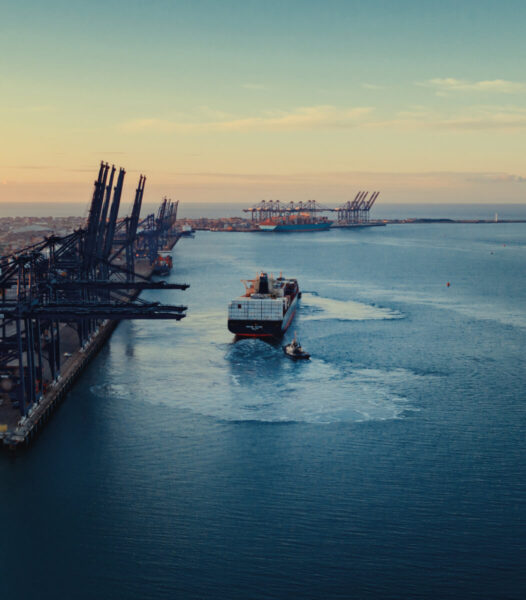
Seamless vessel stowage, IMDG hazardous manifests, and direct transshipment from Antwerp, Rotterdam, and Le Havre into the Paris basin.
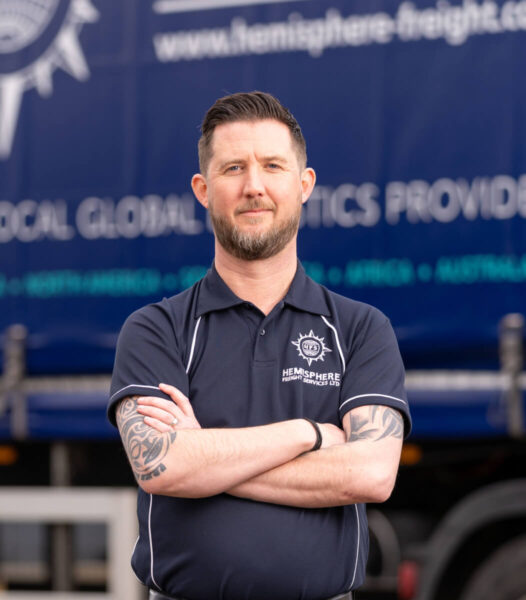
Spill-contained, explosion-proof tractors and specialized semi-trailers fully certified for entry into Paris intra-muros and outer belts.
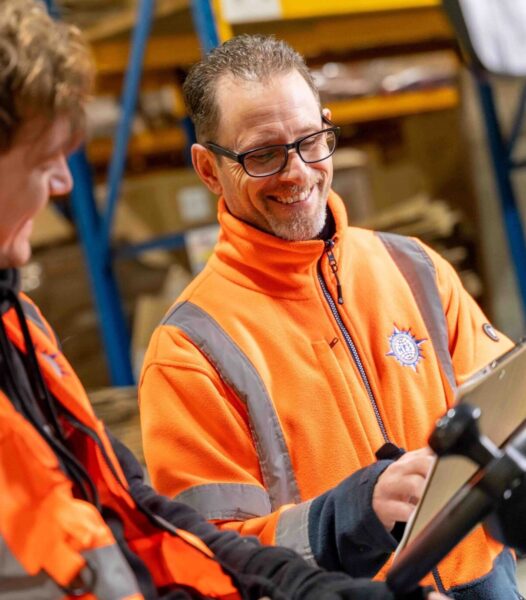
Temperature-monitored, fire-isolated, and automated rack-mounted storage facilities safeguarding chemical purity before plant delivery.
The industrial topography of Paris is extraordinarily diverse, demanding distinct micro-logistics strategies tailored to the regulatory, safety, and manufacturing specifications of each geographic industrial cluster:
Paris is the epicentre of the international prestige fragrance, skincare, and cosmetics sector. Manufacturers clustered along the western arc of Paris require ongoing shipments of high-grade denatured ethanol, natural organic extracts, essential oils, and synthetic surfactants. Many of these compounds are classified as Class 3 Flammable Liquids. Our transport operations deploy dedicated, ultra-clean stainless steel ISO tanks (316L) equipped with inert gas blanketing (nitrogen purging) to inhibit compound oxidation. Delivery directly into sensitive compounding facilities avoids odor contamination, guarantees traceable batch purity, and complies with Good Manufacturing Practices (GMP).
The bio-incubators and manufacturing facilities across Paris-Saclay and Evry rely on steady streams of clinical reagents, sterile active pharmaceutical ingredients (APIs), excipients, and liquid process solvents. These high-value consignments require active pharmaceutical temperature monitoring (-20°C, 2–8°C, or 15–25°C) with telemetric data transmitted directly to plant quality assurance teams via SNMP and cloud data pipelines. We provide uninterrupted cold-chain logistics from international factories straight into Paris cleanrooms, utilizing dual-compressor refrigerated trailers with built-in auxiliary power systems to prevent any thermal deviation.
Heavy industry across Saint-Ouen, Poissy, and eastern Île-de-France relies on high-tonnage shipments of corrosive inorganic acids (hydrochloric, sulfuric, nitric acids) and alkaline pickling agents (sodium hydroxide) for aeronautical plating, metal finishing, and automotive stamping. These Class 8 corrosives demand specialized rubber-lined or fluoropolymer-coated ISO tank containers, anti-syphon discharge valves, and drivers equipped with specialized Level 3 chemical PPE. Routing avoids densely populated Paris centerlines, utilizing dedicated outer rings (Francilienne A104/N104) to access manufacturing bays securely.
The Paris metropolitan municipal water network—including the massive Seine-Aval treatment plant in Achères (one of the largest purification plants globally)—consumes tens of thousands of metric tons of water purification chemicals, coagulants, chlorine derivatives, and flocculants annually. Timed batch delivery is paramount to guarantee municipal water safety for 9 million residents. We coordinate multi-chassis bulk liquid deliveries on rolling 24/7 schedules, integrating synchronized telemetry dispatching to maintain uninterrupted chemical reservoir volumes at municipal treatment hubs.
International chemical manufacturers, plant procurement directors, and raw material importers must align their supply networks with aggressive regulatory and ecological transformations across France:
The Grand Paris Metropole continues tightening Crit'Air vehicle environmental standards inside the A86 ring. Pre-Euro 6 diesel freight trucks face total exclusion. Our transit frameworks incorporate Hydrotreated Vegetable Oil (HVO100) bio-fueled tractor units and electric-assisted delivery platforms, allowing compliant hazardous and non-hazardous deliveries directly to Parisian manufacturing terminals without municipal access penalties.
Under the French "Loi Climat et Résilience", state incentives strongly encourage multimodal rail and river shifting. Major chemical distribution hubs are expanding facilities at the Port of Gennevilliers and Limay to receive chemical freight via electric river barges. Bypassing road networks not only shields buyers from recurring toll increases and fuel volatility but eliminates highway spill risks across densely settled Parisian suburbs.
Traditional paper consignment notes are rapidly being superseded by e-FTI (Electronic Freight Transport Information) and e-CMR protocols. Real-time pressure sensors, internal liquid temperature monitoring, GPS geofencing, and automated emergency services telemetry (providing fire brigades instant chemical SDS access during transit) are now indispensable specifications for Parisian industrial chemical contracts.
Following post-Brexit supply chain realignments and continuing revisions to EU REACH annexes, chemical factories serving Paris must ensure seamless European Chemicals Agency (ECHA) notifications. Every chemical compound imported from overseas must carry verified OR (Only Representative) documentation, current 16-point safety data sheets (FDS - Fiche de Données de Sécurité) in French, and proper Poison Center Notification (PCN) unique formula identifiers (UFI codes). Our in-house customs brokers interface directly with the French Douane system, pre-clearing imports to eliminate demurrage at sea terminals and prevent costly regulatory quarantines.
Built upon more than three decades of specialized international freight forwarding, bonded warehousing, and heavy chemical movement, we provide full-chain accountability from factory gate to production vat.
Our operations operate under independently certified global quality standards. We maintain certified ISO 9001:2015 quality management systems across all freight hubs, an exceptional BRCGS Storage & Distribution AA+ rating for food-grade, cosmetics, and packaging cargo, and top-tier independent IATA Cargo Agent standing for global air-freight corridors.
With strategic hubs adjacent to key European maritime gateways (Felixstowe, Port of Ipswich, London Heathrow, Liverpool, and the English Channel-Le Havre ferry and sea corridors), we manage intermediate bonded storage, container devanning, pallet consolidation, and customs warehousing. Importers defer VAT and duties while releasing stock precisely as Parisian production lines require.
We achieved verified corporate carbon neutrality five years ahead of the UK's 2030 target, maintaining an aggressive roadmap toward true Net Zero by 2050. From solar-powered warehouse microgrids and electric material-handling machinery to shipment-specific Scope 3 carbon telemetry reports, we empower Parisian procurement leaders to satisfy the most demanding corporate ESG obligations.
Authoritative technical answers to common questions raised by chemical plant managers, purchasing directors, and logistics officers operating throughout the Île-de-France economic region.
Every commercial consignment of dangerous goods moving by road into Paris must strictly comply with European ADR regulations. Mandatory documentation includes:
1. A compliant Multimodal Dangerous Goods Transport Document containing the full UN number, proper shipping name (PSN), primary and subsidiary hazard classes, packing group (I, II, or III), tunnel restriction code (crucial for Parisian orbital tunnels like the A86 duplex), and total quantity/mass.
2. A current 16-section Safety Data Sheet (FDS) compiled in the French language complying with Regulation (EU) 2020/878.
3. Written Emergency Instructions (Consignes Écrites) kept within the driver's cab in the required languages.
4. The driver's valid ADR training certificate with specialized tank endorsement (if carrying liquid bulk), along with the vehicle's ADR approval certificate (FL, AT, or EX) and verified emergency containment kits.
The Zone à Faibles Émissions mobilité (ZFE-m) covers all 79 municipalities of Greater Paris enclosed within the A86 ring motorway. Heavy goods vehicles (HGVs) classified as Crit'Air 3, 4, or 5 are prohibited from operating within this perimeter during daytime industrial delivery windows (08:00 to 20:00, Monday through Friday).
To ensure uninterrupted plant servicing, our transport fleet operates certified Euro VI-E heavy tractors, HVO100 biofuel-powered trucks, and clean propulsion systems bearing Crit'Air 1 or 2 badges. For shipments terminating in restricted intra-muros zones, we execute cross-docking at our outer bonded hubs, transferring shipments into clean urban distribution vehicles or coordinating scheduled night-window industrial drop-offs.
Yes. We regularly handle chemical container consignments arriving at maritime ports (Le Havre or Rouen) and transfer them onto scheduled container barges operating along the Seine navigation axis directly to the Port de Gennevilliers or Bonneuil-sur-Marne. This modal routing accommodates standard 20ft and 26ft ISO tanks, swap bodies, and dry containers loaded with IBCs.
Upon barge arrival at Gennevilliers terminal, our pre-dispatched ADR road chassis execute the final short-distance drayage leg directly into local factories across Saint-Denis, Argenteuil, or Cergy. This waterborne routing substantially decreases total landed costs, avoids highway tolls, prevents congestion delays, and provides up to 68% Scope 3 carbon reductions.
We deploy high-specification, multi-temperature refrigerated trailers and specialized temperature-controlled ISO tank containers equipped with electrical heating elements, steam heating coils, and active cooling compressors. Thermal insulation ratings comply with ATP standards for international perishable and chemical transport.
Consignments are equipped with calibrated dual-probe digital data loggers that transmit real-time temperature, humidity, and location coordinates via GSM/satellite telemetry. If internal bay temperatures drift by more than ±0.5°C from the designated setpoint (e.g., maintaining pharmaceutical active ingredients precisely at +4°C or high-purity waxes at +45°C), automated protocols trigger emergency technician response and driver cabin warnings.
Under customs bonded warehousing (entrepôt douanier), overseas chemicals entering France can be stored indefinitely without immediate payment of French customs import duties or the standard 20% French VAT. Duties and taxes are triggered only when specific batches are extracted from the bonded facility and released into free circulation for delivery to your Paris manufacturing plant.
If imported chemicals are subsequently re-exported to clients outside the European Union (e.g., to the United Kingdom, Switzerland, or North Africa), European customs duties and French VAT are completely waived. This delivers substantial cash-flow relief for high-value chemical manufacturers, raw material distributors, and contract manufacturing organizations (CMOs).
All transport operations are supported by our internal team of accredited Dangerous Goods Safety Advisors (DGSA / Conseillers à la Sécurité pour le Transport de Marchandises Dangereuses). Vehicles carry specialized chemical containment gear including neutralizer compounds, absorbent booms, non-sparking shovels, drain seals, and Level B/C chemical protection gear.
In addition, our 24/7 emergency control center is linked to national emergency response organizations (such as CEDRE and regional SDIS fire departments). In the unlikely event of an incident or tank valve compromise along the route to Paris, localized emergency hazmat teams are mobilized instantly to secure containment, isolate runoff, and notify relevant prefectural authorities in total compliance with French environmental legislation.
Connect directly with our senior European chemical transport engineers to analyze your raw material imports, evaluate ISO tank availability, or structure a compliant ADR multimodal corridor into Greater Paris.