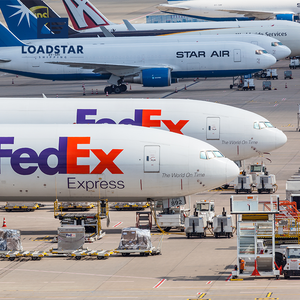
Standardized, multimodal, and infrastructure-tested shipping capabilities connecting global manufacturing corridors to the Port of Montevideo, Carrasco Airport, and regional hubs.
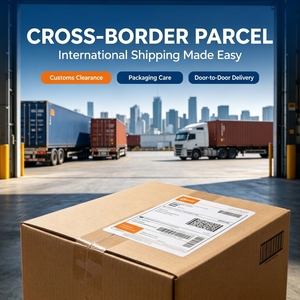
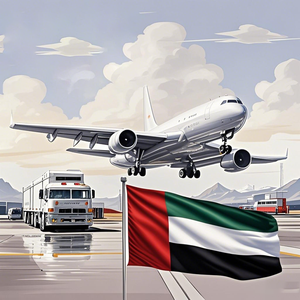
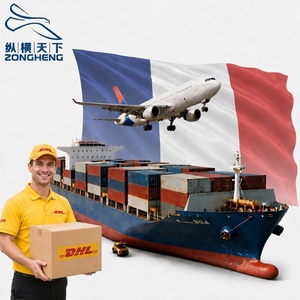
Navigating the regulatory, physical, and fiscal infrastructure of South America's most stable logistics conduit.
Operating as a supplier and exporter targeting Uruguay requires navigating distinct economic nuances. Uruguay commands a unique posture within Latin America: while maintaining a domestic market of approximately 3.5 million residents with high purchasing parity, its primary power lies in its position as a bonded trade distribution springboard for Mercosur and the Southern Cone. Through decades of stable legal frameworks—notably the Free Port Act (Ley de Puertos Libres No. 16.246) and comprehensive Free Trade Zone legislation (Ley de Zonas Francas No. 15.921)—cargo flowing into Montevideo benefits from unique fiscal extraterritoriality.
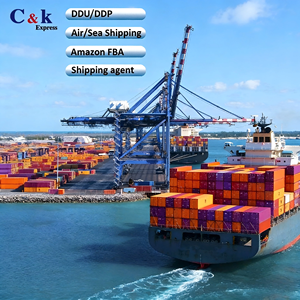
Goods imported through our cross-border logistics network can land at the Port of Montevideo or Carrasco International Airport, enter designated customs-free zones (such as Zonamerica, Parque de las Ciencias, or WTC Free Zone), undergo sorting, breakbulk, minor alteration, assembly, and repacking without triggering corporate income tax, customs import surcharges, or national value-added taxes (IVA). Once regional demand is crystallized, freight is shuttled overland or via feeder barges into Argentina, Southern Brazil, Paraguay, and Bolivia. Success relies on working with a seasoned logistics partner equipped with audited credentials, real-time documentation tracing, and rigorous supply chain management.
Montevideo functions as the only Free Port on the Atlantic coast of South America. Goods circulate freely inside terminal gates without tariff exposure, allowing exporters to hold strategic buffer stocks indefinitely while servicing neighboring Mercosur territories on short notice.
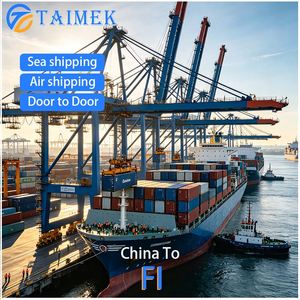
Capitalizing on the Paraná-Paraguay waterway corridor (Hidrovía), our multimodal transit solutions bridge deep-sea container lines directly to shallow-draft river transport and dedicated road freight networks, linking landlocked regions directly to global supply chains.
With pharmaceutical and precision electronics imports subject to strict oversight by Uruguay's Ministry of Public Health (MSP) and LATU, our bonded climate-controlled processes guarantee compliance from point of origin to final mile.
Structural pivots redefining the efficiency, lead times, and regulatory landscape for importers and exporters.
Multinationals increasingly position core inventories inside Uruguayan free zones to hedge against unpredictable port congestion in wider South American territories, reducing fulfillment windows from 45 days to under 72 hours.
The maturation of Uruguay's Single Window for Foreign Trade (VUCE) enables automated processing of customs documentation, cutting clearance intervals and requiring synchronized manifest filings from carriers.
Uruguay’s simplified import regimes and rising consumer demand for premium international brands drive specialized express courier lines and DDP drop-shipping, requiring pre-cleared logistics pathways.
With Uruguay producing over 95% of its electricity from renewable resources, corporate importers prioritize logistics partners that deliver end-to-end carbon reporting and sustainable handling across supply chains.
Decades of freight forwarding experience, certified infrastructure, and hands-on international logistics execution.
Drawing upon more than 30 years of global logistics expertise, our operations bridge key worldwide manufacturing corridors directly into the Southern Cone. Supported by certified port-centric facilities, bonded warehousing, and dedicated freight teams, we replace fragmented freight broker hand-offs with a single point of accountability. Our processes satisfy rigorous external audits, including ISO 9001:2015 for quality management, BRCGS AA+ standards for sensitive storage and distribution, and comprehensive IATA accreditation for international air cargo.
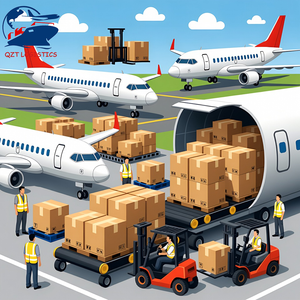
Specialized packing, container devanning, and consolidation across key maritime nodes cut unnecessary drayage costs, minimize physical cargo handling, and provide secure container stowing for transoceanic voyages.
Direct access to regulatory classification professionals ensures accurate tariff filings, prevents administrative delays at the port of entry, and safeguards applicable preferential duty positions.
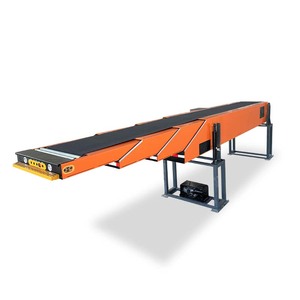
From industrial machinery handling with telescopic conveyor engineering to temperature-sensitive healthcare goods and abnormal loads, our cargo procedures adhere strictly to audited global protocols.
Practical answers concerning customs clearance, Free Port mechanics, Incoterms, and Southern Cone logistics coordination.
Speak directly with our trade logistics team for freight assessments, customs consultation, or tailored multimodal container forwarding.
Inquire Now