Seamlessly bridging intermodal container terminals, automated packing systems, and high-velocity multimodal freight corridors across the Greater Sydney Basin.

A rigorous examination of short-haul container movements, dry port interface logistics, high-productivity vehicle integration, and metropolitan rail shunts.
Navigating Patrick Terminals, DP World, and Hutchison Ports via 1-Stop Vehicle Booking Systems (VBS). Mitigating stevedore infrastructure surcharges, container demurrage, and terminal turn-times through synchronized slot management and dedicated PBS-approved skel carriers.
Harnessing the Southern Sydney Freight Line (SSFL) and rail interchanges across the Moorebank Intermodal Precinct (MLP), Enfield Intermodal Logistics Centre, and St Marys Freight Hub to bypass arterial motorway congestion, compressing carbon-per-TEU expenditure by up to 65%.
End-to-end multi-drop drayage and de-stuffing connectivity across the M4, M5, and M7 distribution clusters—including Eastern Creek, Kemps Creek, and Badgerys Creek—integrating rapid cross-docking, automated de-palletization, and final-mile industrial freight.
Delivering engineering-grade supply chain solutions built for high-throughput retailers, bulk industrial importers, and regulated supply lines.
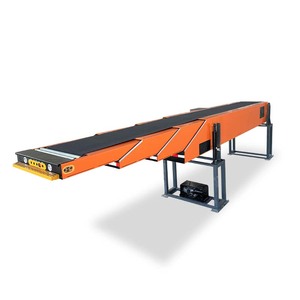
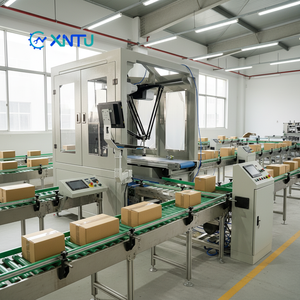
Accelerating container turnarounds within Sydney warehouse rings. Utilizing advanced telescopic boom conveyors and high-speed robotic delta palletizers to de-stuff 40ft High Cube containers in under 42 minutes, eliminating costly chassis retention penalties and empty detention accruals.
Active monitoring and genset-equipped chassis fleets catering to refrigerated reefer imports moving from Port Botany to Western Sydney distribution centres. Fully certified to BRCGS AA+ distribution benchmarks, maintaining verified core temperatures across time-sensitive dairy, protein, and pharmaceutical runs.
Navigating Transport for NSW (TfNSW) heavy vehicle regulations, oversize mass permits, and route curfews. Dedicated low-profile extendable trailers and multi-axle steering dollies handling infrastructure components, transformer deliveries, and civil engineering assemblies across regional NSW.
Evaluating transit cycle metrics, payload efficiencies, and carbon expenditure across primary multimodal routings from Port Botany.
| Modality Routing Pattern | Permissible Payload (Gross) | Avg Turnaround Cycle | Carbon Intensity (gCO2/TEU-km) | Demurrage Vulnerability | Regulatory Framework |
|---|---|---|---|---|---|
| Direct Port-to-DC Road Drayage (Semi-Trailer) | Up to 42.5 tonnes (GCM) | 2.5 – 4.0 Hours | 110 – 135 g | Moderate (Subject to M5/M8 peak congestion) | Standard General Access |
| High Productivity Super B-Double (PBS Level 2B) | Up to 68.5 tonnes (GCM) | 2.0 – 3.2 Hours | 72 – 88 g | Low (2 × 40ft or 4 × 20ft consolidated haul) | NHVR / TfNSW Approved Routes |
| Port Botany to Inland Rail Shuttle (MLP/Enfield) | 3,000+ tonnes trailing mass | Scheduled Shunt Windows | 35 – 48 g | Minimal (Immune to highway traffic blockages) | SSFL Rail Corridor Access |
| A-Double Container Port Shuttle (PBS Level 2) | Up to 79.0 – 85.5 tonnes | 2.2 – 3.5 Hours | 65 – 78 g | Low-to-Moderate (High payload per prime mover) | Designated Heavy Vehicle Network |
How regulatory shifts, electrification, and dry-port hubs are redefining freight movement across New South Wales.
The maturation of the Moorebank Intermodal Precinct represents a generational shift in NSW freight distribution. Direct port-to-rail container shuttles replace thousands of truck movements daily along the congested M5 corridor, pairing automated rail-mounted gantries (RMGs) with adjacent high-bay automated distribution facilities.
Driven by strict Scope 3 ESG targets and Sydney metropolitan clean air mandates, short-haul drayage is becoming ground zero for heavy transport electrification. Battery electric vehicle (BEV) prime movers handling 30–60 km quay-to-depot turnaround loops operate alongside zero-emission yard hostlers.
With stringent Department of Agriculture, Fisheries and Forestry (DAFF) biosecurity mandates and escalating Brown Marmorated Stink Bug (BMSB) season controls, Sydney drayage operators are heavily integrating Approved Arrangement (AA) Class 1.1, 1.2, and 4.3 wash-bays and fumigation pads directly into intermodal transit yards.
Three decades of logistical authority backed by global quality standards, certified bonded networks, and advanced carbon transparency.
Extensive experience managing complex intermodal rail shuttles, container haulage, customs brokerage, and 3PL fulfilment with verified end-to-end cargo security.
The highest independently audited storage and distribution benchmarks. Your supply chain adheres to meticulous quality compliance and cargo handling standards.
In-house customs declarations, duty deferment, and customs bonded warehouses that suspend taxes until release, optimizing working capital and demurrage avoidance.
Achieving carbon-neutral operations ahead of schedule, with transparent shipment-level Scope 3 greenhouse gas reporting and solar-powered inland depots.
Actionable answers to technical logistics, slot management, and compliance inquiries.
Consult with our intermodal engineering team to streamline Port Botany container turnarounds, integrate automated warehouse devanning, and slash your Scope 3 landed carbon footprint.