Verified solutions engineered for European supply chains, overland multi-axle freight routing, temperature-controlled transit, and international gateway connectivity.

How Swiss precision manufacturing overcomes geographic topography through multimodal roll-on/roll-off platforms, inland waterway barge RoRo, and alpine rail corridors.
Although the Swiss Confederation is geographically landlocked within Western Europe, it functions as the structural pivot of the trans-European transport network (TEN-T) North-Sea-Mediterranean and Rhine-Alpine corridors. For Swiss industrial manufacturers producing heavy electrical transformers, precision rail infrastructure, specialized military vehicles, and high-value modular assemblies, Roll-on/Roll-off (RoRo) methodology represents an indispensable logistics vector that guarantees complete structural integrity and eliminates crane-hoisting risks associated with traditional lift-on/lift-off (LoLo) practices.
Swiss industrial Roll-on/Roll-off solutions operate through three interconnected operational arteries: the inland maritime terminals at the Port of Switzerland (Schweizerische Rheinhäfen in Basel-Kleinhüningen, Birsfelden, and Muttenz), the trans-Alpine intermodal Rollende Landstrasse (RoLa / Rolling Highway) infrastructure connecting directly with Northern Italy, and deep-sea roll-carrier consolidation routed through prime oceanic gateways including Antwerp, Rotterdam, Bremerhaven, and Genoa. Through standardized low-chassis multi-axle trailers, hydraulic modular self-propelled transporters (SPMTs), and customized MAFI roll-trailers, Swiss-engineered industrial outputs maintain seamless, shock-damped transit from high-tech alpine manufacturing plants to global marine destinations.
The operational interface requires rigorous calculation of dynamic lash forces, kingpin load distributions, and alpine gradient stresses. Under Swiss legislation governed by the Federal Roads Office (FEDRO / ASTRA), heavy rolling units exceeding standard statutory limits (40 metric tons gross vehicle weight) demand specialized engineering documentation, electronic clearance permits (Ausnahmebewilligungen), and route-surveyed bridge structural analysis. Swiss RoRo logistics providers engineer factory-level transport saddles, roll-on cradle assemblies, and bespoke tie-down frameworks adhering strictly to EN 12195-1 calculation parameters and VDI 2700 securing standards.
| Transport Modality | Swiss Gateway / Node | Optimal Cargo Archetype | Structural Advantages | Permit & Compliance Threshold |
|---|---|---|---|---|
| Barge RoRo / Rhine River | Port of Switzerland (Basel) | Heavy generators, turbines, oversized chemical reactors | Bypasses road weight bans (LSVA); zero crane handling at factory interface | Rhine Navigation Act |
| Intermodal RoLa (Rolling Highway) | Freiburg (DE) to Novara (IT) via Simplon/Gotthard | Accompanied full-tractor combinations, food/pharma reefers | Transits Swiss Alps in compliance with nocturnal driving bans; driver rest compliant | BAV Trans-Alpine Quota |
| Low-Bed Heavy Haulage RoRo | Direct overland to Antwerp/Rotterdam/Genoa | Precision rail vehicles (Stadler Rail type), tunneling boring assemblies | Direct roll-on roll-off ramp access without intermediate reloading | FEDRO / ASTRA Special Permits |
| MAFI Heavy Roll-Trailers | Seaport marshalling yards (Deep-Sea connection) | Static industrial equipment, high-tonnage mining components | Payload capacities exceeding 120 metric tons; low center-of-gravity maritime stowing | IMO CSS Code Annex 13 |
From precision engineering clusters in Baden to specialized rail technology in Thurgau, review how Swiss production hubs leverage custom RoRo methodologies.
Canton Aargau (Baden / Birr cluster): Swiss power generation manufacturers construct oversized turbine rotors and generator stators requiring high-stability transport. Utilizing multi-axle modular low-bed trailers, units roll directly from assembly halls onto Rhine RoRo pontoons at Birsfelden, securing unimpeded transport to North Sea terminals without navigating restrictive German motorway bridges.
Canton Thurgau (Bussnang) & St. Gallen: Production of electric multiple units (EMUs) and custom cogwheel locomotives demands specialized rail-to-road ramp systems. Using custom-engineered ramp bridges, rail cars are rolled onto low-loader hydraulic sets directly at the factory gate, dispatched under escort to Bremerhaven, and driven onto oceanic car-and-truck carriers (PCTC) for overseas delivery.
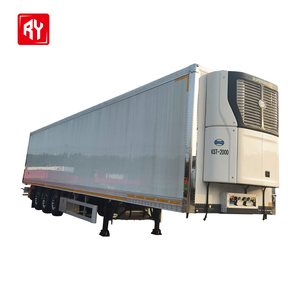
Canton Basel-Stadt & Basel-Landschaft: The world-renowned Swiss biomedical corridor relies on high-security three-axle refrigerated rolling units. Operating with dual-temperature zones and automated telematic temperature logging, these units roll into RoLa rail systems to bypass trans-Alpine road bans, guaranteeing uncompromised cold-chain continuity for high-value biologic APIs.
Cantons Uri, Graubünden, & Valais: Subterranean drilling rigs, hydraulic excavators, and tunnel boring segments manufactured for extreme geotechnical conditions require heavy-duty roll-on solutions. We engineer heavy ramp angles with low clearance to allow tracked machines to drive autonomously onto heavy-duty rolling platforms for immediate relocation.
Canton Bern (Thun) & Kreuzlingen: Precision tactical wheeled defense vehicles require enclosed, tamper-evident RoRo logistics. Roll-on capabilities ensure that sensitive military-grade electronic navigation and internal guidance systems remain unexposed to crane drops, weather extremes, and multi-point transfer vulnerabilities throughout international deployment.
Zurich & Geneva Innovation Centers: Advanced electric automotive prototypes, specialized chassis, and high-value racing vehicles destined for European test circuits or worldwide motor expos utilize enclosed multi-car rolling transport. Vehicles are loaded via gentle-angle hydraulic ramps to protect ultra-low aerodynamics and carbon composite splitters.
A strategic overview of regulatory shifts, decarbonization mandates, and digital customs transitions influencing Swiss industrial supply chains.
The revised Swiss Performance-Related Heavy Vehicle Fee (LSVA) actively incentivizes zero-emission traction. Logistics operators are shifting towards 40-tonne electric tractors paired with heavy RoRo trailers, substantially reducing cantonal road toll liabilities while achieving carbon reductions on feeder routes connecting Swiss production sites to Basel Rhine terminals.
Switzerland’s complete migration from the legacy e-dec clearance system to the fully digitized Passar customs platform revolutionizes cross-border roll-on freight. Automated digital transit clearance (NCTS Phase 5) eliminates dwell times at border crossings such as Basel-St. Louis and Chiasso, facilitating uninterrupted intermodal RoRo operations.
Persistent summer low-water events at the critical Kaub bottleneck have accelerated the engineering of next-generation low-draft RoRo pusher barges. These advanced vessels maintain 1,200-tonne rolling cargo payloads at water drafts under 1.3 meters, safeguarding Swiss export continuity against seasonal climate volatility across the Central European waterway network.
Implementation of sensor-integrated tension straps and automated roll-trailer coupling systems allows continuous monitoring of lashing pre-tension forces (daN) during deep-sea oceanic transits. Real-time accelerometers detect adverse pitch and roll motions, ensuring Swiss high-precision machinery arrives with uncompromised factory-calibrated alignments.
In-depth clarifications regarding customs regulations, axle weight restrictions, Rhine navigation parameters, and RoRo vs. LoLo selection criteria.
Connect with our senior logistics engineering division to review project route surveys, heavy-lift axle allocations, cantonal transport permits, and door-to-port multimodal scheduling.
Get Catalog