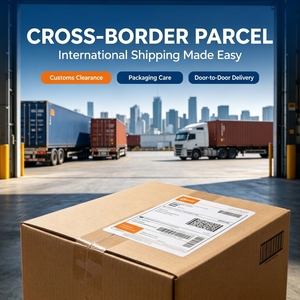
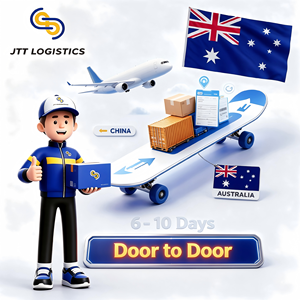
Seamless multi-modal integration: combining global direct vessel agreements, door-to-door destination delivery, and warehouse automation for oversized rolling assets.
Navigating heavy rolling stock logistics, maritime terminal stevedoring, and multi-modal transit through the Port of New York and New Jersey (PANYNJ).
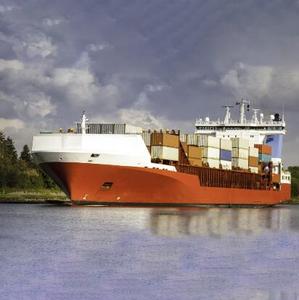
Roll-on/Roll-off (RoRo) transport through New York terminals eliminates the excessive stresses of crane hoists. Utilizing dedicated stern and quarter-stern vehicular ramps with capacities exceeding 500 metric tons, motorized industrial chassis, wheeled plant equipment, and specialized heavy trailers are stowed securely on ventilated, height-adjustable tween decks protected entirely from marine saltwater corrosion.
Not every oversized unit rolls under its own power. We engineer end-to-end transloading sequences for static abnormal loads—such as gas turbines, industrial transformers, and rail infrastructure assemblies. Utilizing multi-axle Mafi roll trailers and heavy goose-neck prime movers, static breakbulk is converted into seamless RoRo cargo directly across Port Newark Auto Marine Terminal berths.
The Port of New York and New Jersey maintains intricate berth architectures across Port Newark, Elizabeth Marine Terminal, and Bayonne. Export and import operations require synchronized coordination with the International Longshoremen’s Association (ILA), rigorous TWIC terminal access compliance, and rigorous lashings certified according to IMO CSS Code Annex 13 standards.
Connecting high-density civil construction projects, regional energy upgrades, and corporate fleets with transatlantic and global sea routes.
Delivery of heavy tracked tunnel excavators, high-capacity mobile cranes, and rail assemblies destined for major Metropolitan Transportation Authority (MTA) and Amtrak Northeast Corridor transit modernizations.
Staging and sea deployment for substations, heavy cable drums, and service vehicles operating out of South Brooklyn Marine Terminal (SBMT) to support Long Island and Atlantic offshore renewable facilities.
High-volume processing for OEM electric utility trucks, municipal municipal service tractors, and commercial vehicle chassis entering through Red Hook or Port Newark for distribution throughout NY, NJ, and CT.
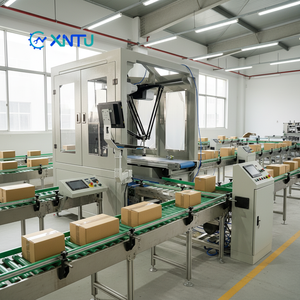
Direct discharge of precision robotic manufacturing cells, factory packaging lines, and telescopic equipment requiring enclosed RoRo holds to completely eliminate maritime salt exposure.
A side-by-side technical performance evaluation between Pure Car and Truck Carriers (PCTC/RoRo), Lift-on/Lift-off (LoLo) vessels, and Containerized Flat Racks.
| Evaluation Parameter | Roll-on / Roll-off (RoRo) | Lift-on / Lift-off (LoLo Breakbulk) | Open Top / Flat Rack Container |
|---|---|---|---|
| Lifting Stress & Risk | Zero crane-lift stress; roll-on via stern ramp directly to underdeck bay. | Dual or single tandem marine crane hoist; high point-load exposure. | Spreader-beam hoisted; constrained strictly to standard ISO container cell dimensions. |
| Salt Spray & Weathering | 100% enclosed, climate-managed garage deck protection. | Primarily weather-deck stowage; prone to ocean moisture and salt crusting. | Exposed on deck or semi-protected inside vessel hold; tarpaulin dependent. |
| Discharge Speed (PANYNJ) | Rapid ramp tow-off; typically cleared berth within 4–12 hours. | Complex rigging setups required; crane delays often exceed 24–48 hours. | Fast terminal turn, but heavily subject to intermodal chassis supply shortfalls. |
| Oversized Cargo Ceiling | Up to 500+ Metric Tons per Mafi unit; vertical clearances exceeding 5.2m. | Flexible limits constrained only by port mobile crane hook capacity. | Constrained to rigid platform payload ratings (<45 MT recommended). |
| Cost Profile (New York Export) | Optimized $/CBM pricing without recurring mobile heavy-crane surcharges. | High stevedoring, derrick barge rentals, and crane operator charges. | High out-of-gauge (OOG) container lost-slot fees applied by ocean carriers. |
Emerging environmental mandates, digital customs workflows, and fleet electrification impacting heavy equipment imports and exports.
The Port Authority of New York and New Jersey’s Clean Air Strategy is driving mandatory shore-power installations across car and equipment terminals. Vessels docking at Port Newark and Bayonne increasingly hook into the regional electric grid, slashing berth-side particulate matter and Scope 1 port emissions by over 90% during stevedoring turnarounds.
The mass exportation and importation of electric construction apparatus and heavy commercial EV trucks require dedicated terminal charging zones, thermal monitoring protocols, and maritime safety certifications under IMDG Class 9 regulations. New terminal standard operating procedures prevent thermal runaway risks during high-density below-deck voyages.
U.S. Customs and Border Protection (CBP) inside the New York port district now enforces real-time electronic title validation for used self-propelled equipment under 19 CFR Part 192. Digitalized pre-lodgement protocols drastically diminish dwell times, clearing specialized rolling plant for immediate high-priority vessel loading cycles without delay.
Merging deep transatlantic forwarding capabilities with port-centric warehousing, rigorous quality compliance, and decarbonized supply chain practices.
Our quality management systems are externally audited to ensure repeatable precision. Achieving the highest possible AA+ grading for unannounced logistics and distribution audits, we manage high-value industrial assemblies and consumer distributions under uncompromised governance frameworks.
With an extensive footprint across key shipping hubs including Felixstowe, Ipswich Port, London Heathrow, and Liverpool, seamlessly interlinked with New York and New Jersey trade corridors, we minimize long-distance secondary drayage, dramatically curtailing handling liabilities and drayage fees.
Attaining certified carbon-neutral business status five years ahead of national benchmarks, our operations utilize warehouse solar arrays, electric handling machinery, and shipment-level Scope 3 greenhouse gas reporting to support enterprise client environmental scorecards.
We eliminate disjointed handoffs between subcontractors. Your project cargo, export documentation, customs brokerage, and destination haulage are orchestrated by dedicated forwarders who understand the engineering specifics of your machinery and procurement agreements.
Our dedicated packaging facilities design bespoke, ISPM 15 compliant heavy-duty crating, anticorrosive vapor-phase barrier packaging, and engineering saddles engineered to secure abnormal, out-of-gauge equipment across severe transoceanic conditions.
Leverage authorized customs bonded storage facilities to defer import duty and VAT assessments until rolling units are released into national circulation, preserving capital reserves for major equipment distributors and international traders.
Crucial procurement, customs compliance, and operational answers for plant managers, logistics directors, and international buyers.
Consult with our marine technical superintendents and project logistics specialists for comprehensive stowage plans, route surveys, and competitive transatlantic or global ocean freight schedules.
Get Catalog