
Precision multimodal chemical containment, industrial load securitization, and intercontinental multimodal freight pipelines engineered for high-consequence commercial transit between China, North America, Europe, and Brazil.

Brazil Fertilizer Import Dependency
Strict Hazardous Ground Transport Norm
Domestic Navigable Maritime & Cabotage Coastline
International Storage & Quality Audit Standard
An authoritative analysis of industrial tank truck manufacturers, ISO tank fabricators, rail-chemical corridors, and 3PL integrators operating within the Mercosur regulatory perimeter.
Road haulage moves more than 60% of all bulk liquid chemicals in Brazil. Dominant national manufacturers design custom road tankers engineered to resist corrosion and severe highway vibrational stress across routes like BR-163:
Containerized chemical shipping demands rigorous containment units rated for marine and ground intermodal transport:
Transport execution requires certified hazardous material handlers that bridge global oceanic freight with domestic cabotage and internal road pipelines:
Chemical logistics in Brazil is uniquely split across vast geographic production ecosystems, each requiring customized containment, thermal monitoring, and transport documentation.
Brazil’s agricultural belt depends heavily on imported active pharmaceutical ingredients (APIs), fertilizers (NPK complexes), and specialized crop-protection pesticides. Consignments landing at the Port of Paranaguá or Santos undergo long-haul transport across the BR-163 and BR-364 corridors.
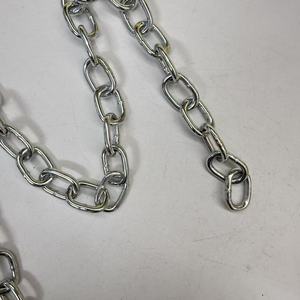
This setting demands reinforced tie-down equipment, such as galvanized welded link chains and anti-shear load securing straps, to ensure that heavy containerized loads do not shift over uneven roadbeds. Warehousing requires temperature buffering to avoid chemical degradation under tropical humidity.
The industrial triad comprising Camaçari (Bahia), the Replan refinery complex in Paulínia (São Paulo), and the Triunfo Petrochemical Complex (Rio Grande do Sul) generates heavy demand for inter-plant bulk transport of flammable aromatics, ethylene oxide, and benzene derivatives.
Logistics operators utilize custom-engineered double-bottom tank road trains (Bitrem) and ISO tank containers equipped with vapor recovery systems, telemetry level switches, and emergency cutoff valves that comply with ABNT NBR standards.
With thousands of kilometers of coastline, shipping coastal cabotage from South to North is a cleaner and more economical route for industrial reagents. Caustic soda and sulfuric acid used for mineral processing in Pará and Maranhão are moved through marine vessels into Itaqui and Barcarena ports.
Marine transshipment demands heavy-duty ISO tank frameworks and welded link chain tie-downs rated for dynamic sea forces, minimizing environmental release risks along fragile ecological waterways like the Amazon basin.
Key regulatory overhauls, infrastructural modal shifts, and green supply chain initiatives are redefining operational standards throughout the Brazilian subcontinent.
The "BR do Mar" legal framework (Law 14.301) was passed to open Brazilian coastal shipping to broader chartering arrangements. This reform enables chemical manufacturers to bypass high highway freight tariffs and highway cargo theft risks by shifting bulk liquid cargo from São Paulo and Rio de Janeiro ports to the northeastern processing belts via coastal container ships.
Brazil’s land transport agency (ANTT) has enforced updated regulations governing the terrestrial transportation of dangerous goods. The standard aligns Brazil with the UN Model Regulations 22nd revised edition, tightening demands for certified packaging, dynamic telemetry monitoring, driver MOPP certificates (Movimentação Operacional de Produtos Perigosos), and emergency response documentation (FISPDS/FDS).
Multinational chemical conglomerates are pushing suppliers for transparent Scope 3 carbon footprint metrics. Modern road fleets in Brazil are adopting hybrid electric and biomethane-powered prime movers, paired with real-time temperature tracking and automated spill detection, making verifiable environmental stewardship a requirement during industrial logistics procurement.
Combining 30+ years of heritage with world-class facilities and certified international quality frameworks to deliver predictable, compliant freight outcomes.
ISO 9001:2015 certified quality systems alongside the highest possible BRCGS Storage & Distribution AA+ rating for unannounced facility audits, guaranteeing compliant cargo integrity.
Established as an independent, accredited IATA cargo agent with direct hub operations at London Heathrow and key international nodes, delivering rapid air charters and hazardous chemical clearance.
Direct infrastructure access across primary container gateways—including Felixstowe, Port One, and Ipswich—minimizing drayage costs, road delays, and handling friction.
Proven execution across complex civil energy and rail programs—from Hinkley Point C T-pylons to Mexico City Metro systems—incorporating route surveys, heavy haulage, and custom timber case export packing.
Achieved carbon neutral business certification five years ahead of the UK 2030 target, deploying rooftop solar generation, electric handling equipment, and precise voyage emission reporting.
Single dedicated point of contact across FCL, LCL, customs clearance, bonded warehousing, and multi-currency DDP settlements, preventing supplier disputes and carrier misunderstandings.
Direct answers addressing the regulatory, customs, and operational complexities of importing and moving specialized chemicals across Brazil.
Importers must secure the IBAMA register (Cadastro Técnico Federal - CTF) for environmentally hazardous substances, obtain Civil Police and Federal Police permits for controlled or dual-use precursor chemicals, and register agricultural compounds with MAPA (Ministério da Agricultura e Pecuária). Consignments entering without active pre-shipment import declarations (Licença de Importação - LI) risk rejection at maritime entry points.
The transition toward the Single Foreign Trade Portal (Portal Único Siscomex) and the Single Import Declaration (Duimp) combines customs, sanitary, and agricultural assessments into parallel workflows. Maintaining aligned Mercosur Common Nomenclature (NCM) codes and verified commercial invoices prevents the automatic assignment of the cargo to the physical inspection channel (Canal Vermelho), eliminating expensive port demurrage.
Vehicles transporting packaged or bulk dangerous substances must display orange identification plates and hazard labels matching the UN class. The driver must possess a valid, updated MOPP course certificate. Additionally, transport documents must include the hazardous declaration in Portuguese, emergency envelope instructions, and an active 24-hour emergency response telephone number (such as ABIQUIM / Pró-Química).
ISO tanks (UN portable T11/T14/T22) hold up to 26,000 liters—nearly 40% more liquid than a standard 20-foot dry container packed with standard 200-liter drums. They eliminate the risk of drum leakage, reduce loading labor, remove the need for single-use plastic disposal, and can transition directly from deep-sea ships onto rail flatcars or domestic cabotage vessels without intermediate cargo transfer.
Long highway routes like the BR-163 expose cargo to continuous vibration. Shippers should use certified Euro Pallets with 4-way entry, high-density stretch wrapping, corner edge protectors, and load-securing hardware including galvanized welded link chains and ratchet straps. Securing the load properly inside the container prevents interior package puncturing, container wall rupture, and costly product loss during ground drayage.
Under Brazilian tax law, foreign companies without a registered domestic tax ID (CNPJ) cannot act as the legal importer of record to clear customs and pay cascading import levies (II, IPI, PIS, COFINS, and state ICMS). Experienced 3PL forwarders resolve this by managing hybrid DDP structures through authorized trading entities or providing door-to-door multimodal oversight under DAP terms while coordinating clearance with the buyer’s licensed customs broker.