Explore our verified selection of international end-to-end shipping services, cross-border consolidation facilities, bonded cargo systems, and specialized industrial packaging solutions engineered for emerging African markets.
Nigeria stands as Africa's largest single consumer market, yet its maritime logistics framework presents some of the world's most intricate operational challenges. For international factories, trading houses, and institutional exporters operating out of Asia, Europe, and North America, moving cargo into Nigerian commercial hubs such as Lagos, Port Harcourt, Onne, Kano, and Abuja requires a profound grasp of regional infrastructure limitations, regulatory bottlenecks, and shifting port politics.
Historically, the congestion at the Lagos Port Complex (Apapa) and the Tin Can Island Port created substantial supply chain vulnerability, characterized by prolonged vessel waiting times (often 20 to 45 days during peak congestion periods), punitive shipping line demurrage fees, and volatile container return logistics. However, the commercial commissioning of the deep-water Lekki Port at the Lagos Free Zone, backed by modern post-panamax STS cranes and automated terminal operating systems, has initiated an intermodal shift. Sophisticated exporters serving Nigerian buyers are no longer relying on generic freight brokers; they are partnering with technical logistics integrators capable of coordinating Pre-Arrival Assessment Report (PAAR) procedures, automated cargo tracking, and off-dock bonded terminal transfers.
To systematically de-risk capital allocations, multinational procurement managers and Nigerian tier-one distributors must distinguish between service models. Below is an evaluation of the ten primary freight forwarding methodologies currently serving maritime and air routes into Nigeria.
| Service Category | Operational Focus | Primary Gateways | Typical Transit Window | Compliance Criticals |
|---|---|---|---|---|
| 1. Ocean FCL Direct Liner | Full Container Load for bulk industrial goods, automotive assemblies, raw polymers. | Apapa, Tin Can, Lekki Port, Onne | 28–42 Days (Asia-Lagos) | Form M, Pre-Arrival Assessment Report (PAAR), Clean Bill of Lading. |
| 2. Ocean LCL Groupage Consolidation | Shared container allocation for SMEs, hardware spares, and retail stock. | Lagos Bonded Terminals, Lilypond | 35–50 Days | Decoupled HBL clearance, warehouse devanning accuracy, pallet labeling. |
| 3. Priority Air Charter & Cargo | Time-critical aerospace components, cold-chain pharmaceuticals, oilfield valves. | Lagos (LOS), Abuja (ABV), Port Harcourt (PHC) | 3–6 Days | IATA dangerous goods protocols, NAFDAC import permits, temp data-loggers. |
| 4. DDP (Delivered Duty Paid) Direct | Turnkey shipping where the forwarder handles all local duties, clearing, and delivery. | Door-to-door nationwide | Flexible per mode | Precise Harmonized System (HS) code assignment, FX risk mitigation. |
| 5. Out-of-Gauge (OOG) Project Logistics | Heavy transformers, refinery distillation columns, wind turbine blades, cranes. | Lekki Deep Sea, Onne Port Free Zone | Per project schedule | NIMASA permits, route survey clearance, axle-load road escorts. |
| 6. Free Trade Zone (FTZ) Warehousing | Duty-deferred intermediate storage and assembly inside designated zones. | Lekki Free Zone, Snake Island, Calabar | Indefinite storage | NEPZA licensing, bonded transfer bonds, zone exit customs reconciliation. |
| 7. Cross-Border Multimodal Rail-Barge | Bypassing Lagos corridor road congestion using coastal barges and rail lines. | Ikorodu Lighter Terminal, Kano Dry Port | 2–5 Days post-berth | Barge safety compliance, inland container depot (ICD) transit bonding. |
| 8. Cold Chain Agricultural Export Logistics | Reefer export management for sesame seeds, ginger, cocoa, and cashew nuts. | Apapa Quay, Tin Can Port | Seasonal cycles | Phytosanitary certification, NEPC export documentation, nitrogen purging. |
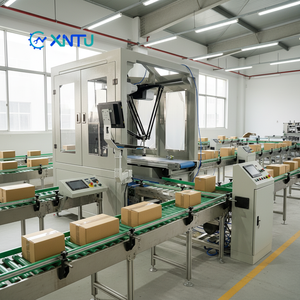
| 9. E-Commerce & Drop-Shipping 3PL | Automated pick-pack, cross-docking, and last-mile urban dispatch. | Lagos Mainland, Abuja Hub | 24–72 Hours (Last Mile) | Automated delta robotic sorters, API stock feeds, cash-on-delivery reconciliation. |
| 10. Specialized Dangerous Goods Forwarding | Chemical catalysts, industrial solvents, lithium battery consignments. | Heathrow/Tianjin to Lagos/Onne | 7–30 Days | IMO class certification, SONCAP conformity certificates, spill response protocols. |
Executing supply chains in Nigeria is not an abstract exercise; it requires tailoring logistics strategies to the exact physical geography, local infrastructure bottlenecks, and municipal realities of each commercial zone.
With the rapid expansion of the Lekki Free Trade Zone, the Dangote Refinery complex, and manufacturing hubs along the Lekki-Epe expressway, conventional delivery through Apapa is logistically unfeasible due to arterial bridge weight limits. Advanced project forwarders utilize roll-on/roll-off (RoRo) barges and flat-bed heavy haulage units directly from the Lekki Deep Sea Port or coastal lighter terminals to execute precise site deliveries without crossing central Lagos traffic corridors.
High-value tech products, smart devices, and telecommunications equipment feeding Ikeja Computer Village and Alaba International Market demand high-security transit. Forwarders operating dedicated air freight lanes via Murtala Muhammed International Airport (LOS) implement GPS-monitored armored escort vehicles, tamper-proof packaging, and direct pre-cleared green-channel sorting to eliminate transit damage and warehouse theft risks.
Exploration activities in the Niger Delta necessitate strict compliance with Nigerian Content Development and Monitoring Board (NCDMB) requirements. Shipping high-tensile drill pipes, valves, and offshore platform fabrication components demands specialized handling through the Onne Oil and Gas Free Zone, requiring comprehensive bonded warehousing, heavy-lift quayside discharge, and seamless documentation via local coastal security escorts.
The macroeconomic and infrastructure landscape in West Africa is transitioning rapidly. Forwarders and manufacturers maintaining standard operating procedures from a decade ago face escalating overheads and severe dwell-time exposure. Below are the key structural evolutions driving modern freight design.
With a 16.5-meter draught capable of handling 18,000 TEU container ships, Lekki is redirecting mainline vessels away from regional feeder hubs, drastically reducing transshipment dwell times across the Gulf of Guinea.
The Nigeria Customs Service (NCS) rollout of the modern National Single Window (NSW) and AI-assisted scanning systems is curbing physical inspection delays and standardizing tariff dispute settlements.
The standard gauge railway links connecting Apapa Port to the Dala Inland Dry Port in Kano and Kaduna are establishing reliable hinterland trade corridors, eliminating high road-haulage premiums.
Given fluctuations in Naira valuation and Central Bank foreign exchange liquidity windows, international buyers increasingly migrate to all-inclusive DDP arrangements to lock in landed unit costs.
Operating across global continents with specialized UK port-centric infrastructure and audited international partnerships, our logistics network provides full accountability. We eliminate third-party broker vulnerabilities by owning core handling stages and maintaining verifiable accreditations.
With over 30 years of end-to-end supply chain execution, we have supported enterprise accounts like BiGDUG, Toolport, and massive infrastructure initiatives such as Hinkley Point C and the Mexico City Metro rail transport projects.
Verified ISO 9001:2015 RegisteredOperating at the highest achievable unannounced audit rating under the BRCGS Storage & Distribution standard, combined with top-tier IATA cargo agent status at London Heathrow for urgent global air cargo.
BRCGS AA+ Rated Quality StorageDirect physical operational hubs located adjacent to Felixstowe, the Port of Ipswich (Westbank engineering facilities), London Heathrow, and Liverpool, giving exporters direct access to international export quays.
Full Bonded Storage SuspensionDetailed regulatory, financial, and logistical insights required before executing trade contracts for Nigerian port entry.
Form M is a mandatory statutory documentation requirement mandated by the Federal Ministry of Finance and the Central Bank of Nigeria (CBN), processed through the Nigeria Single Window for Trade. It registers the importer's intention to bring goods into the country and validates foreign exchange allocation through Authorized Dealer Banks (ADBs). The Form M number must be explicitly referenced on the Bill of Lading, Commercial Invoice, and Packing List prior to vessel departure. Shipping without a validated Form M results in direct container impoundment, severe non-compliance penalties from the Nigeria Customs Service, and denial of clearance entry.
PAAR is an electronic document issued by the Nigeria Customs Service Ruling Centre in Abuja. It replaces the old Destination Inspection system. Once the overseas supplier generates the commercial documents (Final Invoices, CCVO - Combined Certificate of Value and Origin, Packing Lists, Bill of Lading, and SONCAP Certificate), they are submitted electronically via the importer's bank. Customs verifies valuation, classification against Harmonized System (HS) codes, and origin, generating the PAAR. Clearance can only commence with an approved PAAR, making document precision upstream absolutely critical to avoiding quayside demurrage.
The Standards Organisation of Nigeria Conformity Assessment Programme (SONCAP) governs manufactured, technical, automotive, electrical, and construction commodities. It requires a two-stage verification: a Product Certificate (PC) for product design conformity, and a SONCAP Certificate (SC) issued per shipment by accredited testing agencies (e.g., SGS, Intertek, Cotecna). Conversely, NAFDAC (National Agency for Food and Drug Administration and Control) exercises strict oversight over foods, pharmaceuticals, cosmetics, medical devices, chemicals, and bottled beverages. NAFDAC requires overseas factory audits, sample lab evaluations, and rigorous product registration before an import permit is issued. The two regimes are mutually exclusive and strictly enforced.
Demurrage fees at Apapa and Tin Can accrue rapidly once the free period (typically 5 to 7 days) expires. To de-risk this, experienced exporters employ four strategies: (1) Ensure all documentation (Form M, PAAR, CCVO) is completed prior to the ship's physical arrival; (2) Request an extended 14-to-21-day container detention waiver directly from the ocean carrier at origin booking; (3) Utilize bonded barge transfer services to move containers off-dock to inland container depots (ICDs) like Lilypond, avoiding corridor truck congestion; and (4) Shift high-volume direct cargo to the Lekki Deep Sea Port, where automated gate systems guarantee rapid turnarounds.
Yes, provided it is executed through an established international forwarder with an authorized local entity or formal clearance agency agreement. Under DDP terms, the forwarder coordinates all import assessments, local customs duties, port terminal handling fees (THC), shipping line detention security deposits, and last-mile trucking to the client's warehouse gate. This provides the buyer with total price certainty in a foreign currency (USD, EUR, or GBP) while shielding them from local bureaucratic friction and unexpected quayside tariffs.
All solid wood packaging materials (pallets, dunnage, crating, wooden boxes) entering Nigeria must strictly comply with the International Standards for Phytosanitary Measures No. 15 (ISPM 15). Packaging must undergo debarking and either heat treatment (HT) to a minimum core temperature of 56°C for 30 minutes or approved dielectric heating, followed by the legible application of the IPPC certification stamp showing the country code, producer code, and treatment measure. Failure to present ISPM 15 compliance results in quarantine impoundment, mandatory re-fumigation at high commercial tariffs, or enforced re-export at the shipper's expense.
Connect directly with our senior intermodal logistics consultants to review your shipping volumes, reduce port dwell times, and structure compliant end-to-end maritime and air transit corridors.