

Precision logistics hardware, rapid parcel sorting robotics, heavy-duty road transport chains, and direct port-to-door freight forwarding engineered for high-throughput LTL operations.
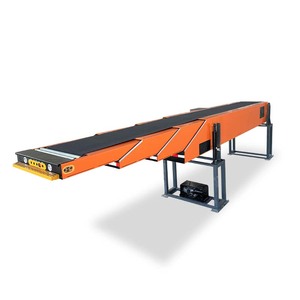
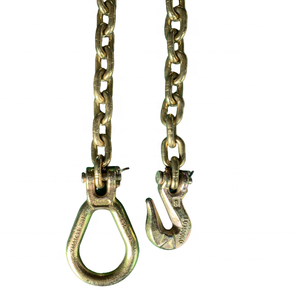

Under the transformative umbrella of Saudi Vision 2030 and the National Industrial Development and Logistics Program (NIDLP), the Kingdom of Saudi Arabia is aggressively transitioning into a paramount regional supply chain powerhouse bridging Asia, Africa, and Europe. Less Than Truckload (LTL) shipping and regional distribution—traditionally perceived as fragmented, high-loss line-haul routing—have experienced a massive operational revolution. Driven by mega-infrastructure expansions across the Riyadh Integrated Special Logistics Zone (RISLZ), King Abdullah Port, and the industrial complexes in Jubail and Yanbu, B2B procurement leaders and supply tier operators demand rigorous consolidation accuracy, low-variance transit times, and end-to-end digitised traceability.
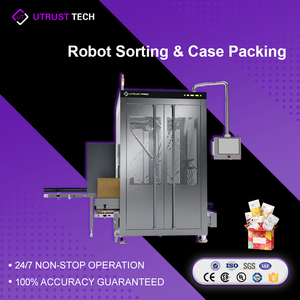
Sourcing reliable LTL infrastructure within the Kingdom requires balancing hardware endurance—such as certified AS G70 transport lashing chains, heavy-payload telescopic vehicle loaders, and automated high-speed Delta case-sorting robots—with elite international freight forwarding networks that provide duty-paid DDP clearances under unified FASAH customs declarations. When operations bridge China's manufacturing epicenters to Riyadh, Jeddah, or Dammam, achieving seamless cross-docking without cargo devanning demurrage is critical for preserving bottom-line operating margins.
Less Than Truckload (LTL) freighting inside the Gulf Cooperation Council (GCC) handles multi-client palletised or crated cargo that does not independently occupy an entire standard 40ft skeletal trailer, 13.6m curtain-sider, or 40HC ocean shipping container. In Saudi Arabia's sprawling geography—where transits between the Eastern Province petrochemical industrial plants and Western Province consumer nodes exceed 1,400 kilometres over arid terrains—effective LTL architecture depends on three critical pillars: dynamic line-haul consolidation hubbing, high-efficiency cross-dock automation, and rigid regulatory alignment (such as SASO standard compliance and ZATCA Phase 2 electronic invoicing).
The matrix below evaluates the leading manufacturers, carrier networks, and freight consolidation integrators powering Saudi Arabian industrial supply chains, contrasting core service competencies, hub infrastructure, and technological integration.
| Entity / Supplier Profile | Primary Hub Locations | Core LTL Capabilities & Hardware | Compliance & Certifications | Ideal Procurement Scope |
|---|---|---|---|---|
| Wald / Hemisphere Logistics Alliance | Riyadh, Dammam, Heathrow, Felixstowe | End-to-End DDP Sea LCL & Air LTL, Telescopic Loaders, Delta Sorting | ISO 9001:2015, BRCGS AA+, IATA Cargo, Carbon Neutral | Cross-border industrial parts, FMCG import, Bonded Devanning |
| Almajdouie Logistics Hubs | Dammam, Jubail, Yanbu | Heavy lashing, multi-trailer line-hauls, petrochemical LTL routes | SASO compliant, ISO 14001, G70 transport certified | Upstream oil & gas engineering, structural steel, polymer supplies |
| Bahri Logistics Consolidated | Jeddah Islamic Port, Riyadh Dry Port | Multimodal maritime-to-highway consolidation, bonded container freight stations | ZATCA E-cleared, AEO Tier 1, IMO Dangerous Goods | Heavy industrial components, automotive assemblies, project LTL |
| Agility GCC Network (DSV) | Sulay (Riyadh), King Abdullah Economic City | Automated racking cross-docking, temperature-controlled LTL | GDP Pharma certified, BRCGS, TAPA Class A | Temperature-sensitive healthcare, cold-chain food items, luxury retail |
| Naqel Express Industrial | Riyadh King Khalid Airport Hub, Dammam | High-speed parcel-to-pallet sorting, domestic daily inter-city LTL runs | FASAH authorized, CITC postal clearance | High-velocity e-commerce restock, critical MRO spares, electronics |
| Bolloré Logistics Middle East | Jeddah, Riyadh Industrial Gate | Global ocean LCL deconsolidation, aerospace AOG part lines | IATA Cargo, ISO 9001, OHSAS 18001 | Aviation maintenance hardware, telecom network components |
| Kuehne+Nagel Saudi Arabia | Jeddah, Dammam Logistics Hub | RoadLog LTL multi-drop network, digital track & trace portal | KN Pledge quality, ISO 27001 data security | Pharma distribution, consumer durables, modular equipment |
| DHL Global Forwarding KSA | Riyadh Special Integrated Logistics Zone | Break-bulk consolidation, bonded warehousing, green logistics fleet | GoGreen verified, TAPA, ISO 9001:2015 | Automotive components, urgent manufacturing replenishment |
| DB Schenker Middle East | Dammam Second Industrial City | Palletized freight distribution, cross-border GCC road corridors | AEO Certified, ISO 14001, EcoVadis Gold | Cross-border UAE-KSA shipments, electronics, consumer goods |
| CEVA Logistics Saudi Arabian Hub | Jeddah Industrial City 1, Riyadh | End-to-end contract logistics, inbound supplier factory consolidation | ISO 9001, SQAS Safety, BRCGS | Automotive aftermarket, industrial machinery, wholesale packaging |
Deploying Less Than Truckload consolidation equipment and logistics services within the Kingdom requires adapting to environmental extremes, sprawling distances, and strict industrial specifications. Below are primary use-case scenarios where integrated LTL supply infrastructure operates in KSA:
Processing rapid deliveries of plant valves, high-pressure fittings, and electrical actuators via G70 transport chains and specialized flatbed LTL. Consolidating multi-supplier batches ensures continuous operations without paying full charter rates for emergency line-hauls.
Deploying automated pick-and-pack Delta parallel sorting robots with telescopic belt conveyors at cross-dock hubs in Sulay. Enables 12-hour turnaround on mixed consumer palettes entering King Khalid International Airport directly into local store delivery chains.
Routing construction hardware, heavy modular assemblies, and cabling across Northwest KSA using scheduled LTL networks. Eliminates empty back-hauls while maintaining daily deliveries to remote job sites through bonded transfer terminals.
The Saudi Arabian logistics and road haulage sector is experiencing unprecedented modernization, driven by regulatory updates and deep infrastructure capital investments:
Eliminating physical paper bottlenecks through unified e-invoicing and direct digital linkage with the SABER product conformity platform. LTL consolidation suppliers with native API integration clear customs at Jeddah Islamic Port and King Abdulaziz Port Dammam in hours instead of days.
Addressing summer desert temperatures exceeding 50°C through rooftop solar generation at distribution warehouses, paired with multi-temperature refrigerated trailers. Protects high-value pharmaceutical supplies and perishable goods during cross-regional transit.
Replacing manual pallet handoffs with AI-guided Delta robots, optical weight-dimension scanners, and live satellite IoT load-cell tracking. Guarantees complete custody verification across the GCC road transit corridor.
Key regulatory, financial, and operational answers for procurement directors, operations managers, and logistics planners sourcing LTL freight services in Saudi Arabia.
The standard economic tipping point typically sits between 13 to 15 cubic metres (CBM), or when total freight weight exceeds 9,000 kilograms. Consignments beneath this threshold benefit from the shared volumetric costing of LCL/LTL. If cargo is high-density, fragile, or requires dedicated customs seals without intermediate handling, FCL or dedicated full truckload (FTL) may remain preferable even at lower cubic volumes.
Every imported product under commercial LTL consolidation must carry its own Product Certificate of Conformity (PCoC) and Shipment Certificate of Conformity (SCoC) issued via the SASO SABER platform. Tier-one freight forwarders provide HS-code pre-screening before consolidation to ensure that mixed pallet goods do not cause customs holds for the entire container at Saudi entry ports.
Bonded facilities—such as the Riyadh Special Integrated Logistics Zone or port-centric bonded warehouses in Dammam and Jeddah—allow importers to defer the standard 15% VAT and customs duties until cargo is formally cleared for local distribution. Goods destined for re-export across the GCC can transition duty-free, preserving liquidity on slow-moving inventory.
Transport of heavy equipment or dense palletised goods on national highways is regulated by the Transport General Authority (TGA). Shippers must use certified tie-downs such as AS Standard Grade 70 (G70) high-tensile lashing chains equipped with drop-forged clevis winged grab hooks, matched to the gross cargo mass to prevent shifting during high-speed desert transit.
Yes. Premium multimodal DDP programs coordinate foreign factory pickup (sea or air freight leg), customs declarations via FASAH, duty settlement, and inland long-haul transport. Local partner hubs manage final-mile delivery to remote enterprise project areas, including Tabuk, Al-Ula, and Jazan, without requiring local entity involvement from the overseas supplier.
Combining over 30 years of end-to-end logistics execution with precision terminal hardware, our platform bridges international manufacturing epicenters directly to Saudi Arabia's industrial core.
Our warehousing, customs compliance, and freight forwarding processes operate under unannounced audit certifications, guaranteeing zero handling loss, verified temperature tracking, and continuous regulatory adherence.
Strategic terminals situated at major global sea lanes and airport hubs reduce transit mileage, demurrage risks, and terminal handling charges, driving immediate landed-cost savings for cross-border LTL operations.
We achieved carbon neutrality five years ahead of national benchmarks through solar-powered warehouse networks, optimized consolidated routing, and verified carbon footprint emission reporting on every shipment.
Access our comprehensive technical specification sheets, route pricing schedules, and automated equipment engineering dossiers today.
Get Catalog